Jobs and Development Conference 2026 in Hong Kong
October 15 2026
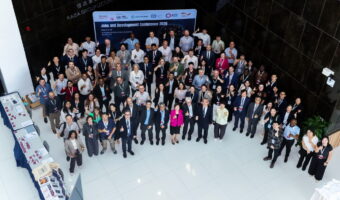
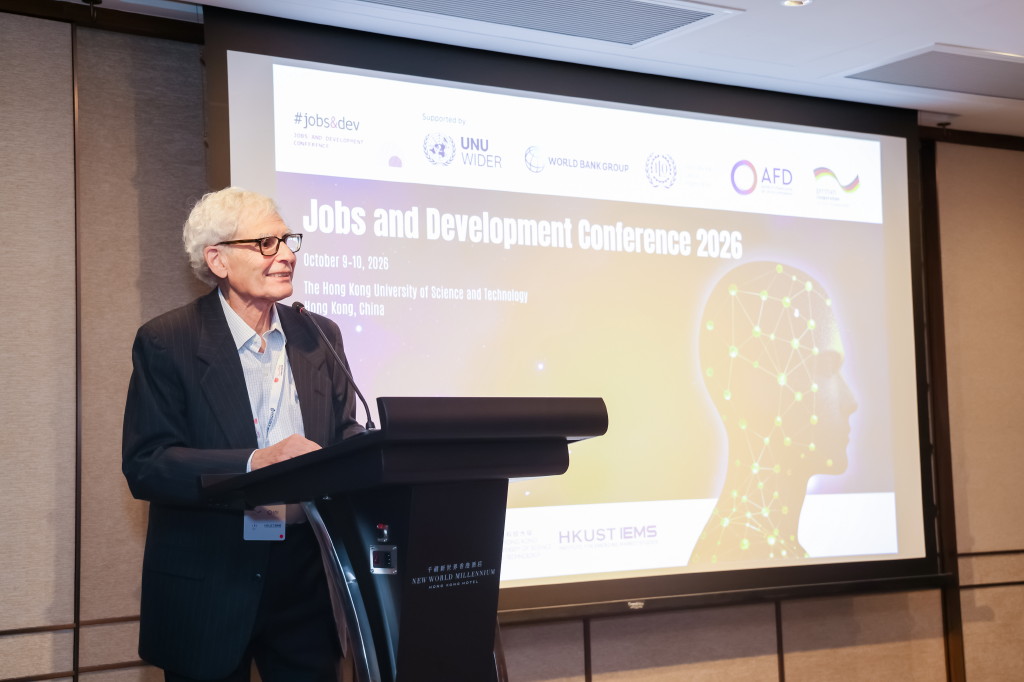
The conference was co-organised by the World Bank, UNU-WIDER, the International Labour Organization (ILO), the Development Policy Research Unit (DPRU) at the University of Cape Town, Agence Française de Développement (AFD), the Institute for Structural Research (IBS), and the HKUST Institute for Emerging Market Studies (IEMS), which served as the local host.
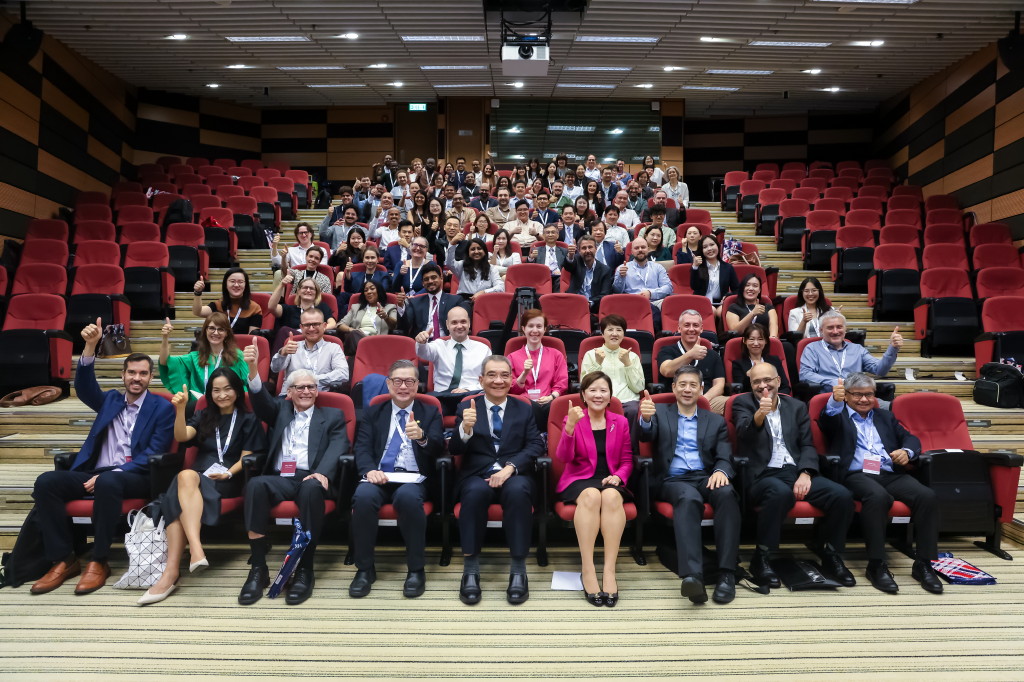
The Jobs and Development Conference is an established international forum for research on employment challenges in low- and middle-income countries. Building on a series of conferences initiated in 2006, it aims to connect rigorous empirical research with policy debates on improving the quantity and quality of jobs. The 2026 edition featured approximately 60 research presentations, two keynote lectures, a policy panel and thematic sessions organised by the partner institutions.
Two keynote lectures addressed fundamental questions about structural transformation and employment.
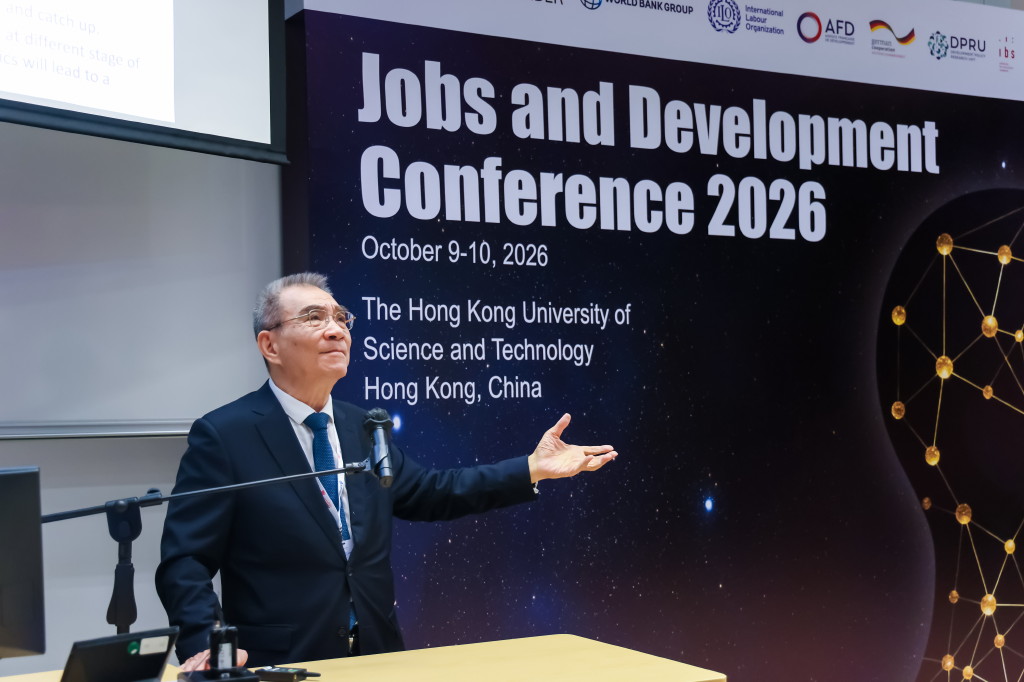
Justin Yifu Lin (Peking University), former Chief Economist of the World Bank, discussed industrialisation, decent jobs and the UN Sustainable Development Goals from the perspective of New Structural Economics. Uta Schönberg (University of Hong Kong) examined structural transformation and displacement effects in manufacturing.
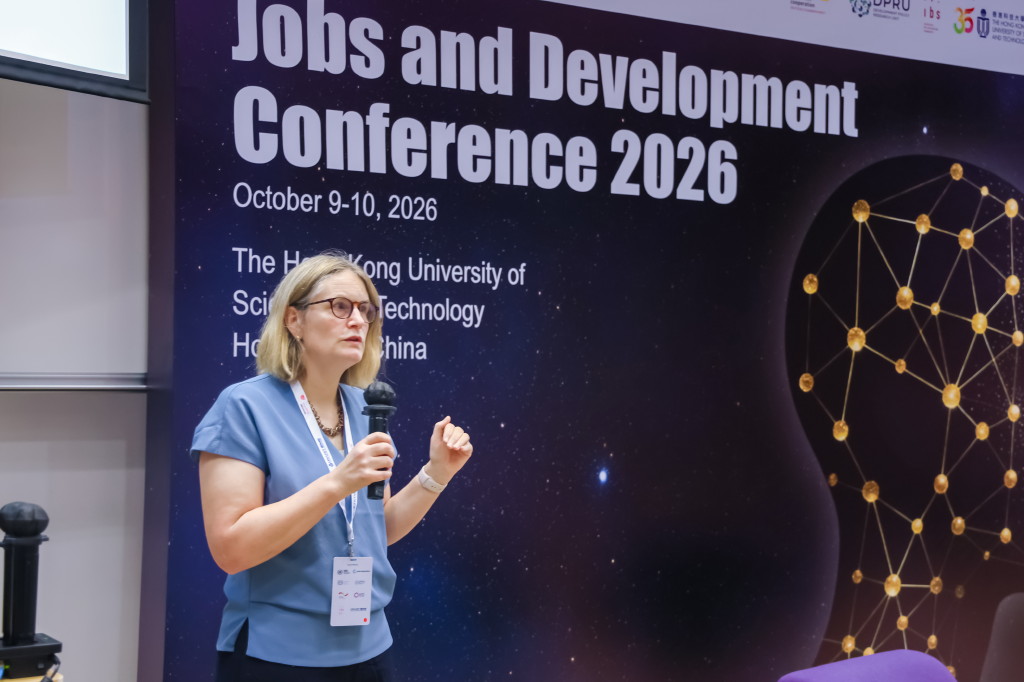
Both lectures placed labour market outcomes at the centre of debates on economic development and structural change.
The research programme covered a wide spectrum of topics in labour and development economics. Several sessions examined artificial intelligence, automation, digital technologies and structural transformation, including their implications for productivity, job tasks and employment. Other papers addressed education, skills and vocational training; gender inequalities and female labour force participation; migration and demographic change; informality and job quality; and the effects of labour market policies, taxation and social protection. Climate change, environmental shocks and energy transition constituted another important research theme. The programme combined microeconometric evidence, experimental studies and structural approaches, with research covering countries across Asia, Africa, Latin America and the Middle East. Presenters represented universities, research institutes, development banks and international organisations from across the world, facilitating exchanges between researchers working in different institutional and development contexts.
IBS contributed to the conference as a co-organiser and through its scientific programme. Piotr Lewandowski, President of IBS, served on the conference Steering Committee and chaired Uta Schönberg’s keynote session and two parallel research sessions, covering long-run labour market developments and the implications of technological and structural change.
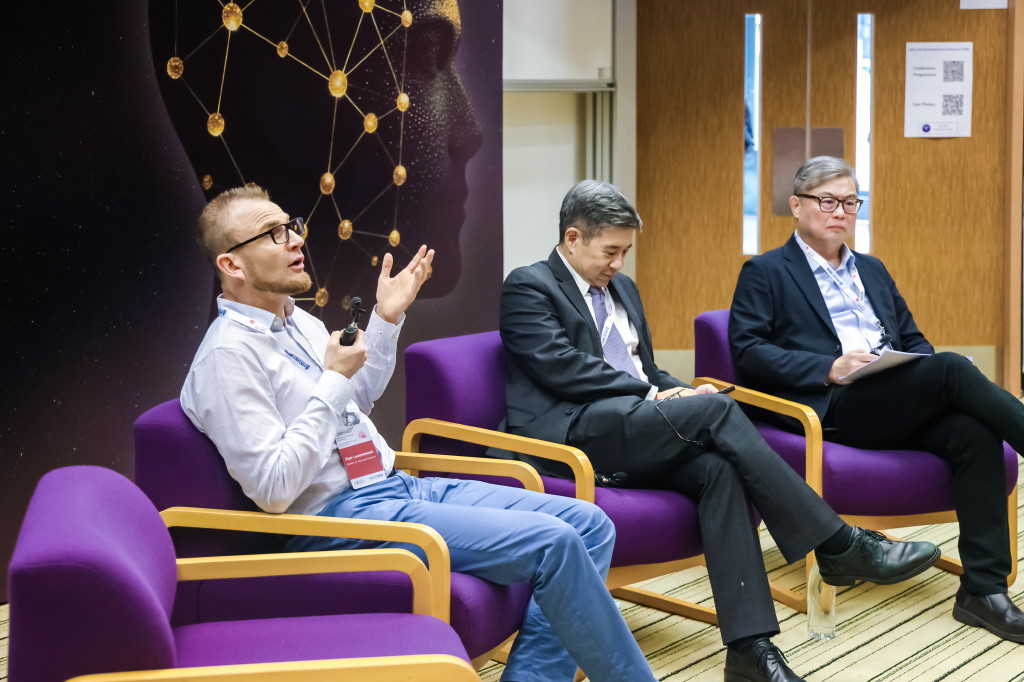
A particular contribution was the joint special session organised by IBS and HKUST IEMS, entitled “Understanding AI exposure, job tasks, and skill use across the development spectrum”. Chaired by Verónica Escudero (ILO), the session brought together three complementary perspectives on AI and work.
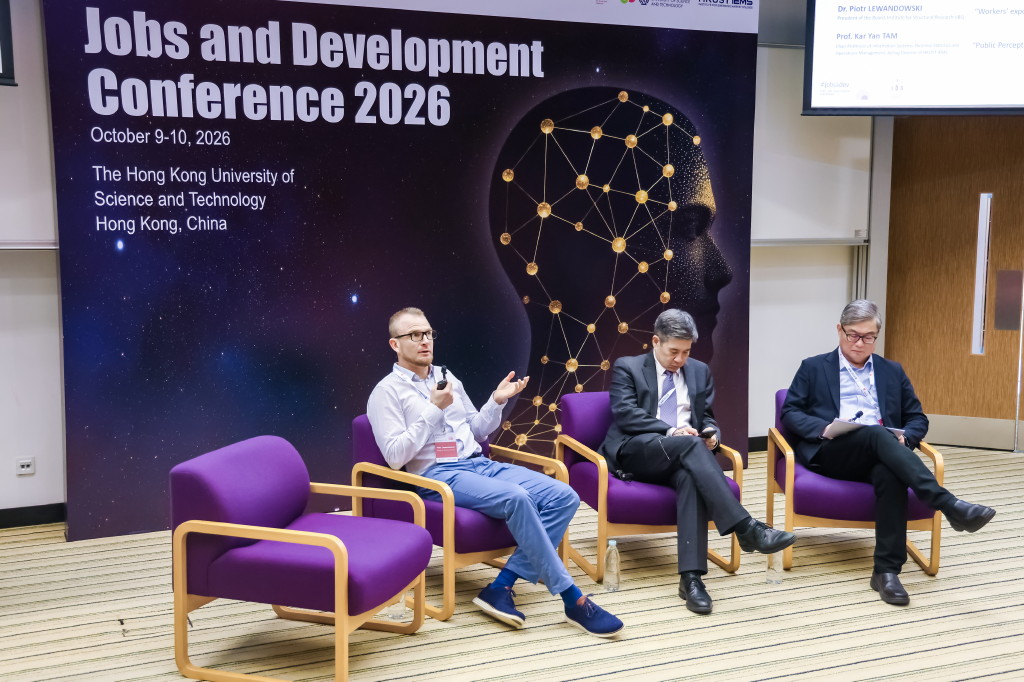
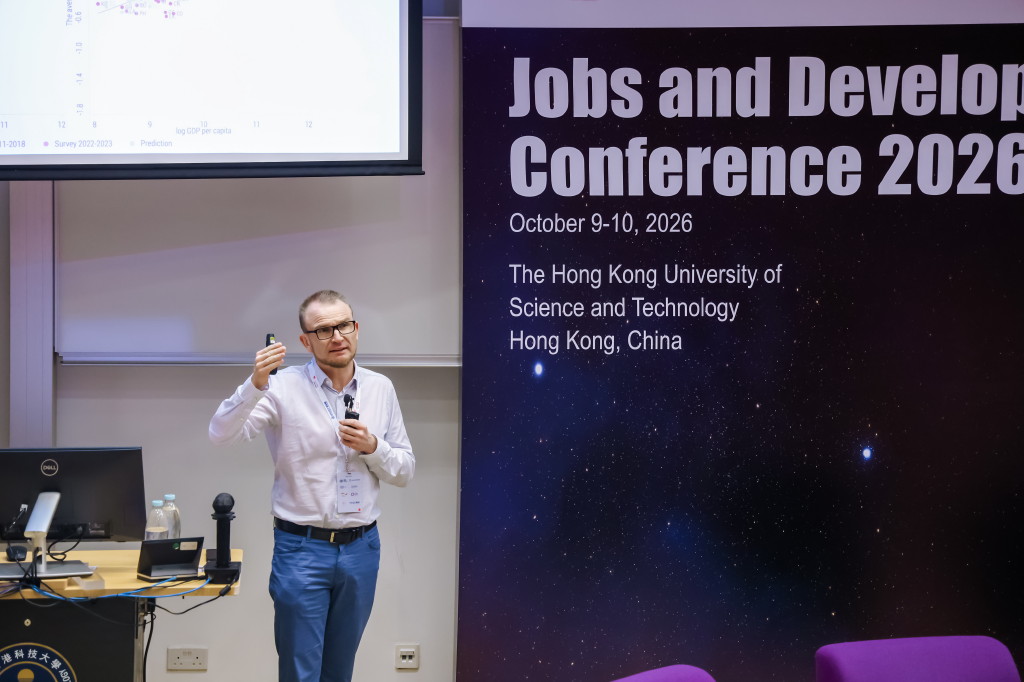
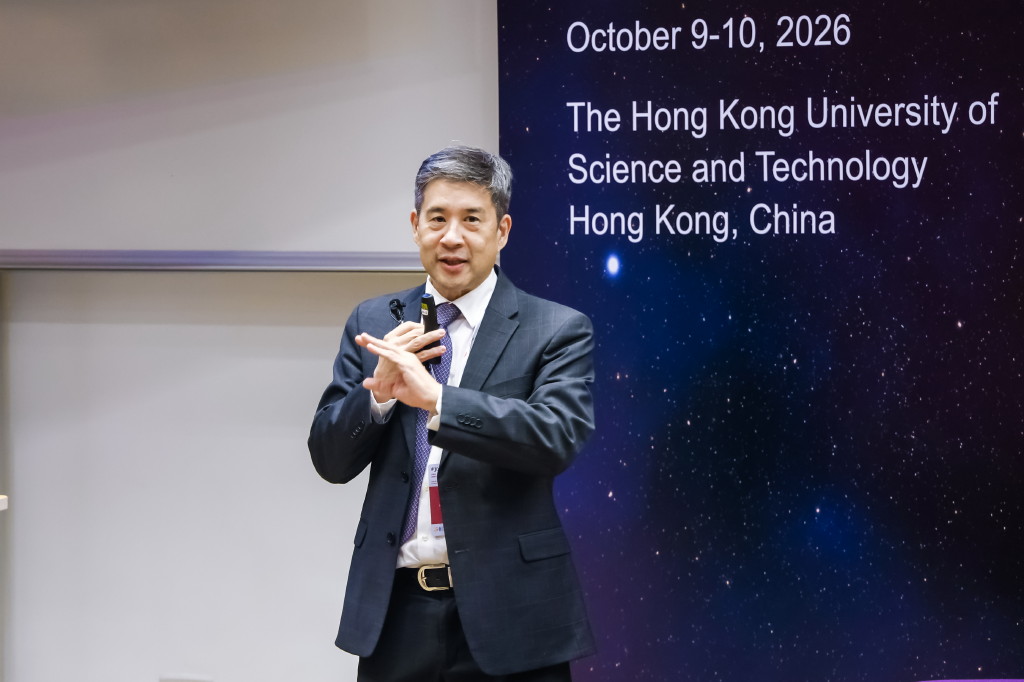
Piotr Lewandowski presented IBS research on workers’ exposure to AI across development stages, highlighting the importance of country-specific task content and technology use for understanding cross-country differences in AI exposure. Albert Park (Asian Development Bank) presented evidence on workers’ AI exposure in the Philippines based on jobs and skills surveys. Kar Yan Tam (HKUST IEMS) discussed public perceptions of AI’s impact on work in Hong Kong. Together, the presentations connected the measurement of technological exposure with differences in actual job tasks and public expectations about AI-driven labour market change.
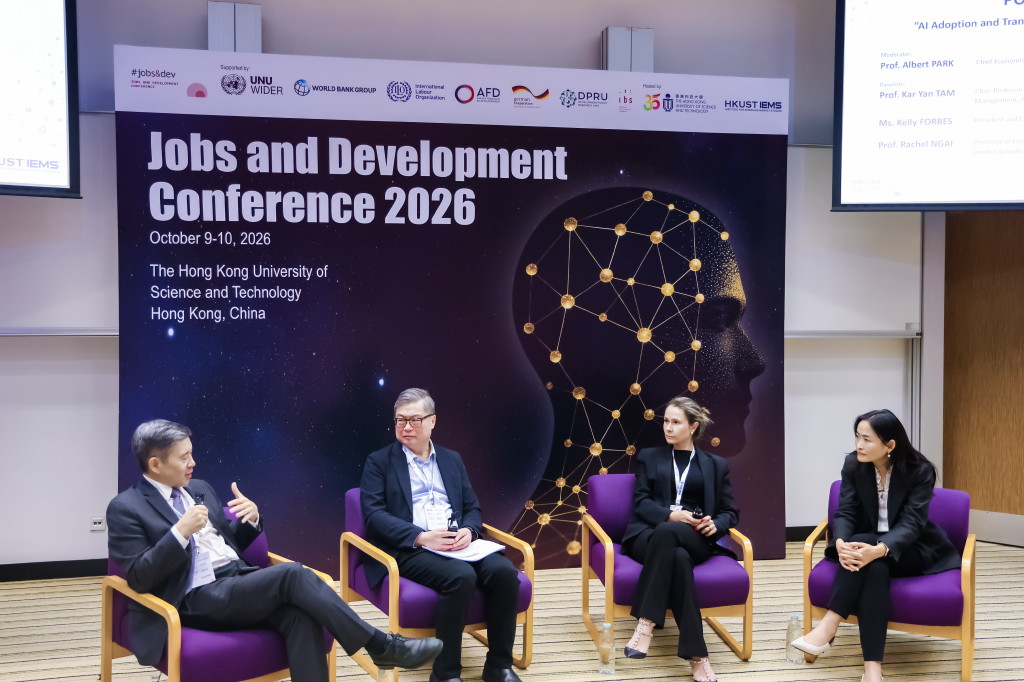
The conference also featured a policy panel on AI adoption and the transformation of work in Asia-Pacific, moderated by Albert Park (ADB) with contributions from Kar Yan Tam (HKUST), Kelly Forbes (AI Asia Pacific Institute) and Rachel Ngai (London School of Economics). Special sessions organized by the partner institutions addressed lifelong learning, social assistance, discrimination, the application of research to policy and environmental risks.