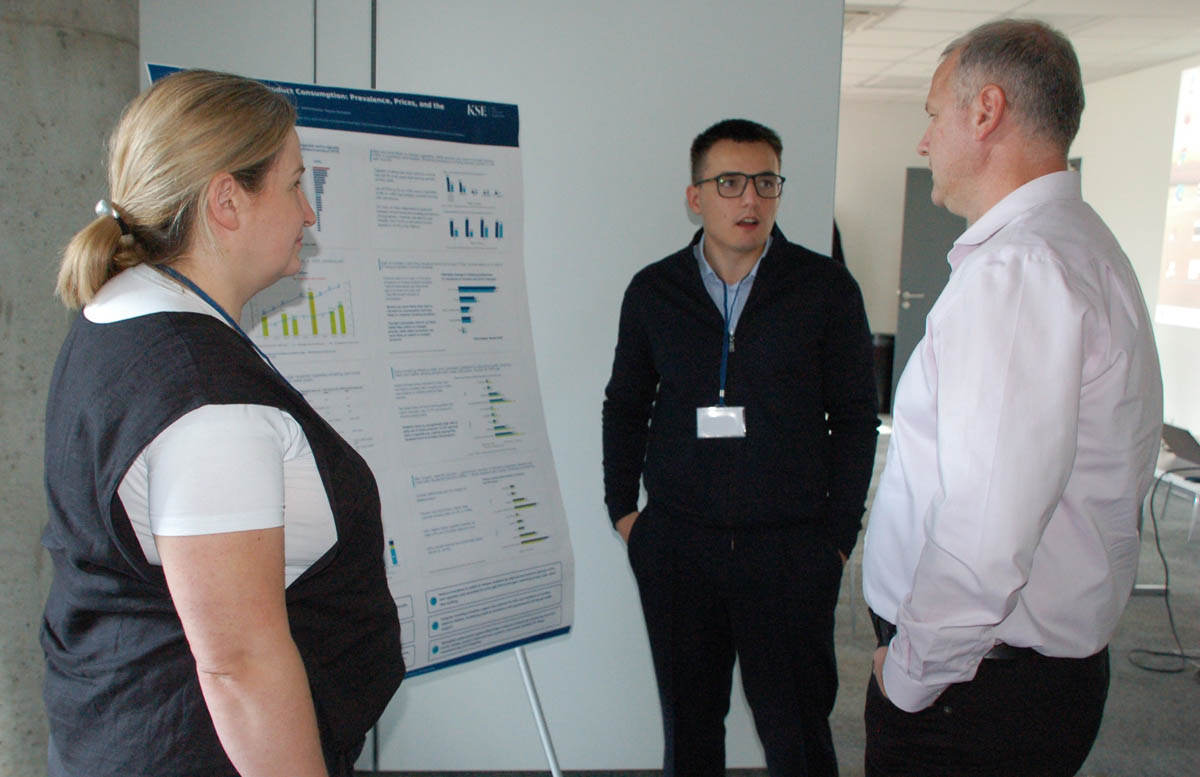
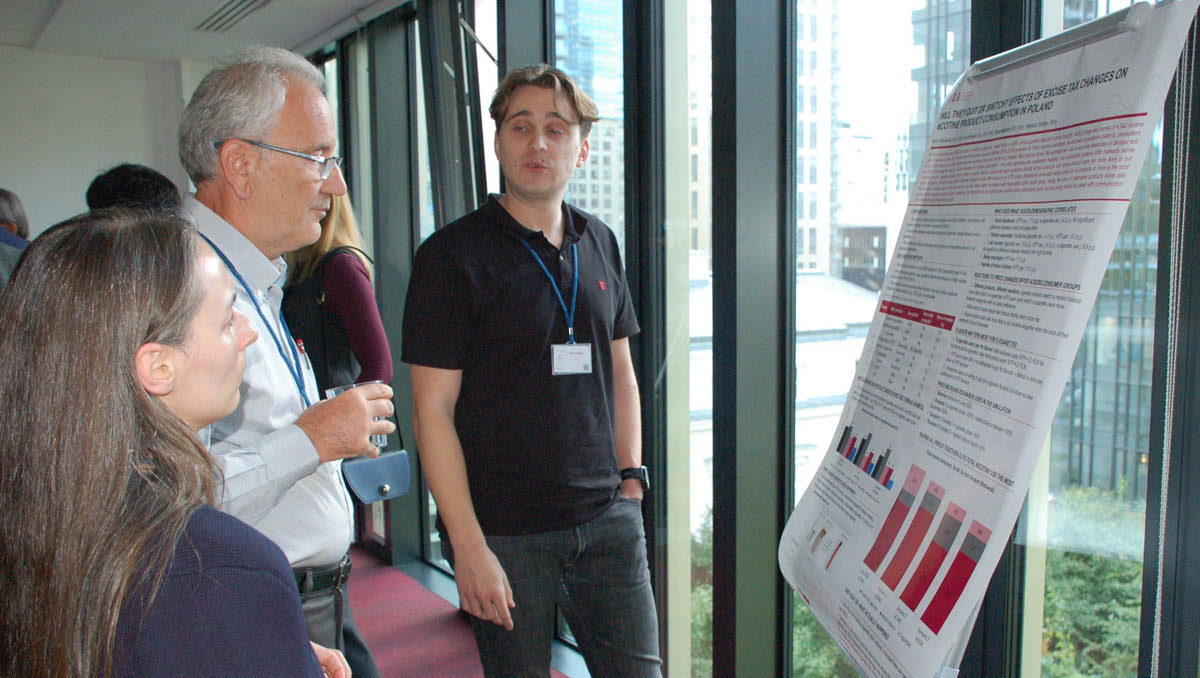
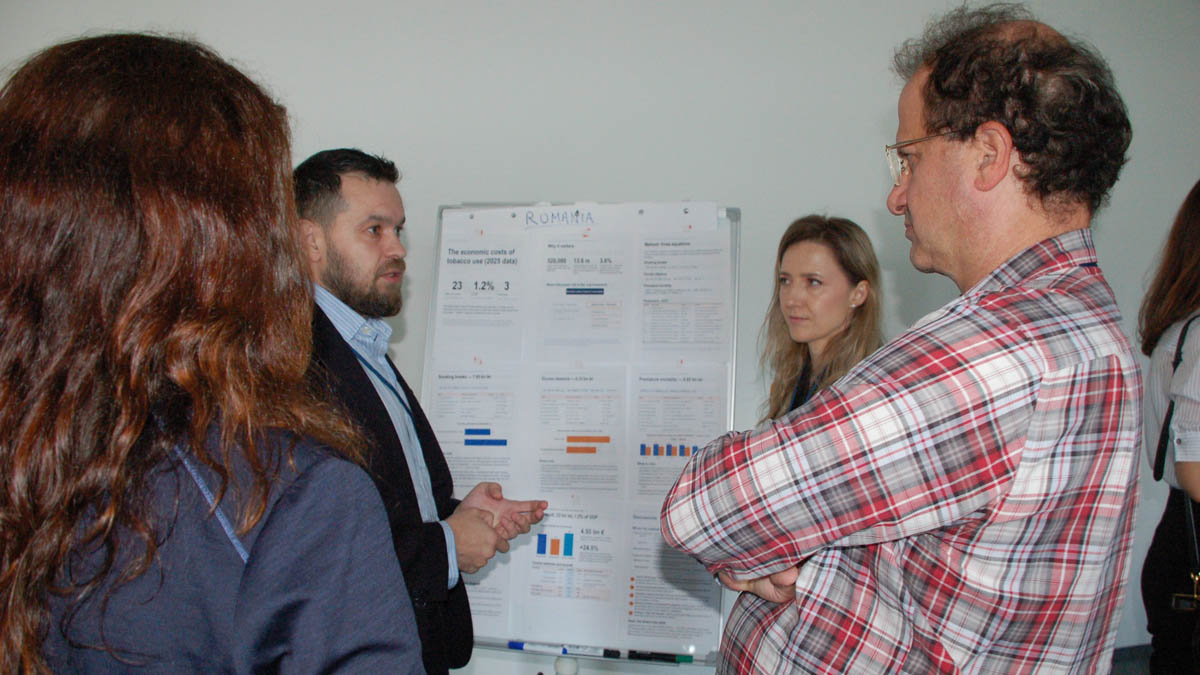
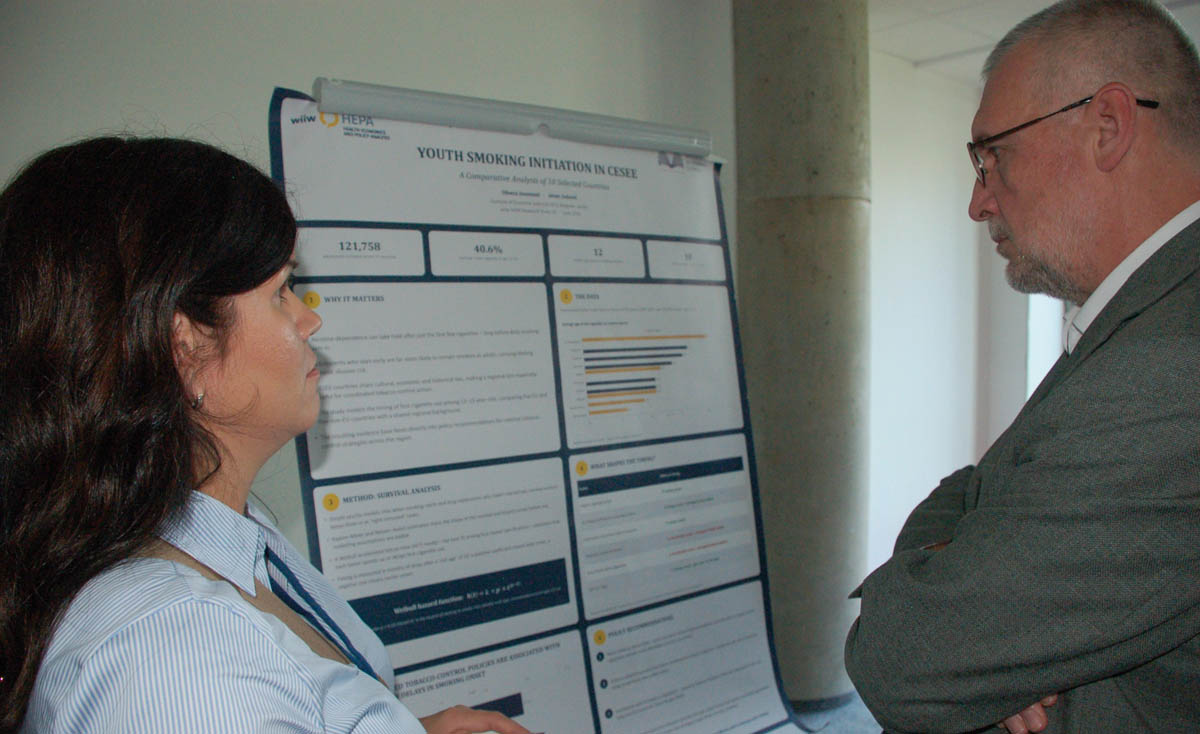
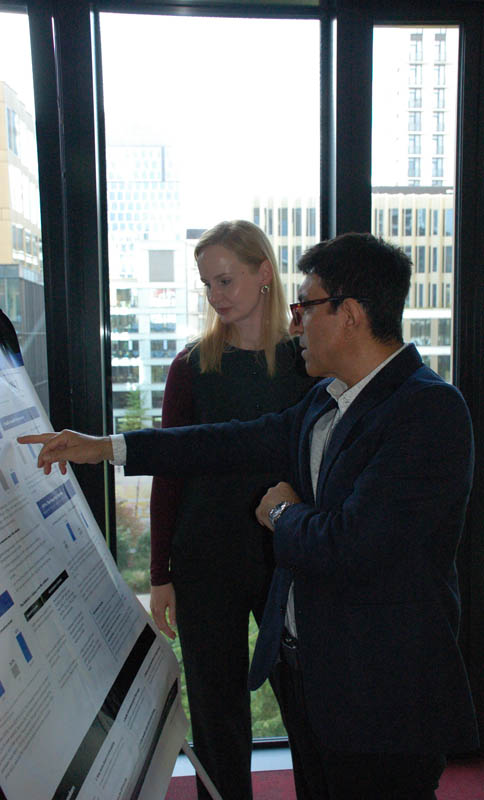
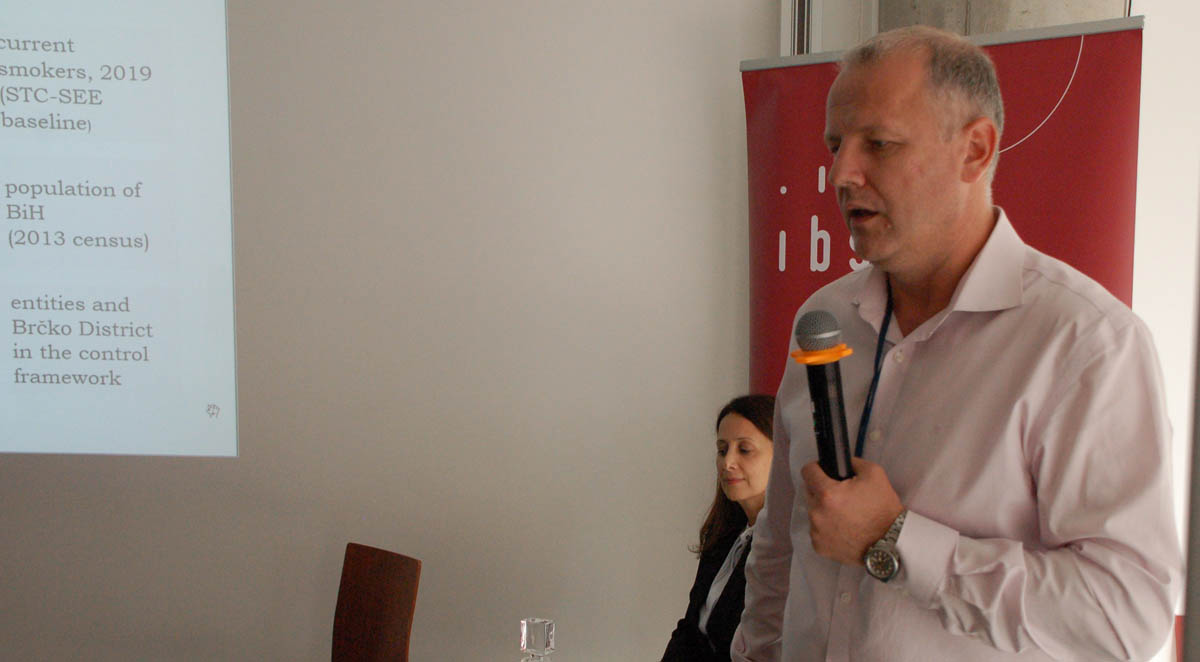
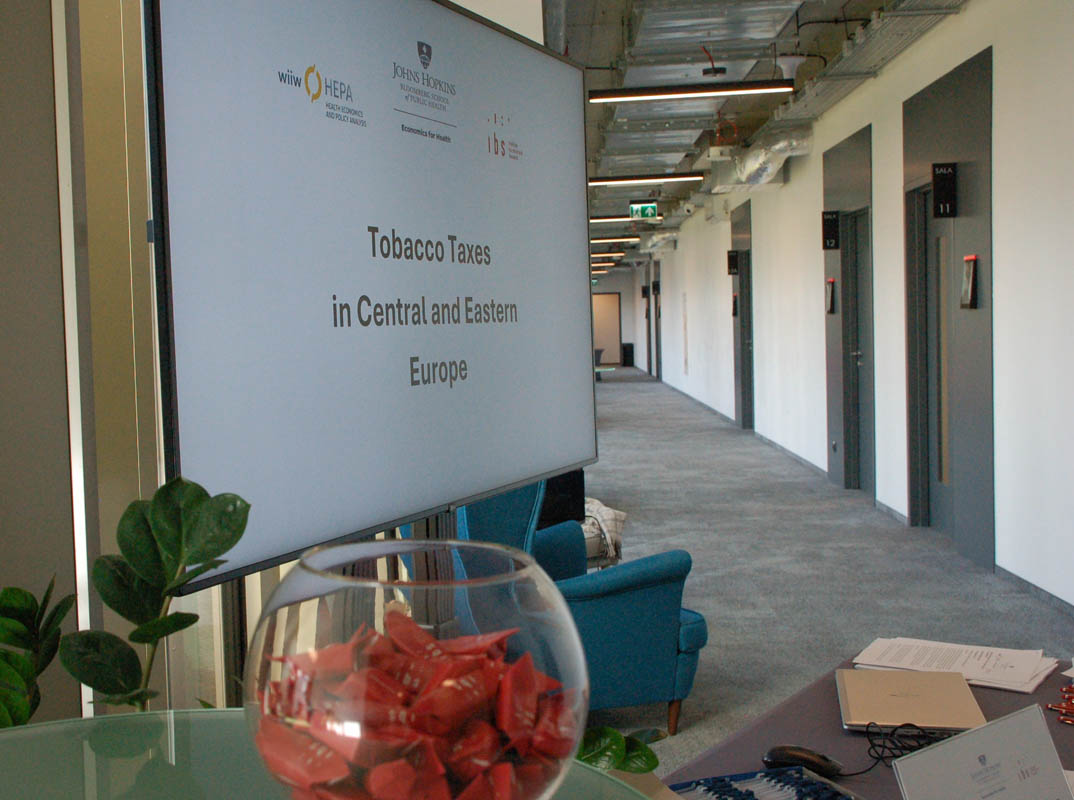
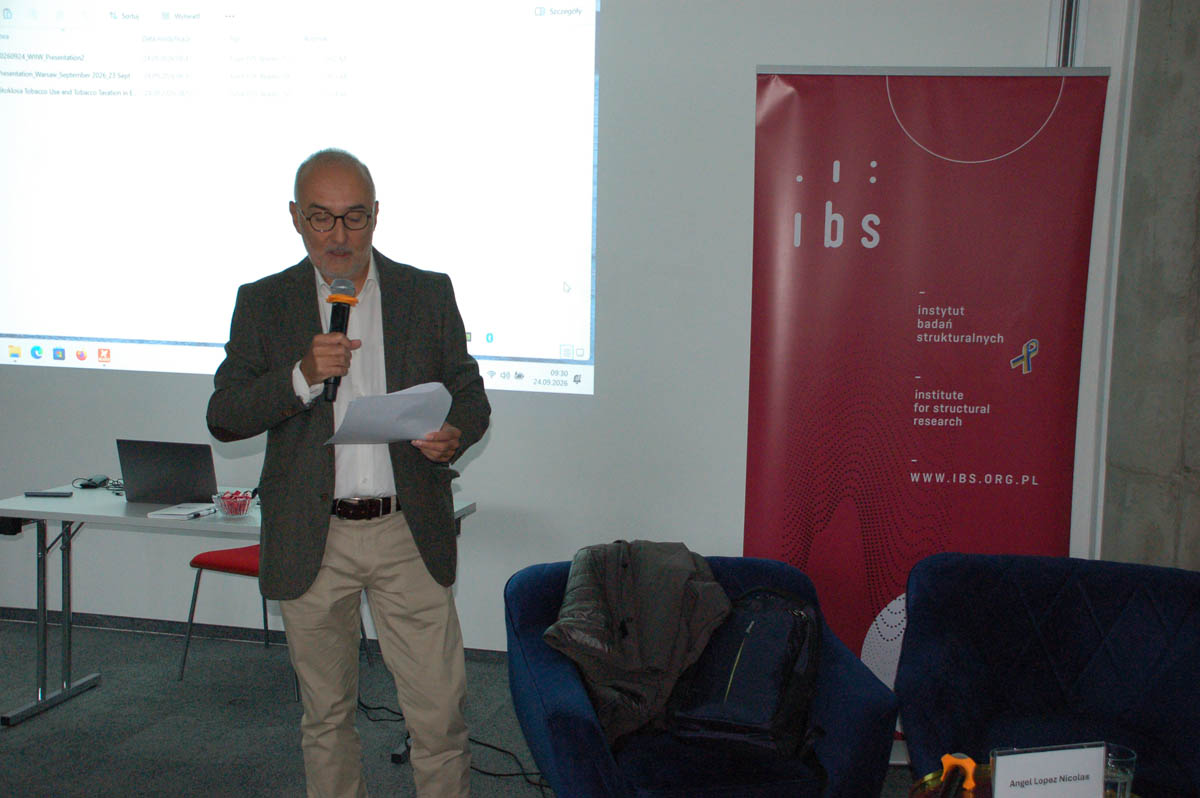
Tobacco taxation in Central and Eastern Europe – a report on the conference organized by the IBS.
October 1 2026
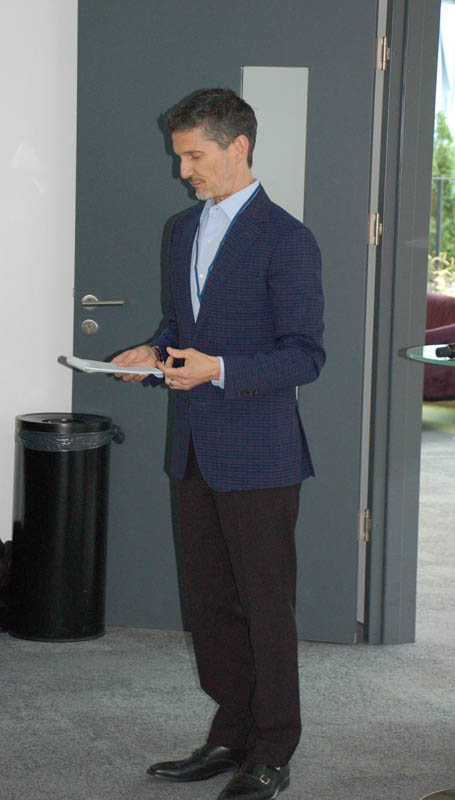
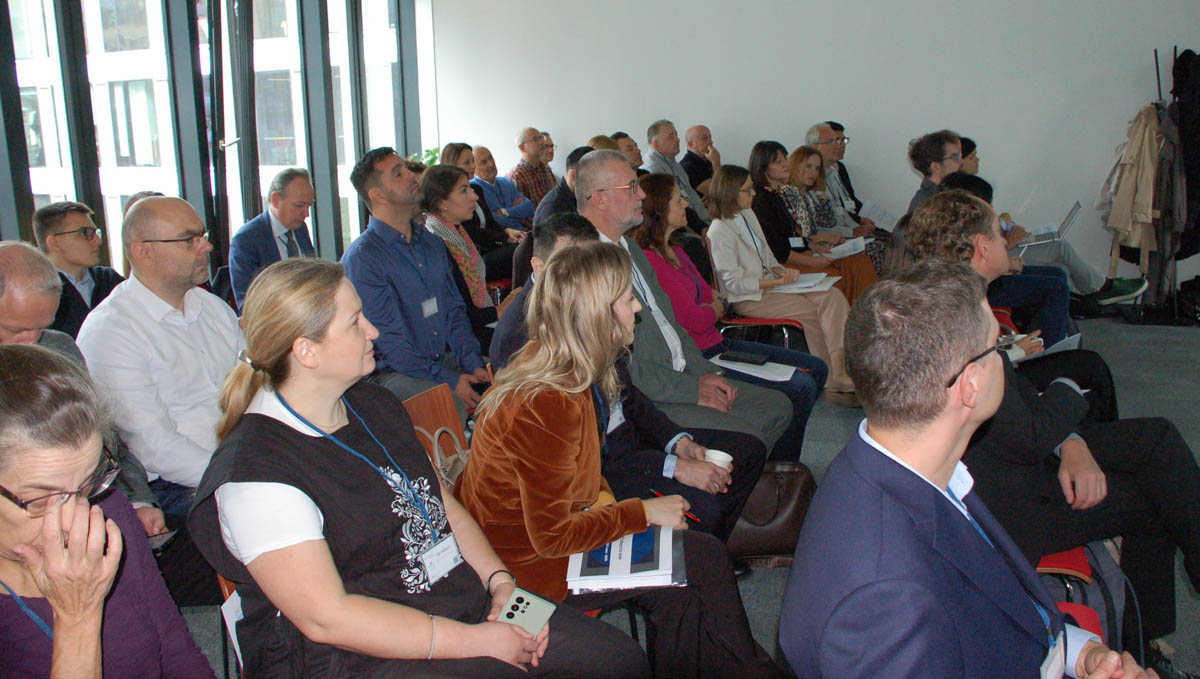
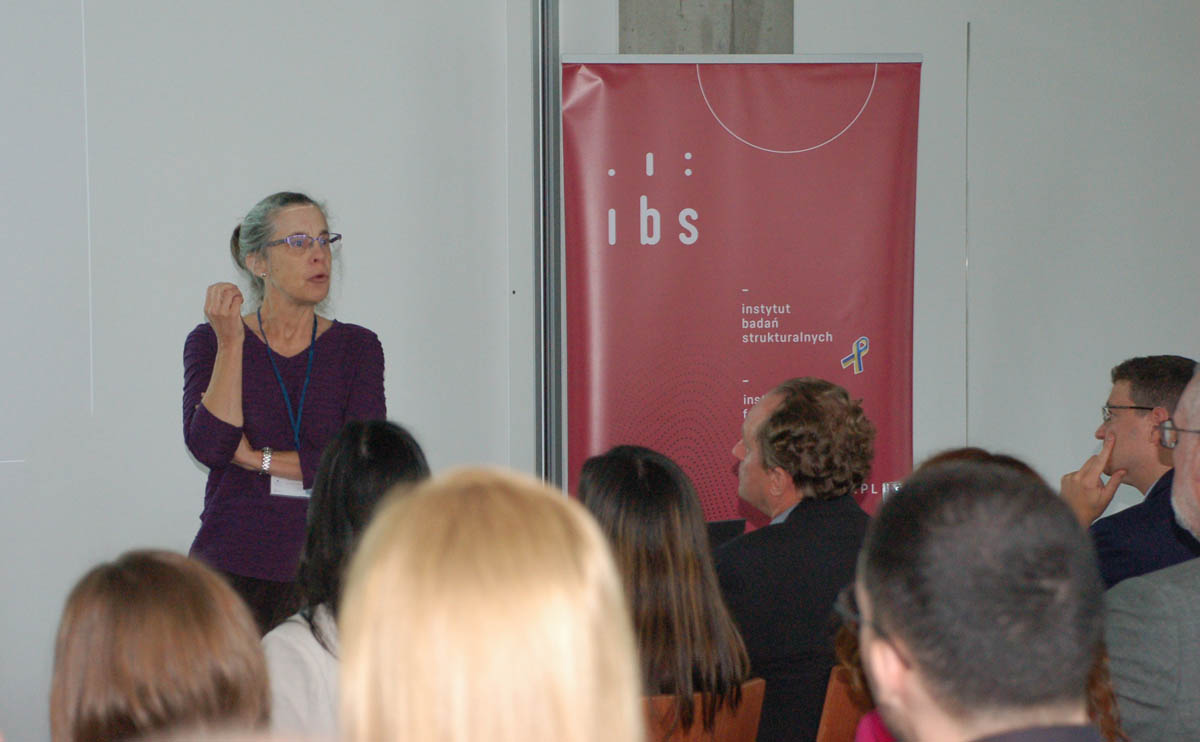
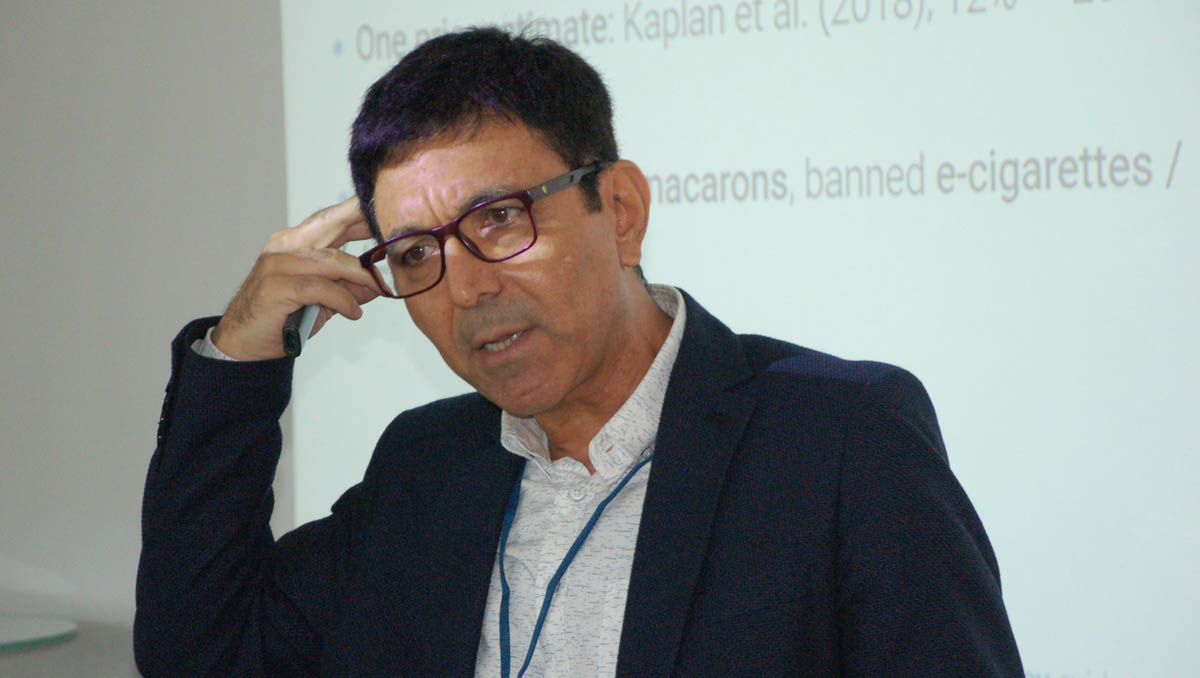
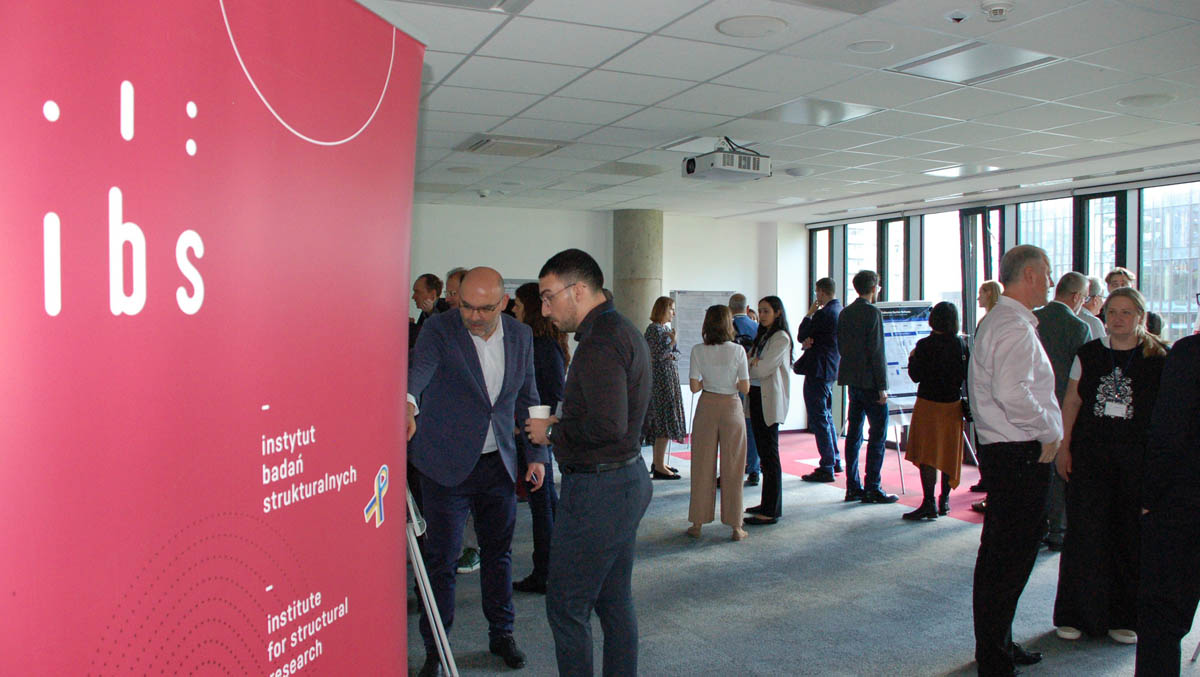
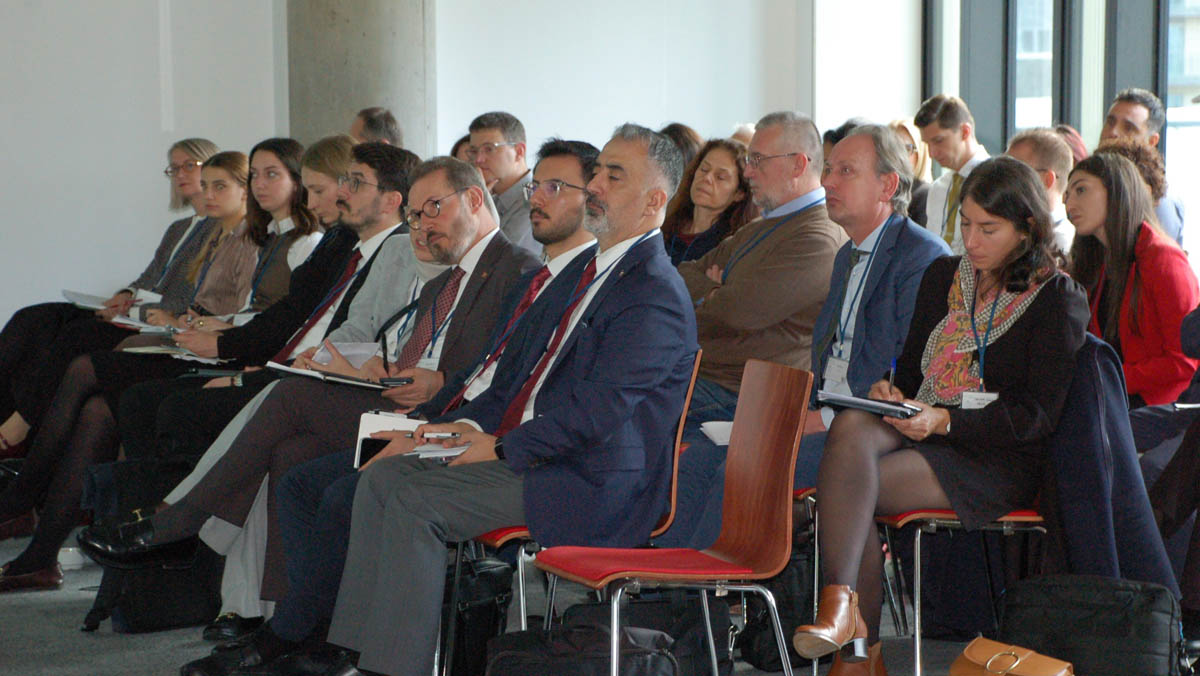
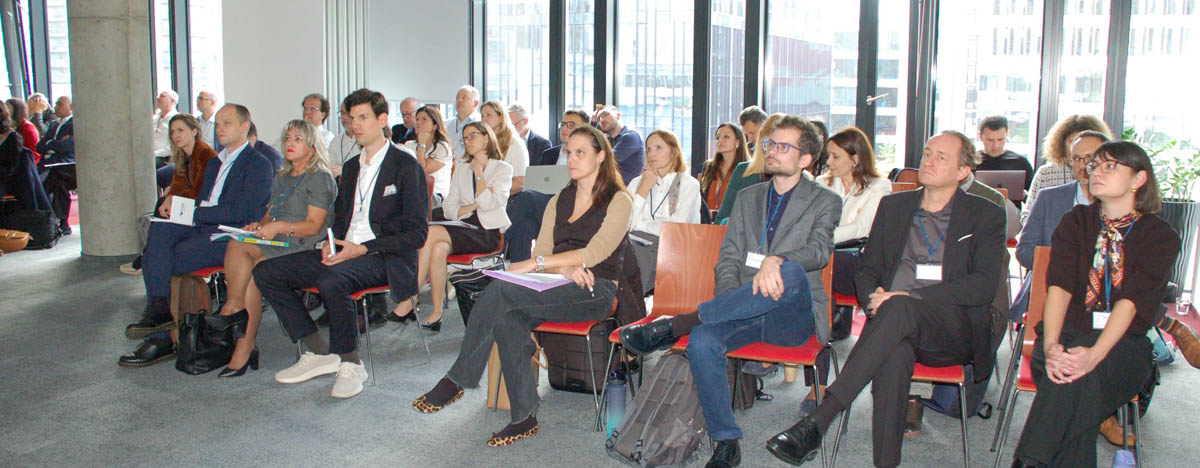
The event dedicated to the taxation of tobacco products took place in Warsaw, and was organised by the Institute for Structural Research (IBS) in collaboration with the Vienna Institute for International Economic Studies (wiiw) and the Economics for Health team at the Johns Hopkins Bloomberg School of Public Health. These institutions provide a platform for collaboration among researchers from Central, Eastern, and South-Eastern Europe, facilitating the exchange of experiences and the presentation of research findings on tobacco taxation and its application in public policy. This year’s meeting in Warsaw was the latest installment of this initiative.
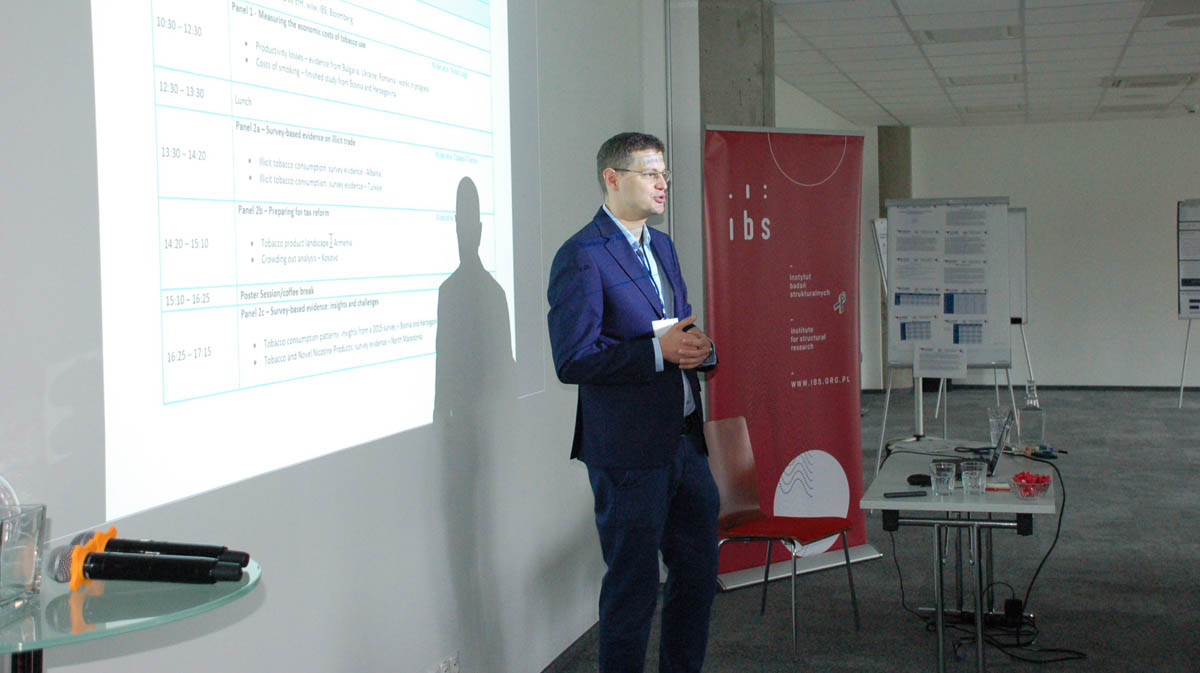
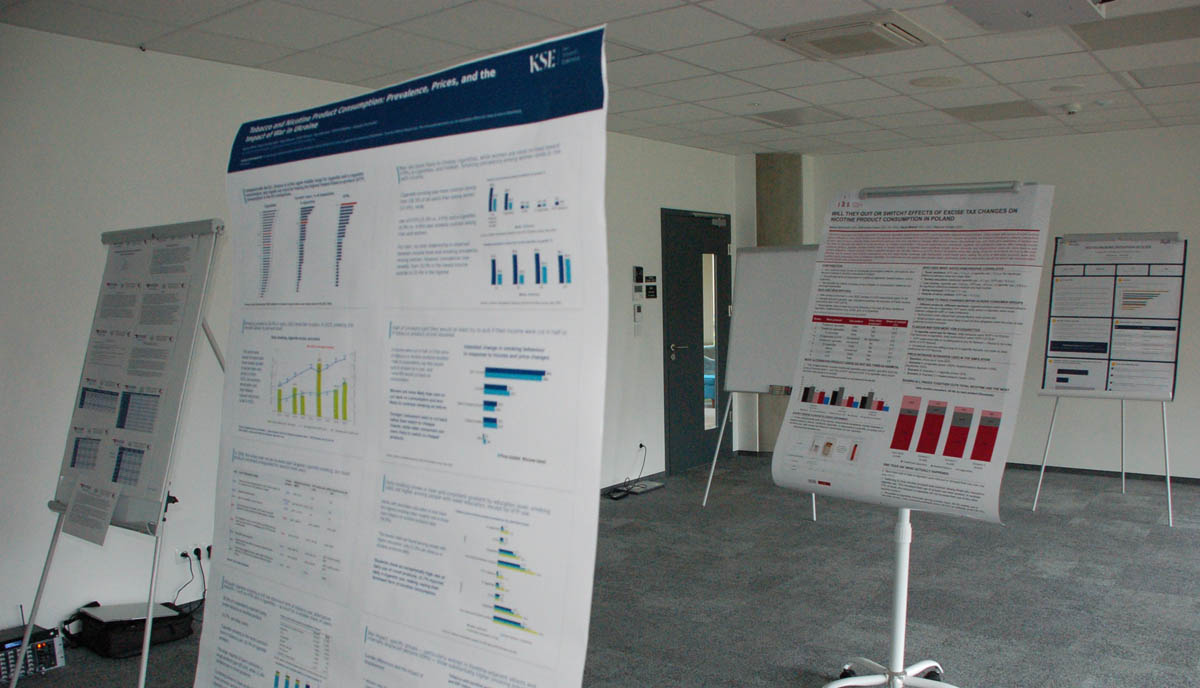
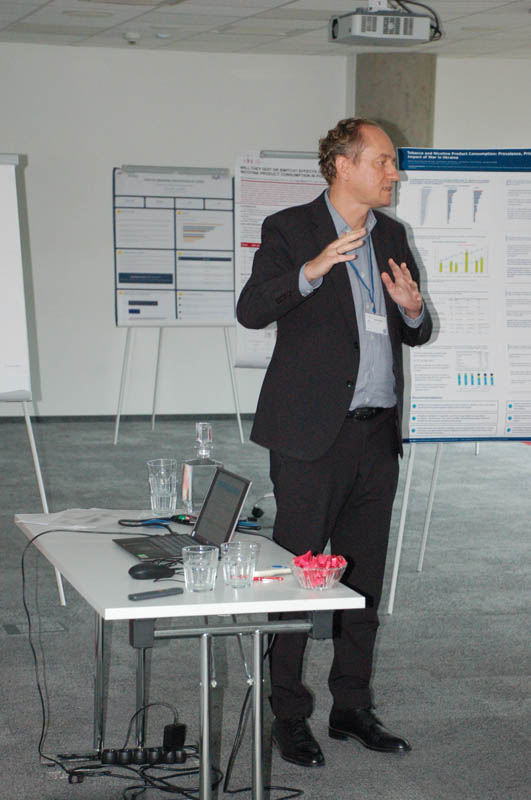
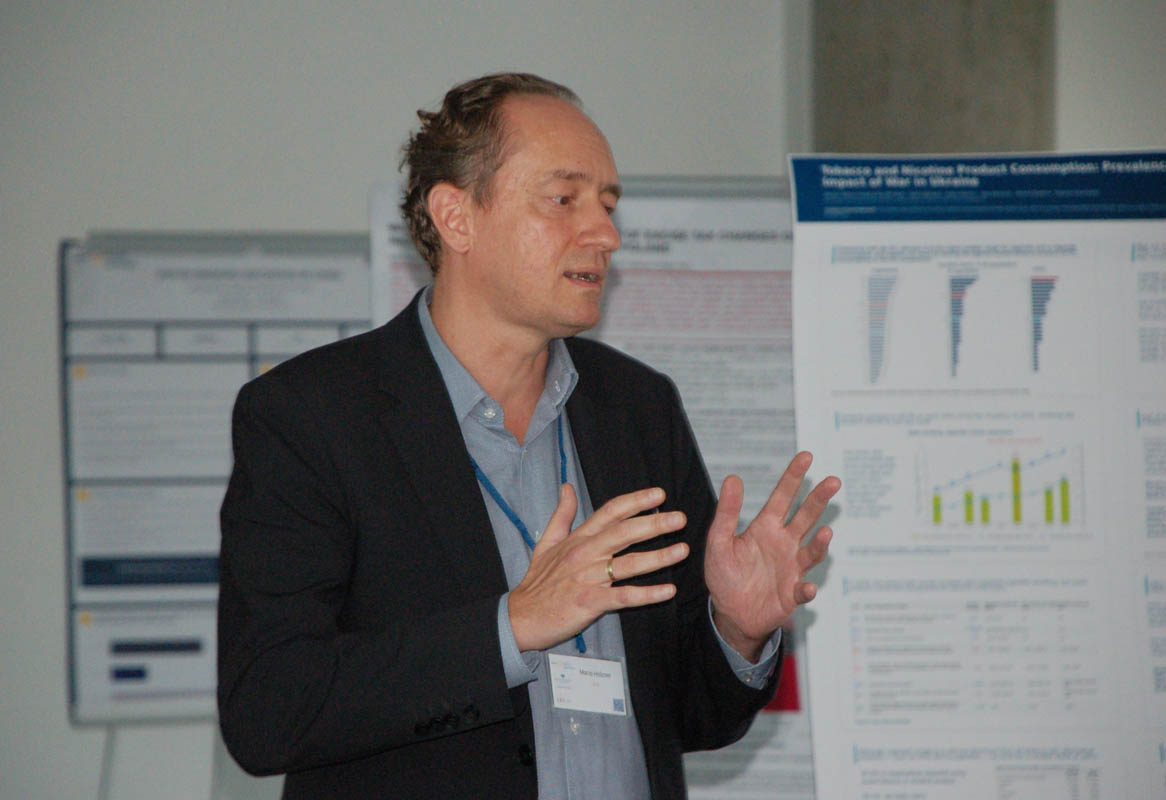
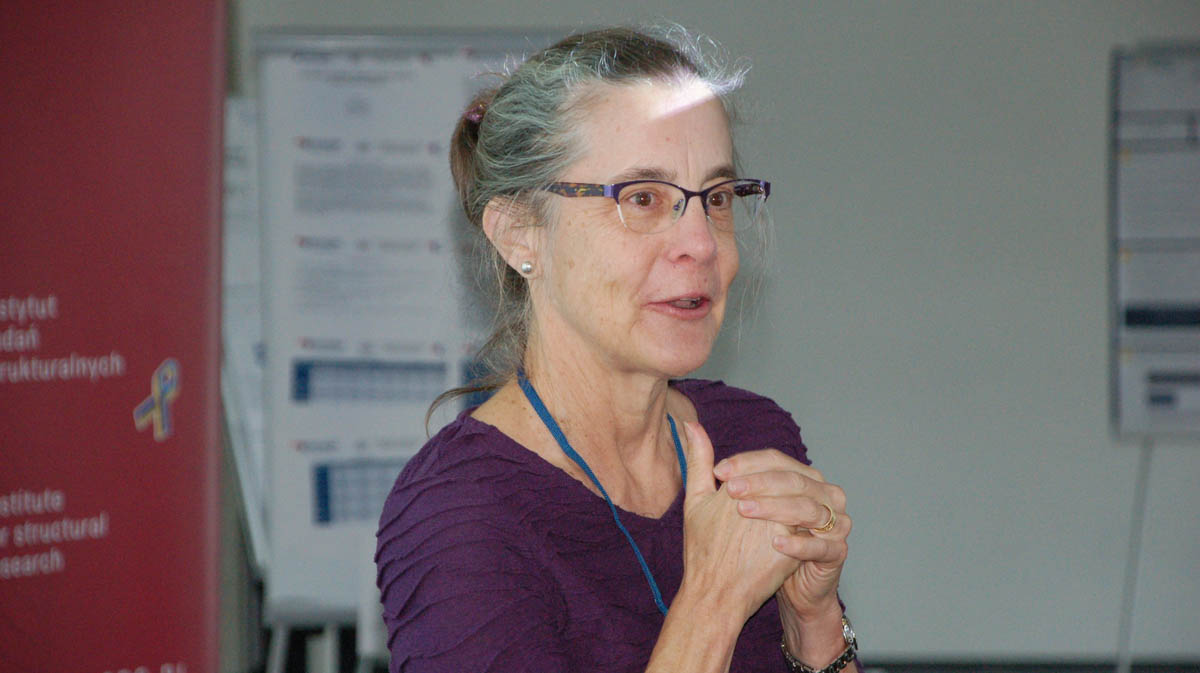
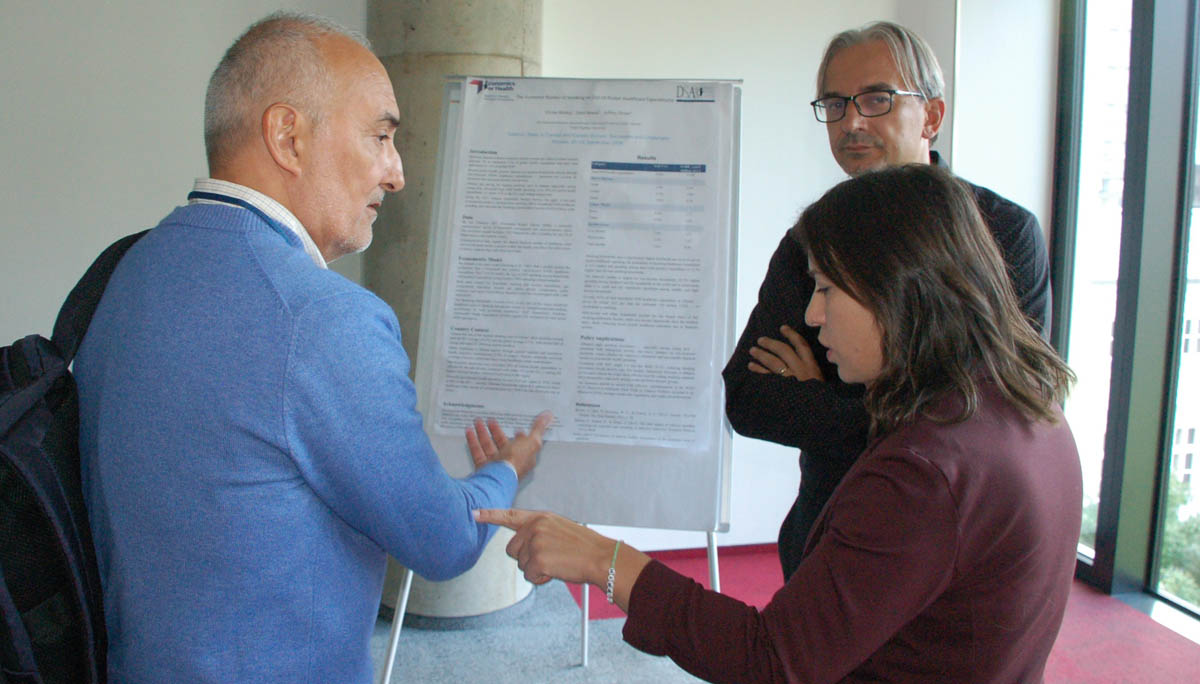
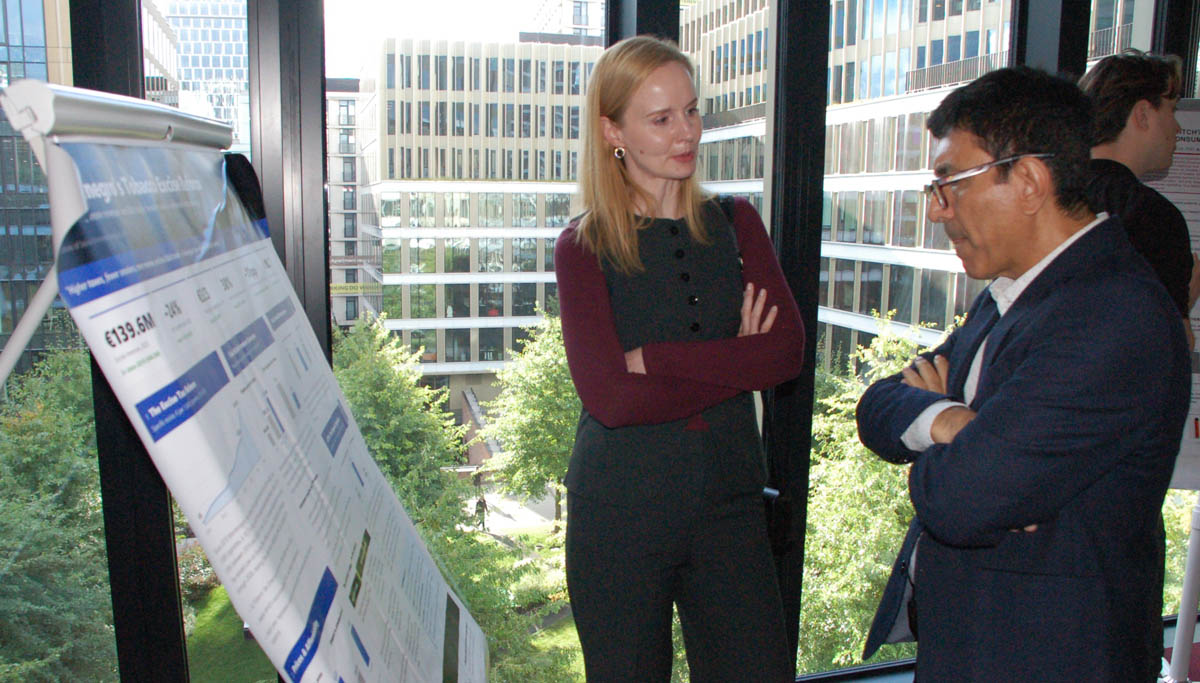
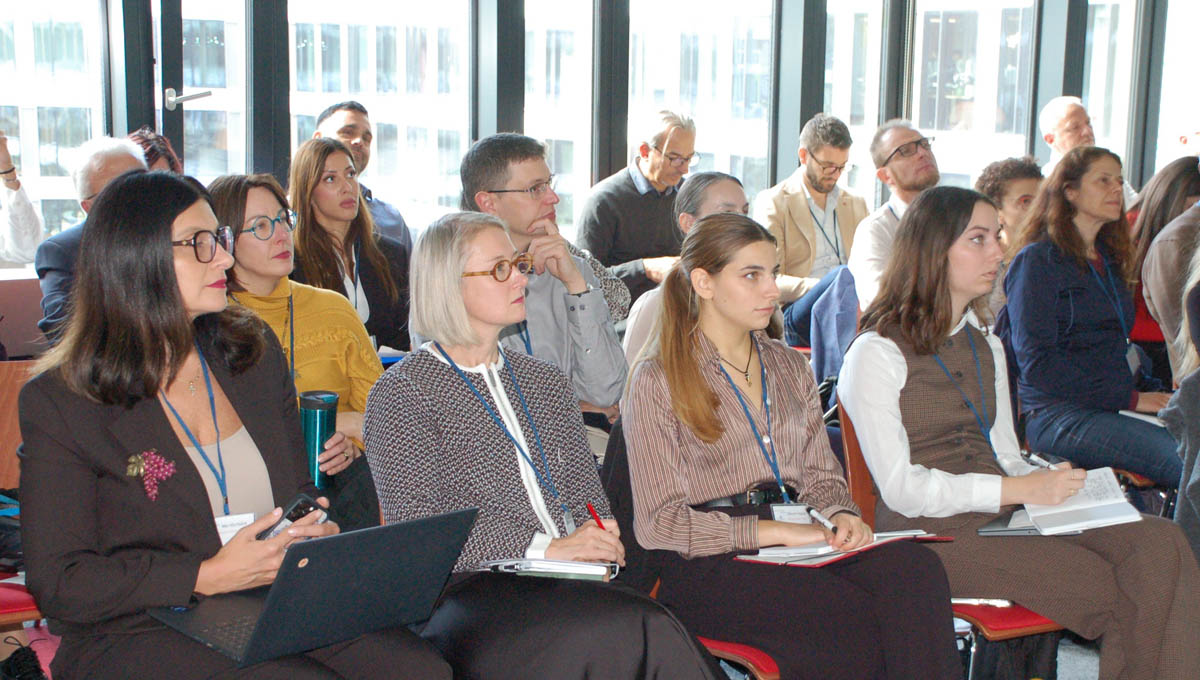
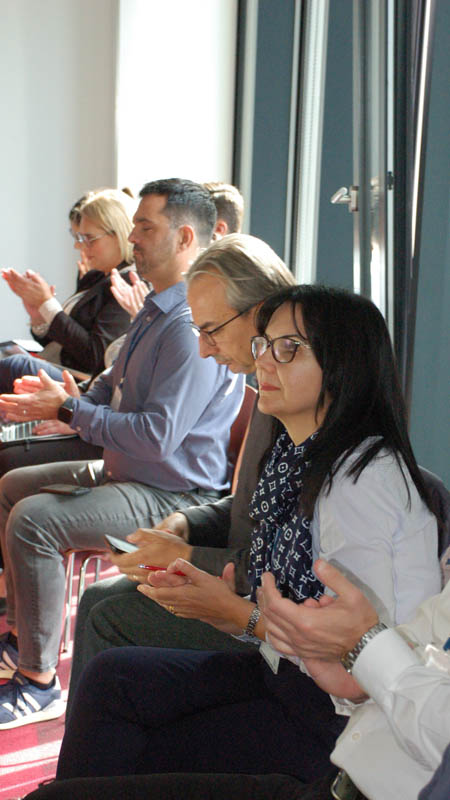
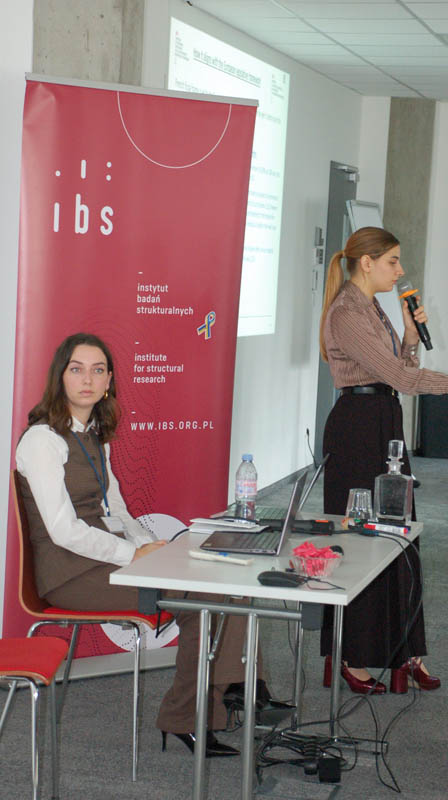
During the conference, 30 papers (including 8 posters) were presented, and two panel debates were held. The papers covered topics such as estimating the social costs of cigarette smoking, measuring the grey market in tobacco products, and the impact of excise duty increases on household consumption.
The first day and the morning of the second day were held as closed workshops for the research teams involved in the collaboration. The research component provided an opportunity to compare countries’ experiences in the region and discuss the challenges of researching tobacco consumption and taxation.
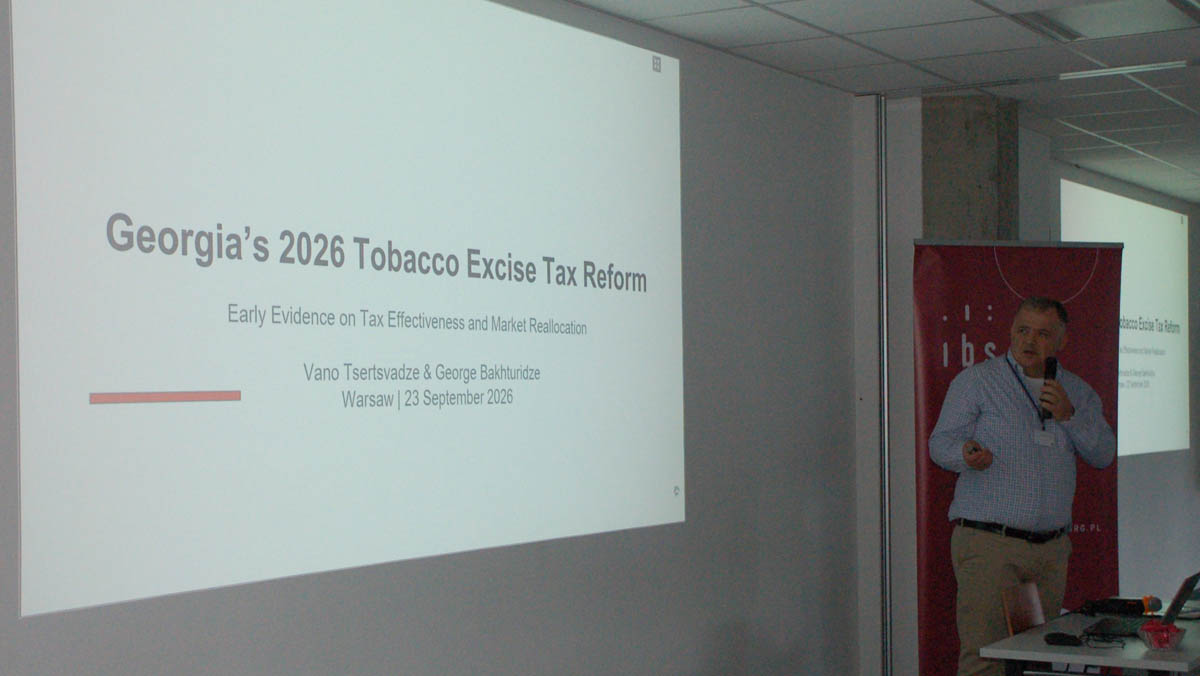
Researchers from Bulgaria, Ukraine, Romania, and Bosnia and Herzegovina presented analyses of the economic costs of tobacco use, covering both healthcare costs and losses resulting from reduced productivity and premature death. Teams from Albania and Turkey discussed the specific nature of illicit tobacco consumption and methods for measuring this phenomenon. Presentations from Armenia and Kosovo focused, respectively, on the determinants of tobacco tax reforms and on the crowding out of other household expenditure by tobacco expenditure.
Consumption patterns in Bosnia and Herzegovina and North Macedonia were also presented, including the use of new nicotine products. On the second day, the discussion focused on the economic and fiscal impacts of tax reforms, drawing on the experiences of Serbia, Georgia, and Ukraine, and on the importance of indexing excise duty rates in the context of inflation.
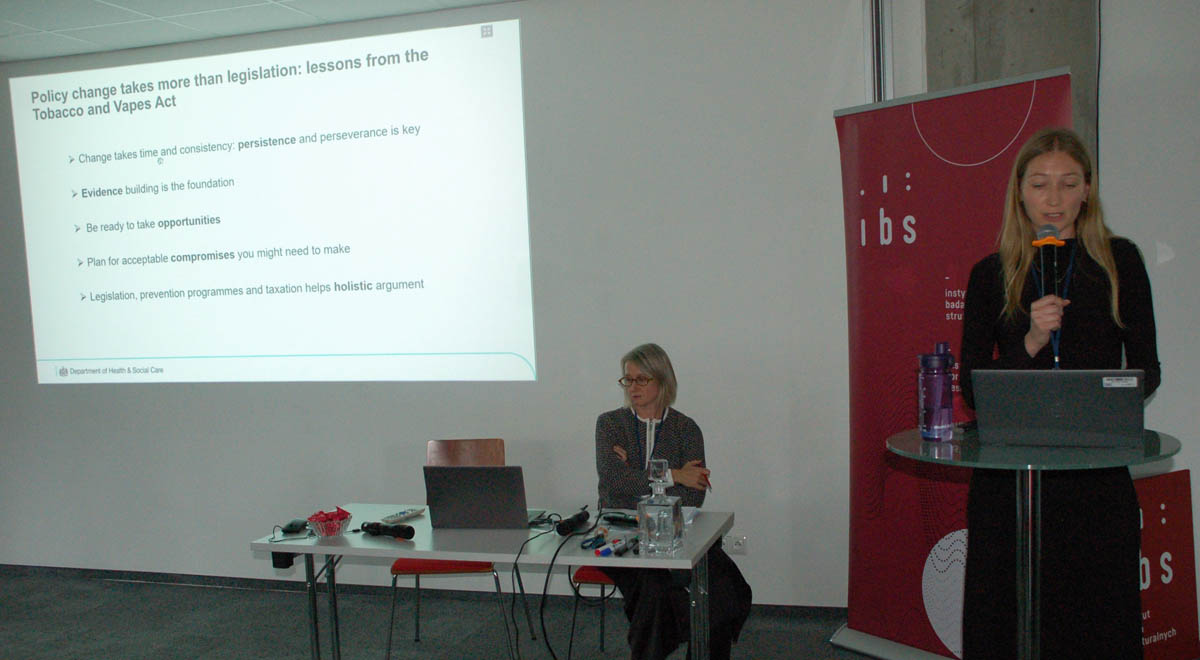
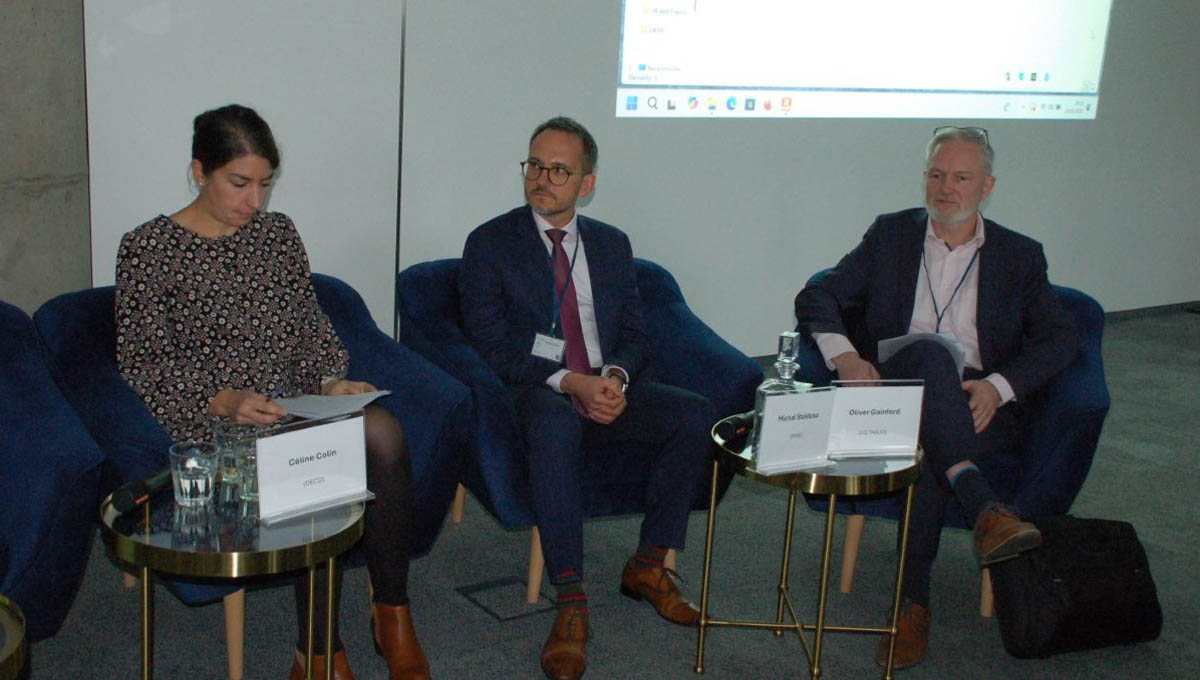
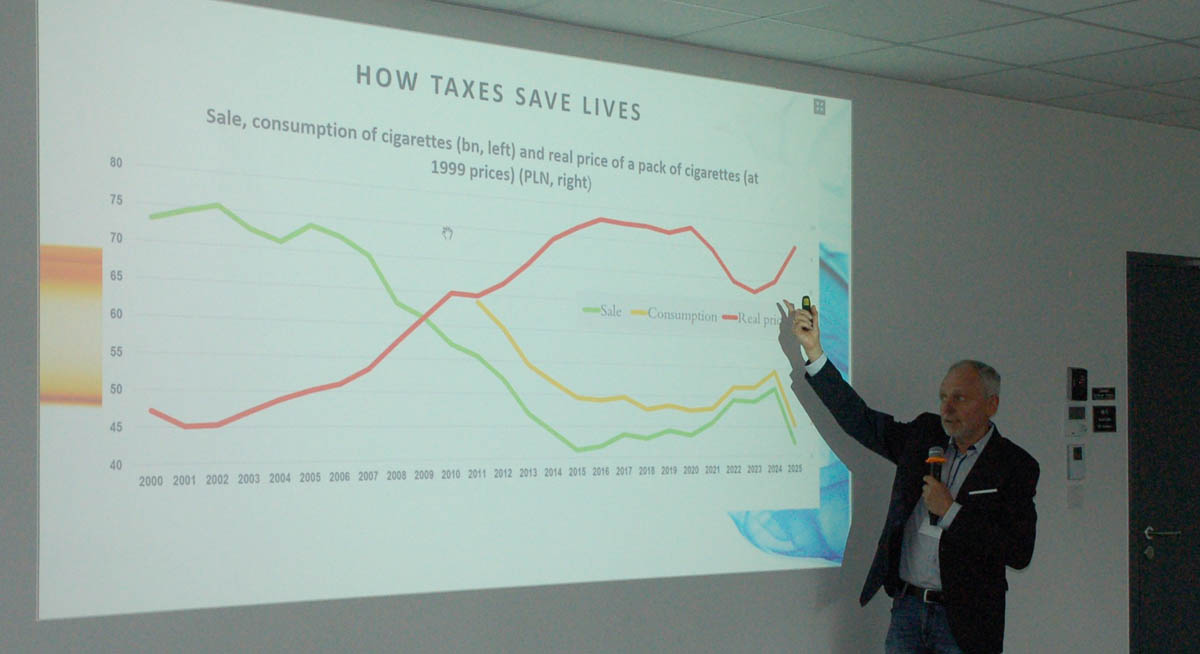
The open session began with a special session devoted to the experiences of the United Kingdom and France – countries that have successfully reduced cigarette consumption through high excise duty rates.
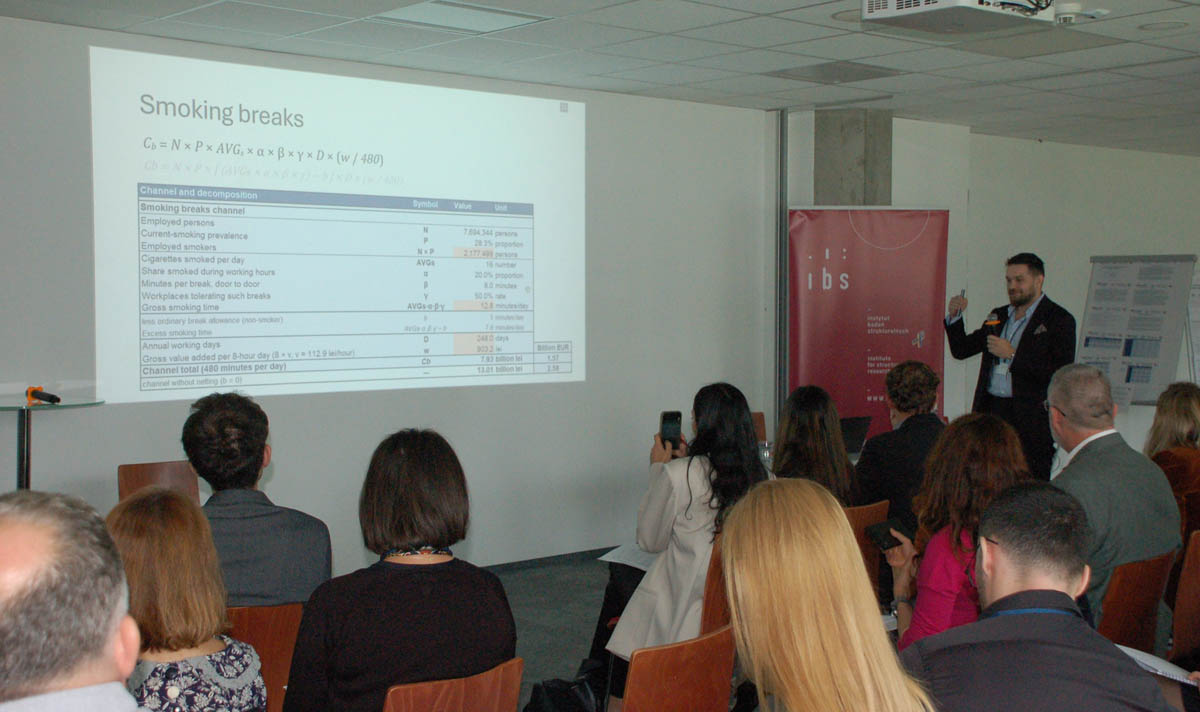
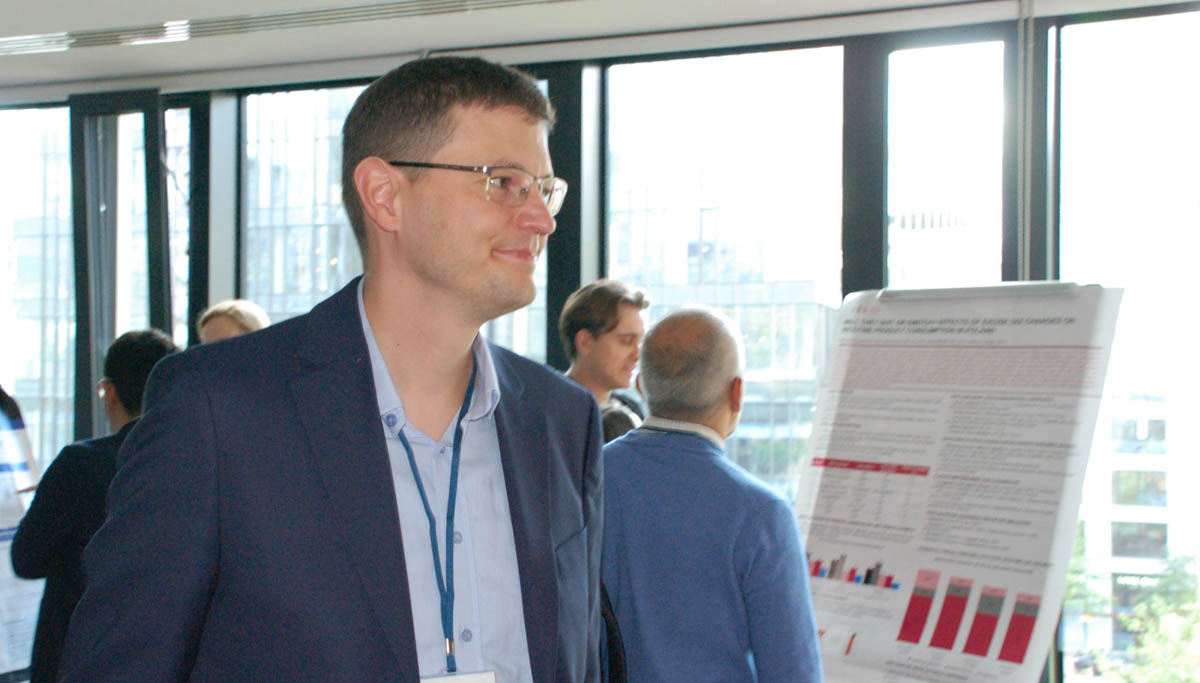
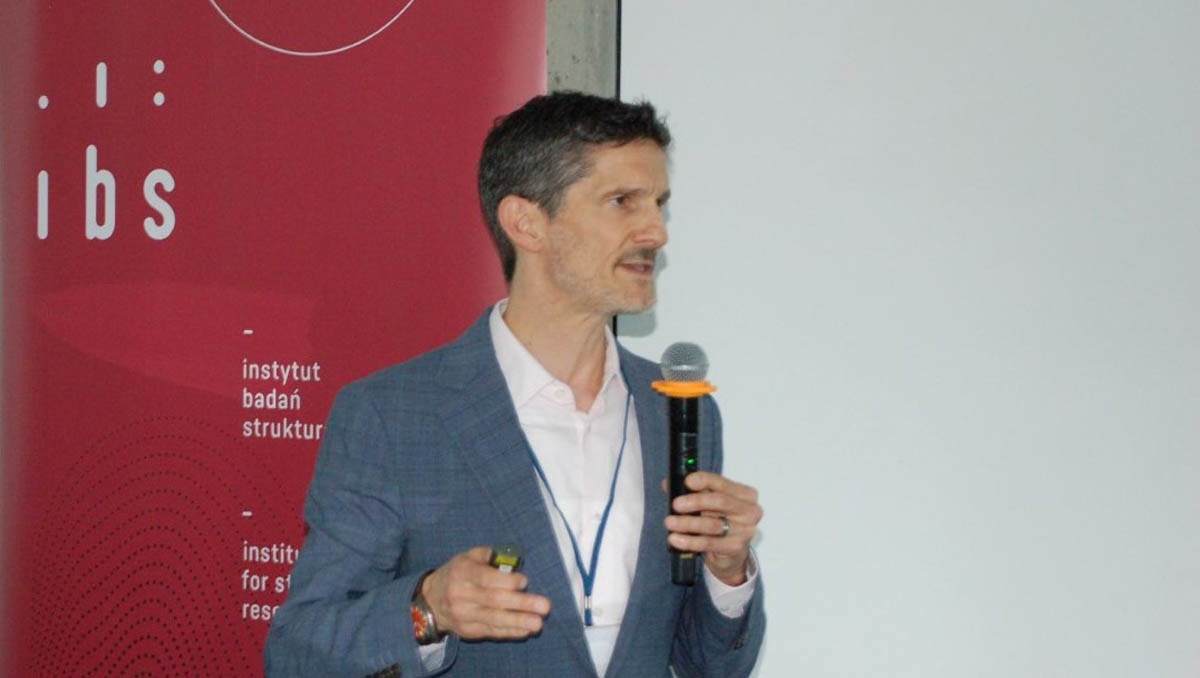
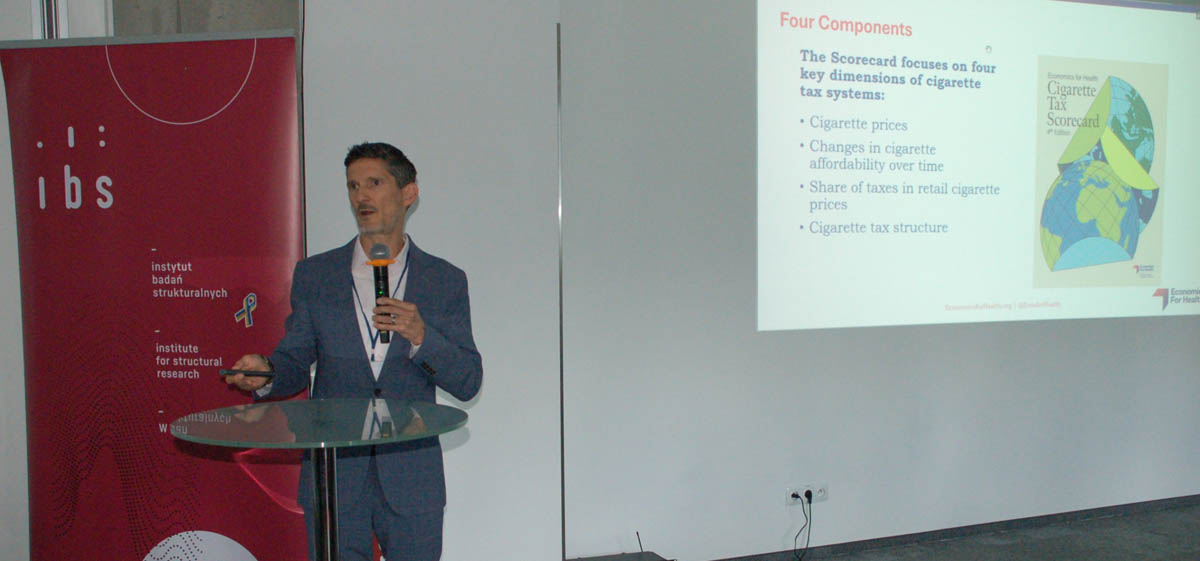
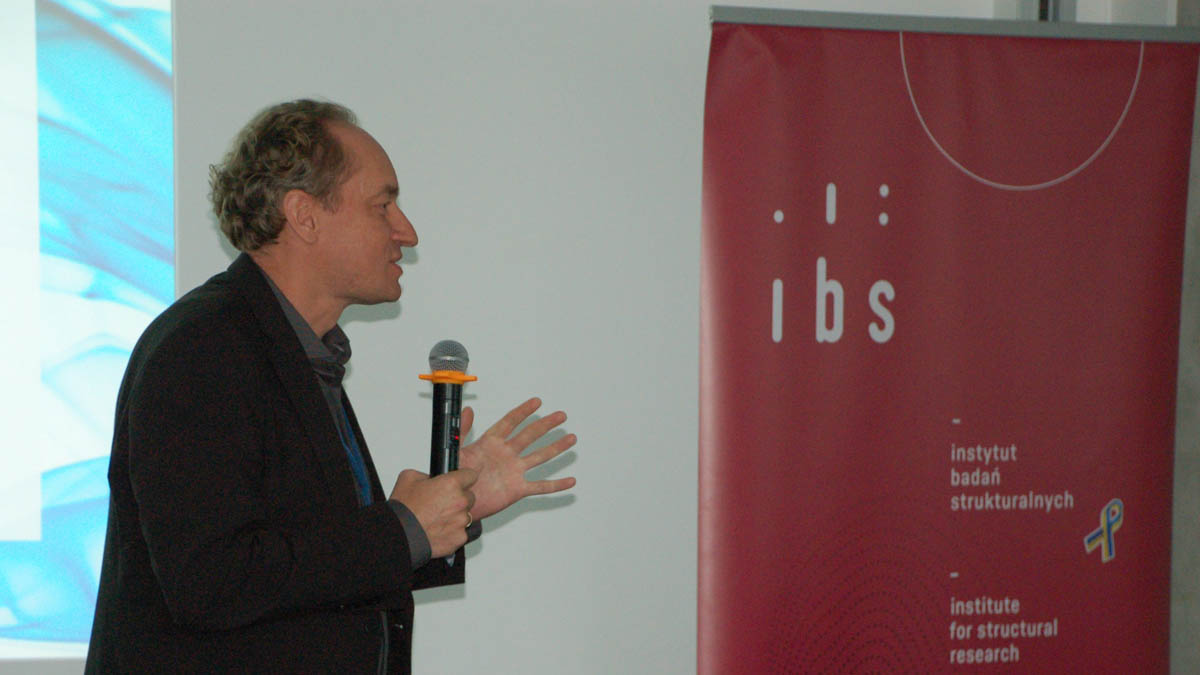
Maciej Albinowski presented the latest IBS analyses of the consumption of alternative nicotine products. The introduction of excise duty on e-cigarettes in 2025 led to a decline in their consumption among most users. At the same time, many users increased their consumption of other nicotine products, which remain highly affordable. The IBS study also shows that only 1.4% of people who smoked cigarettes in 2025 replaced them with alternative products over the past year. This finding confirms that alternative nicotine products do not play an important role in reducing the harms associated with tobacco smoking, but primarily serve as a way of attracting new consumers, who are usually young.
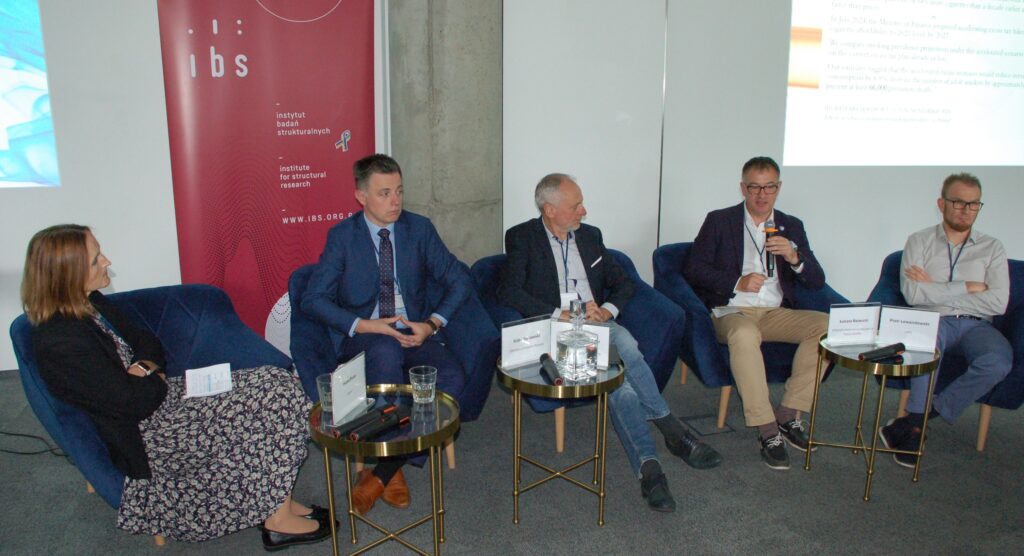
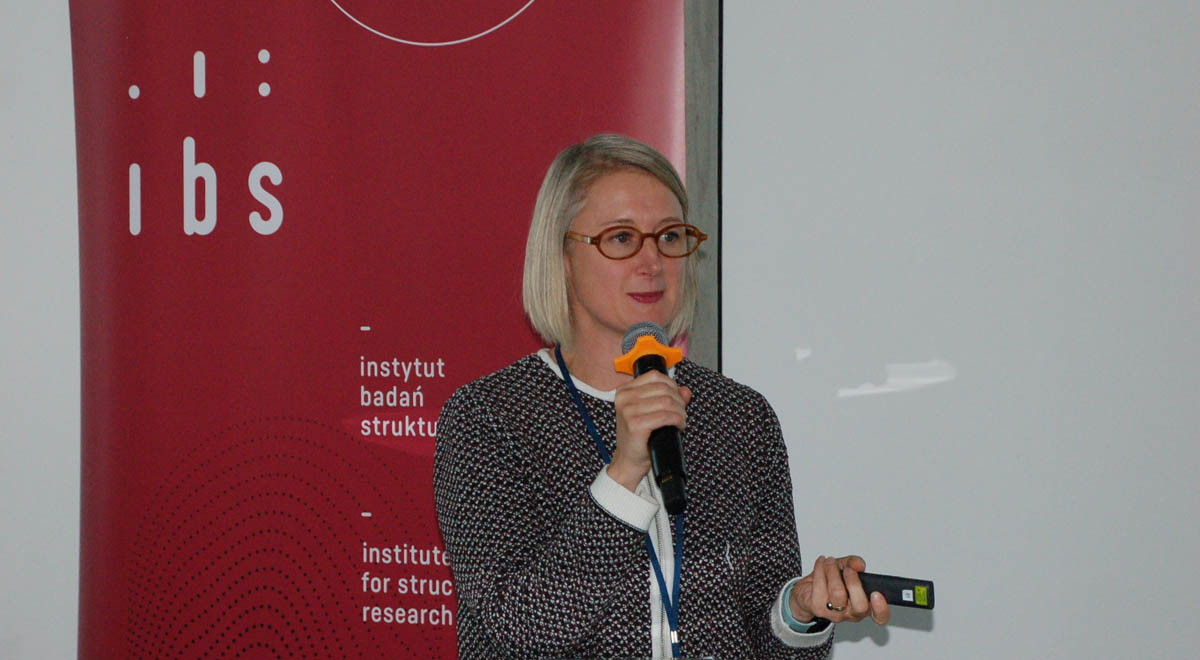
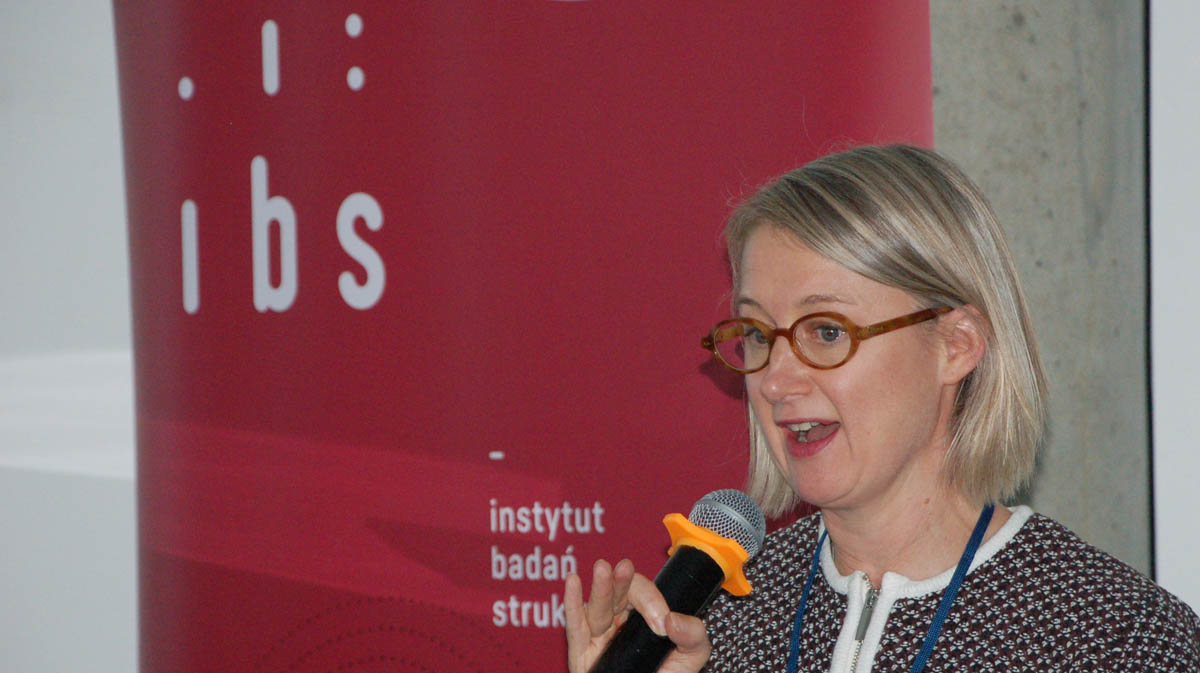
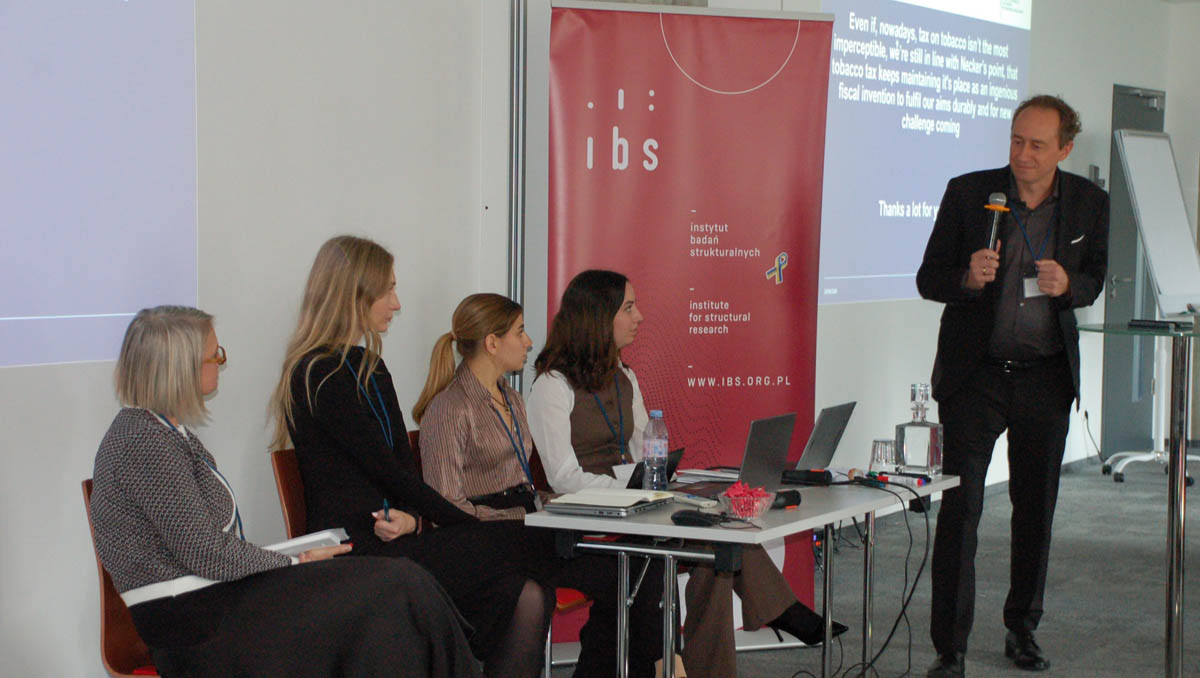
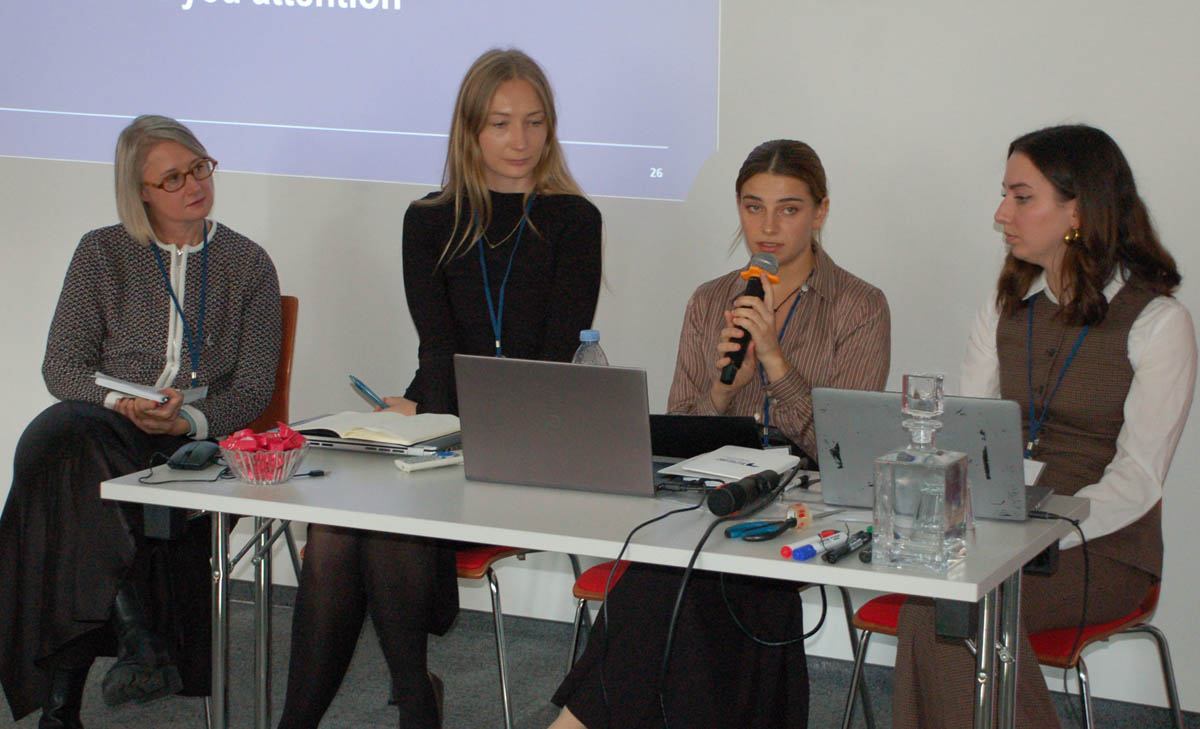
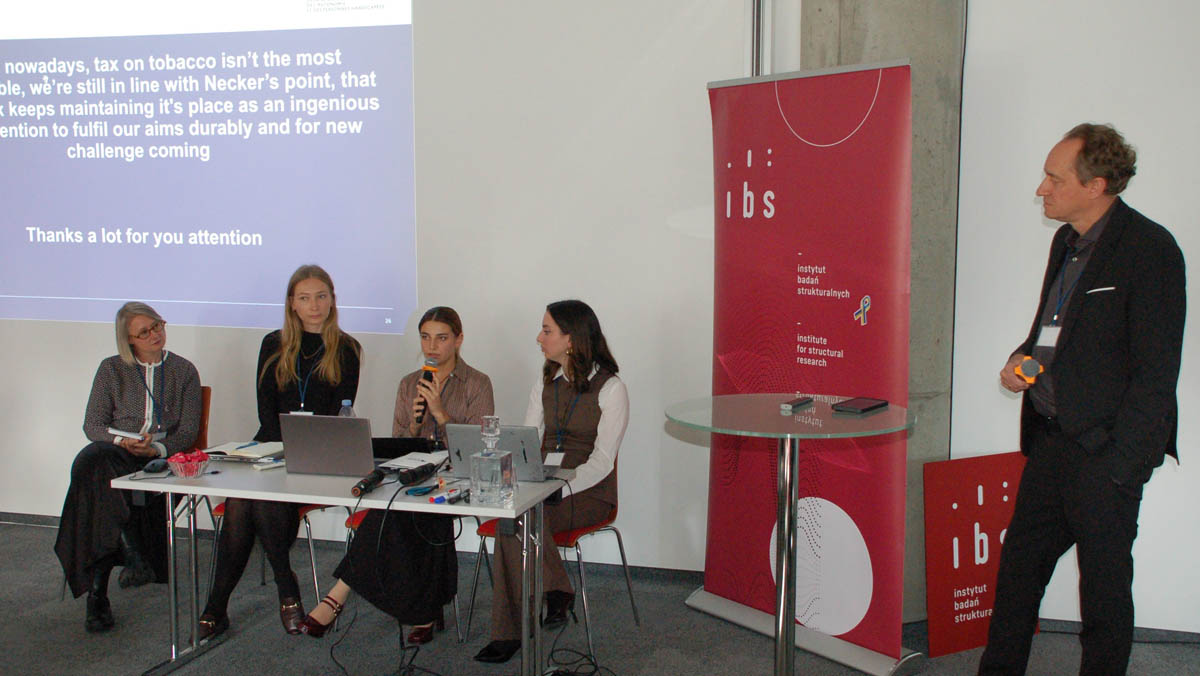
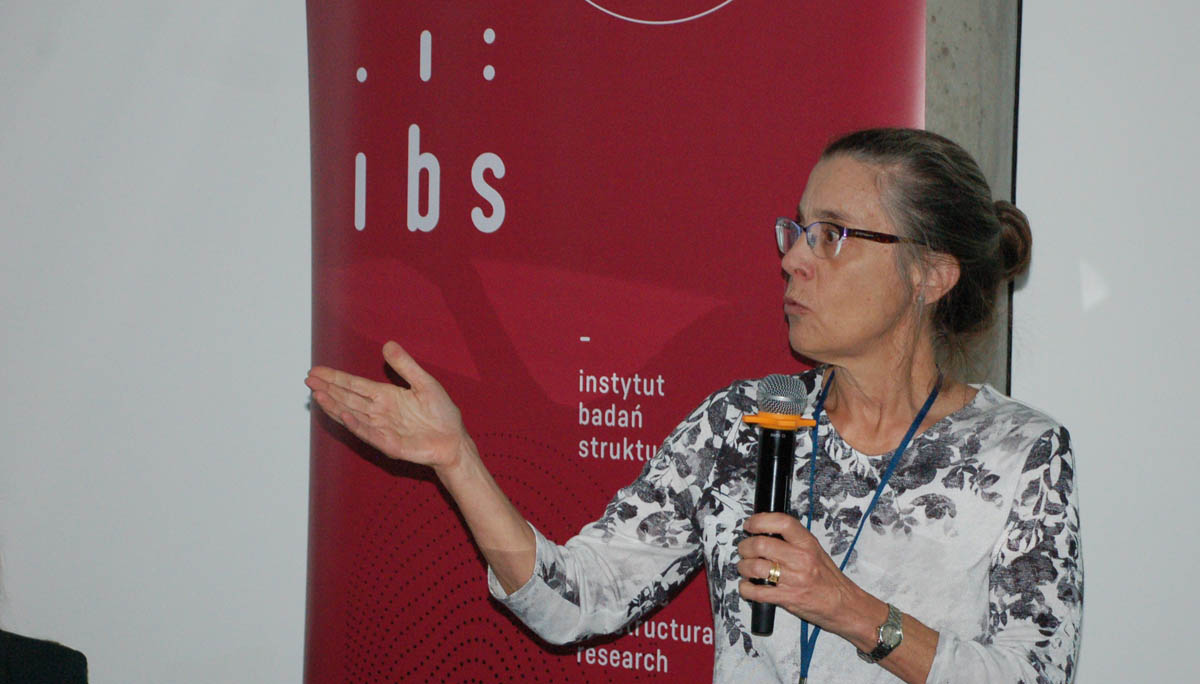
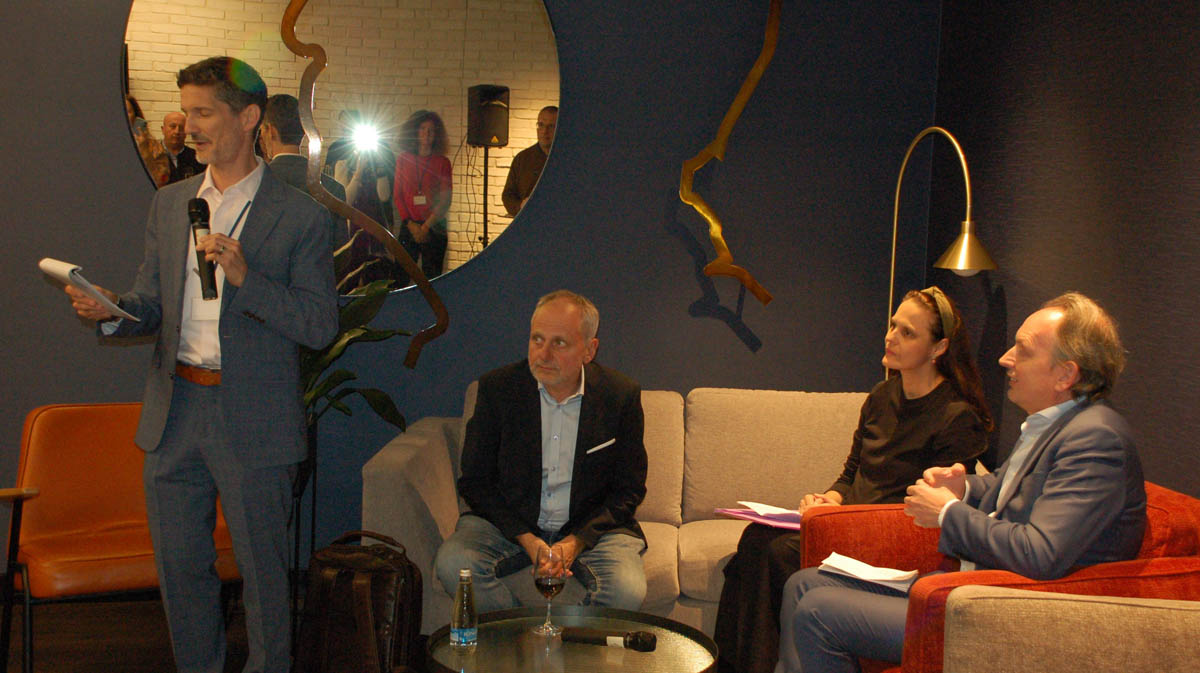
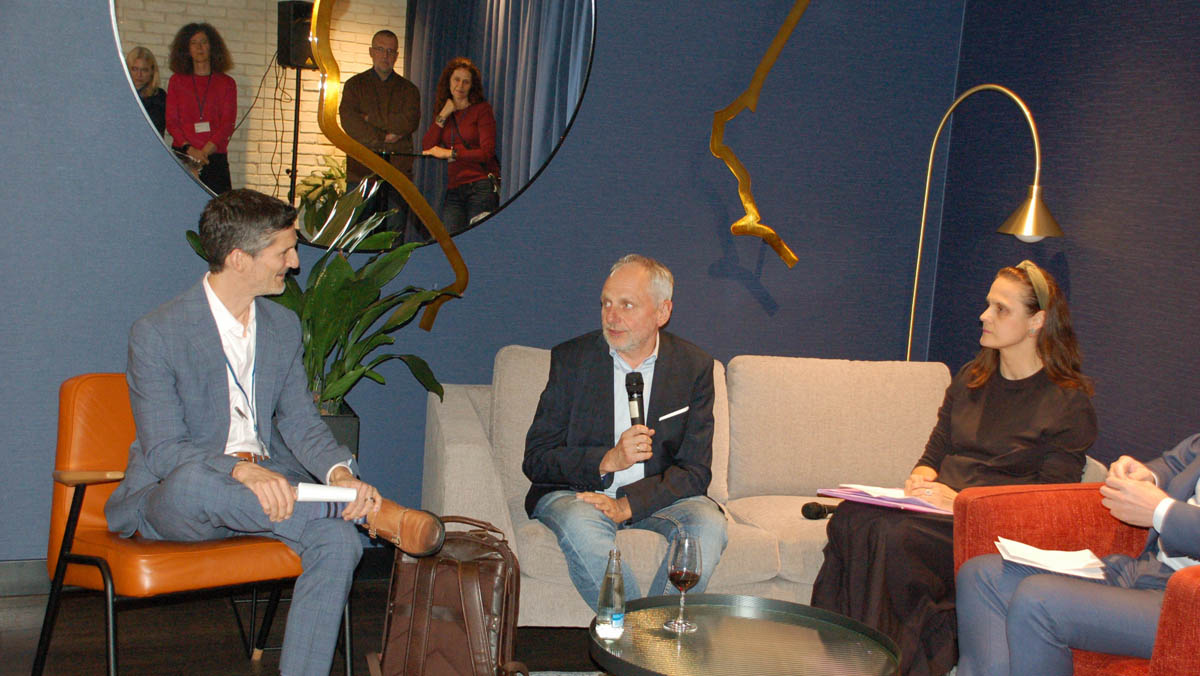
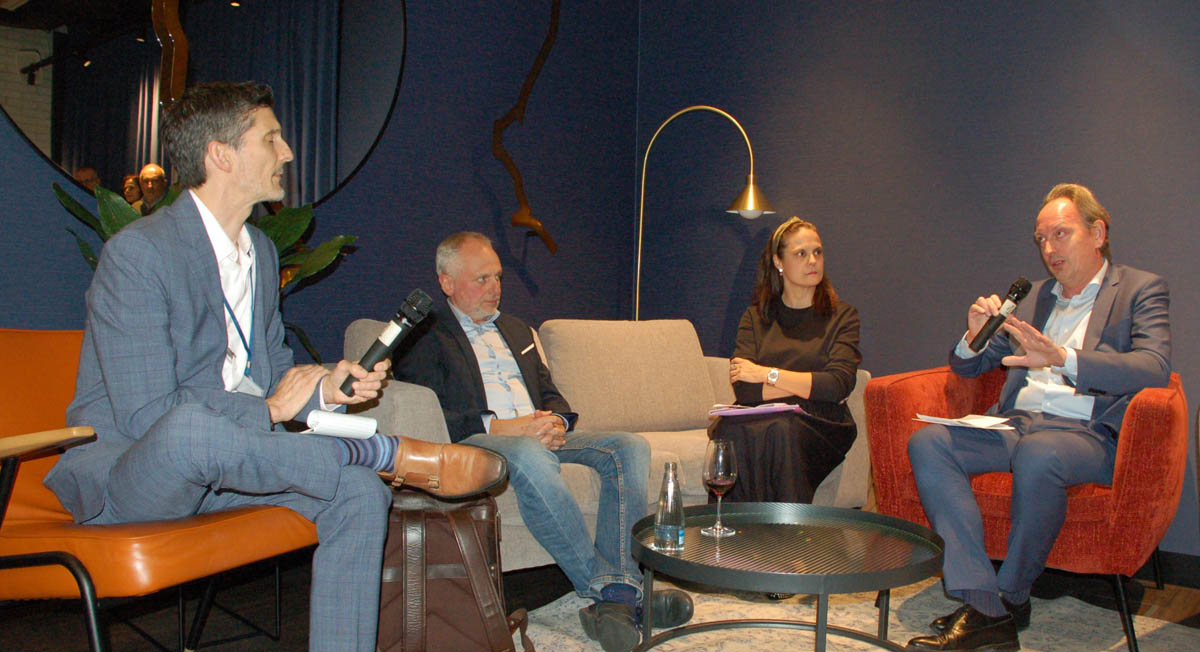
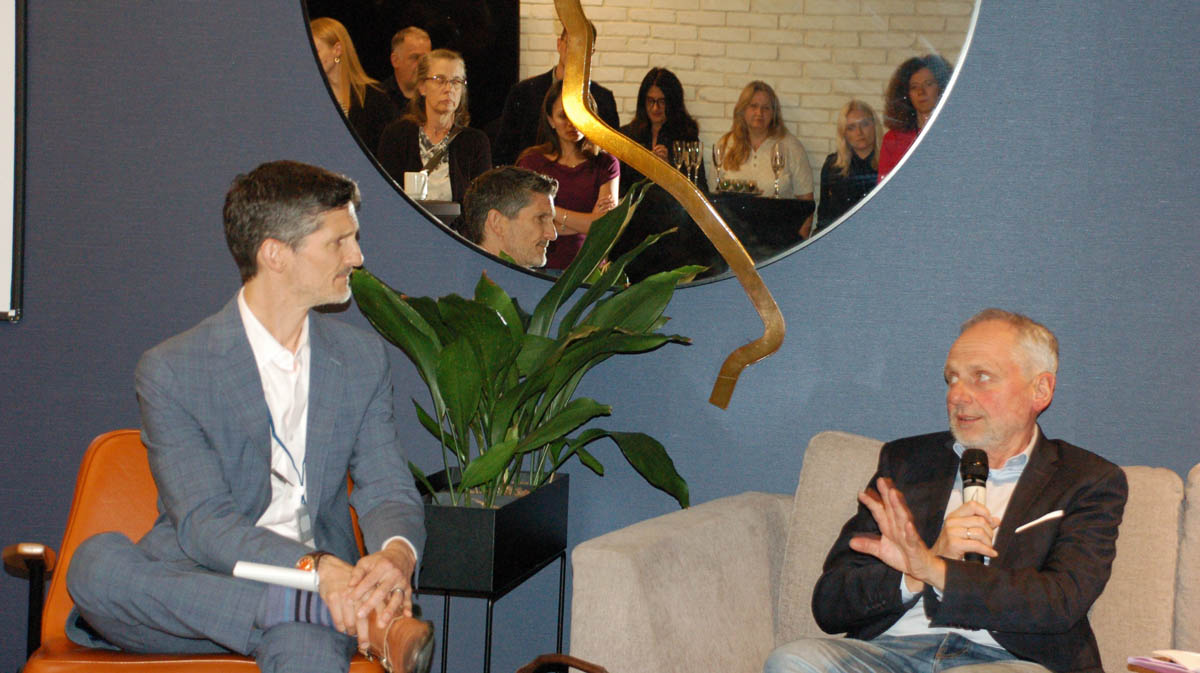
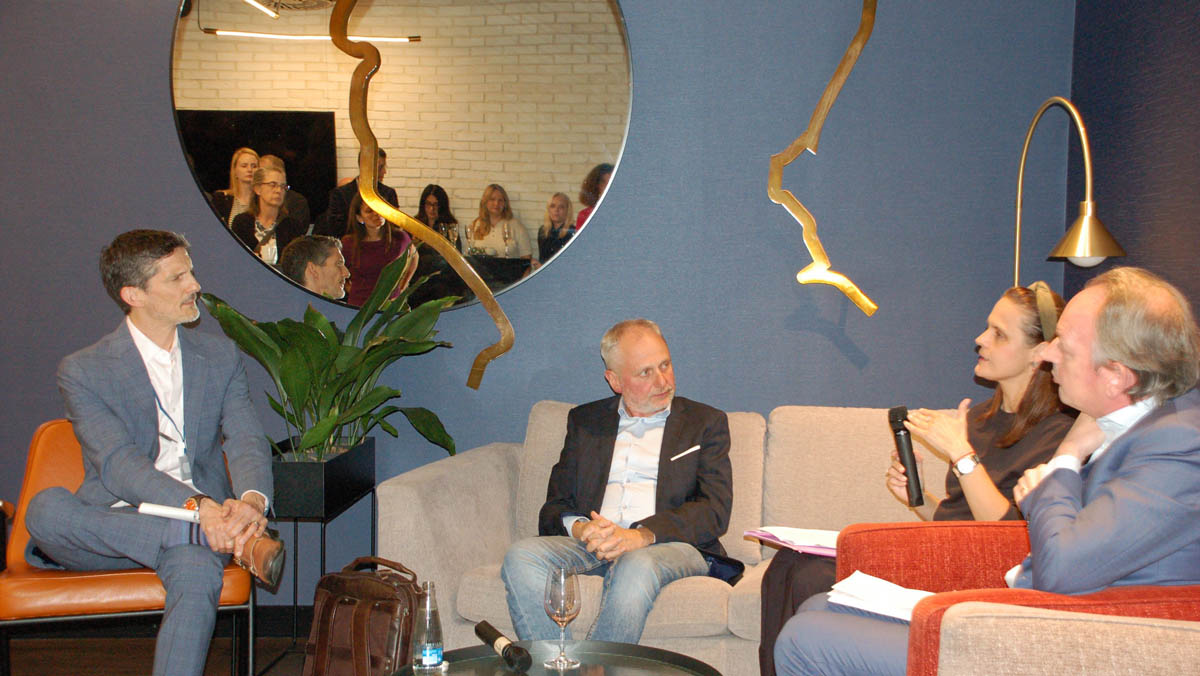
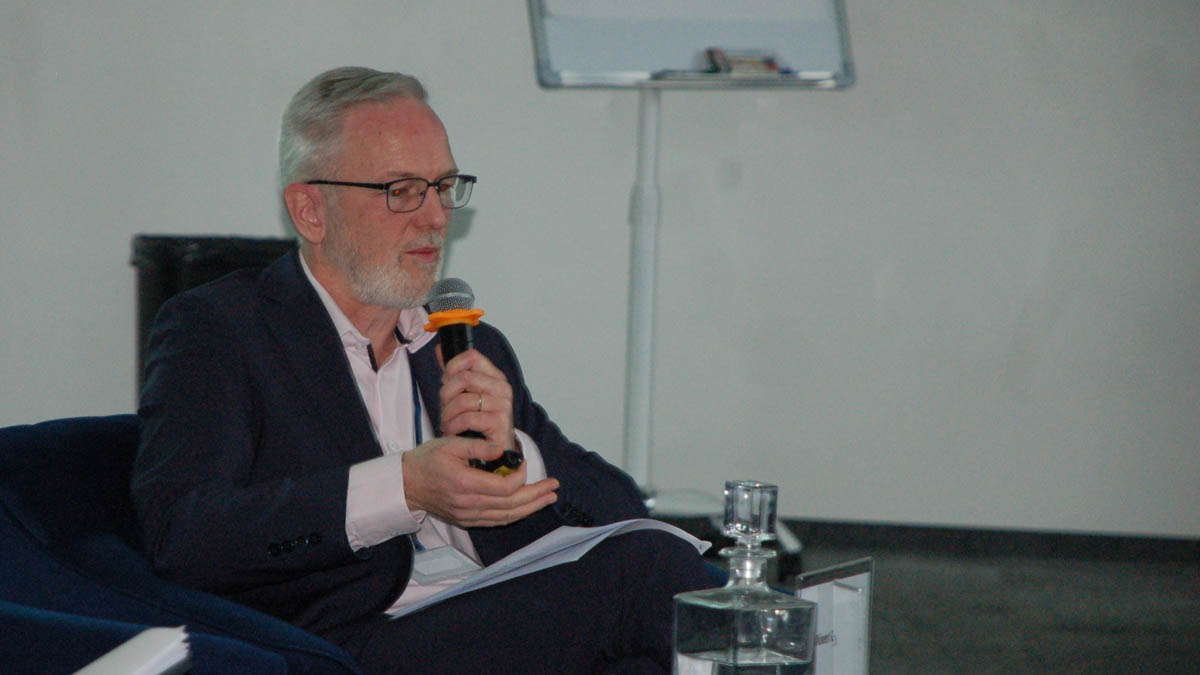
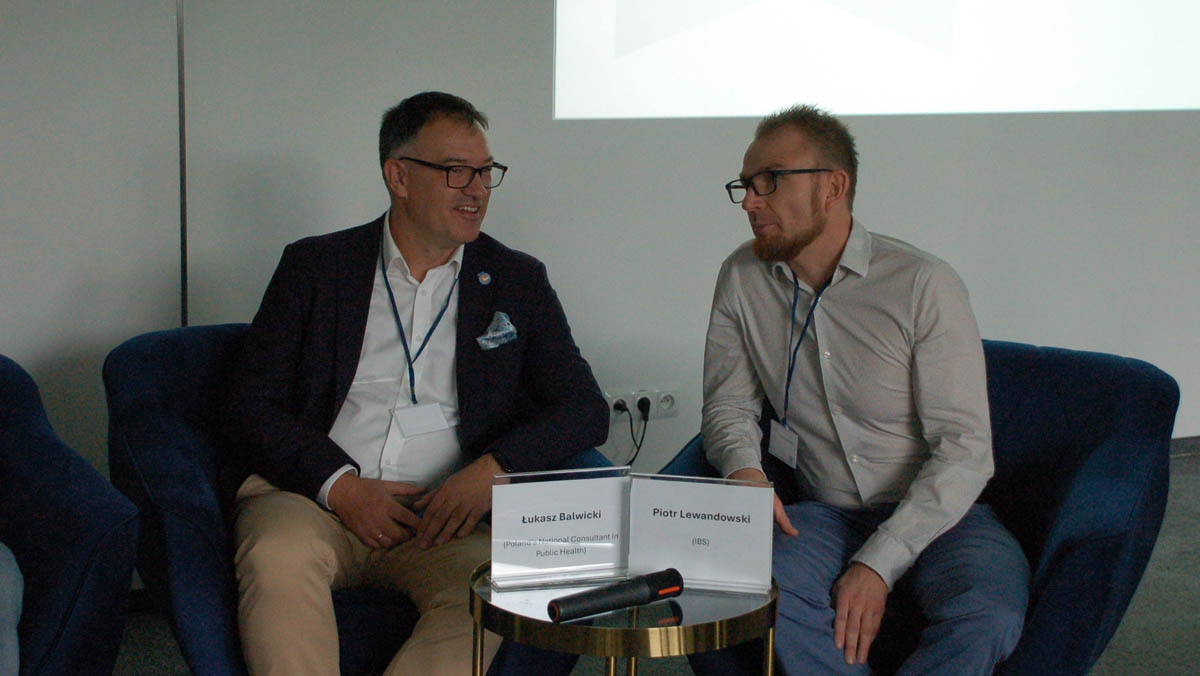
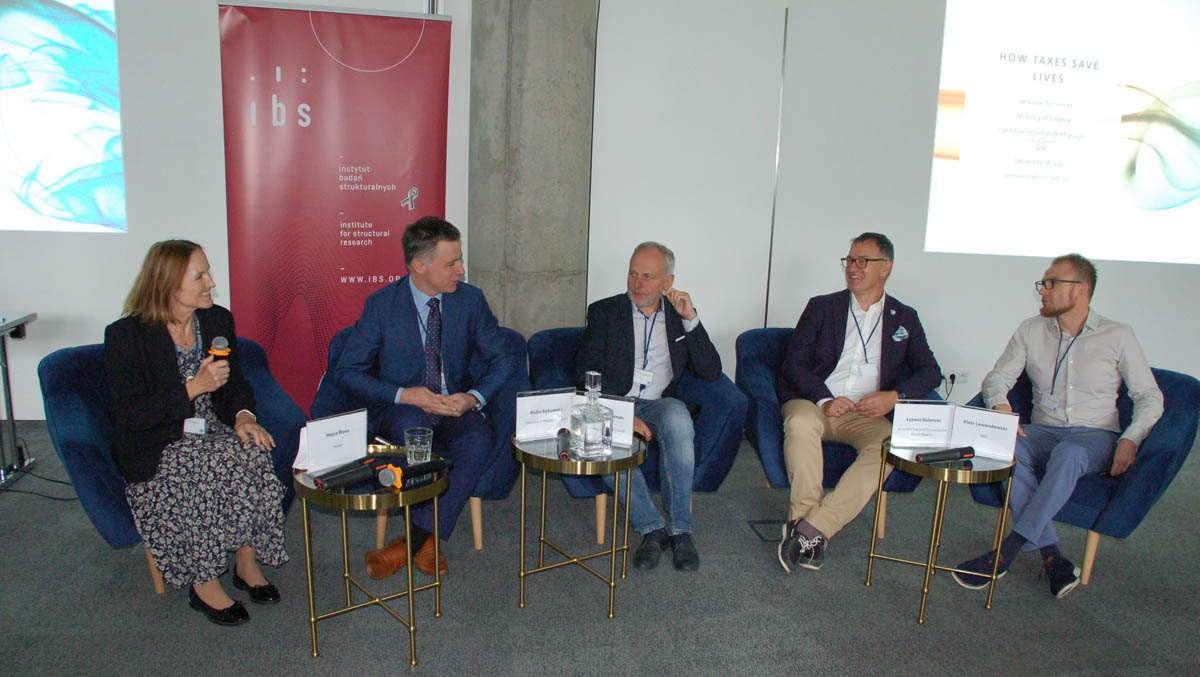
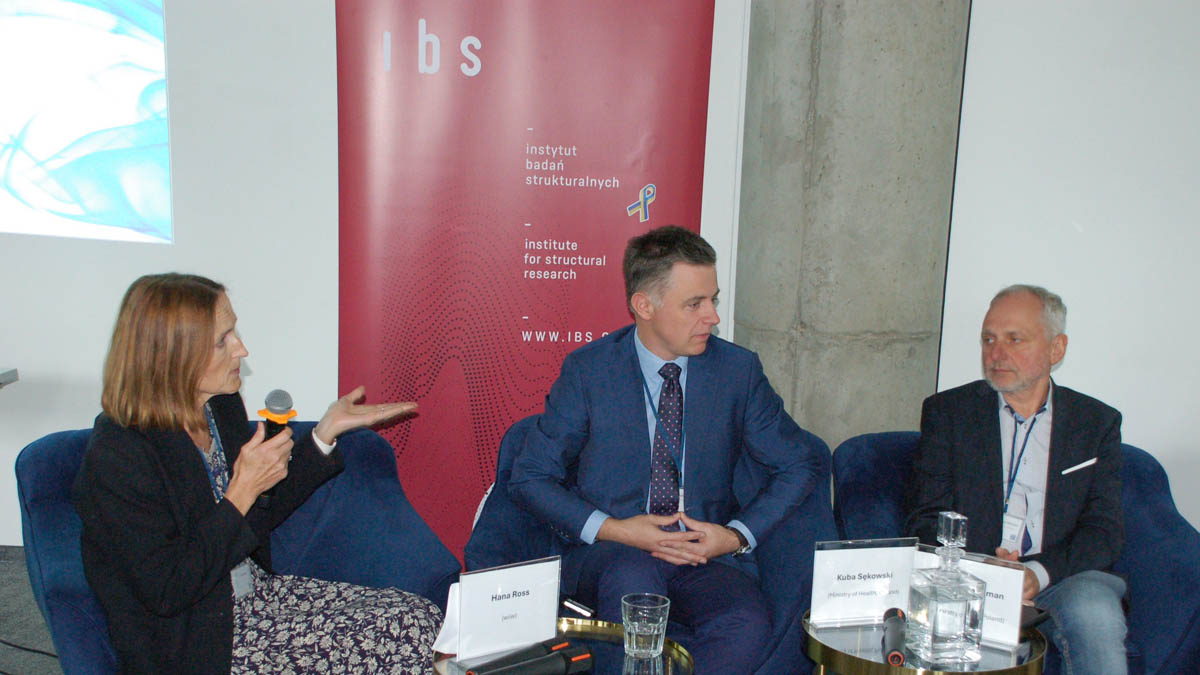
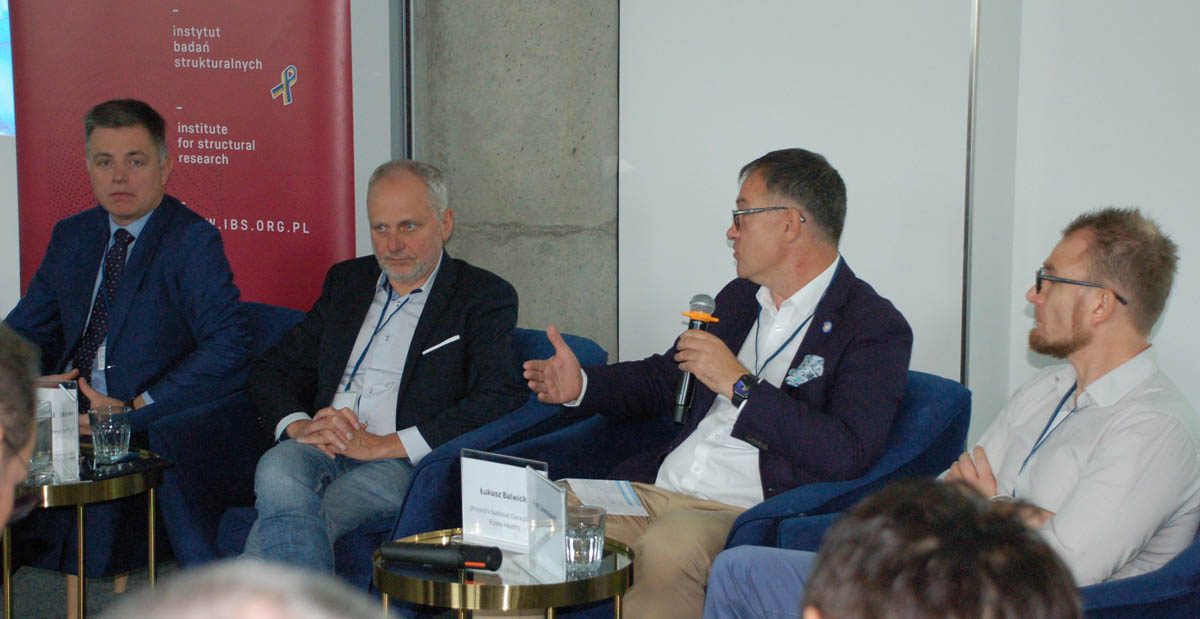
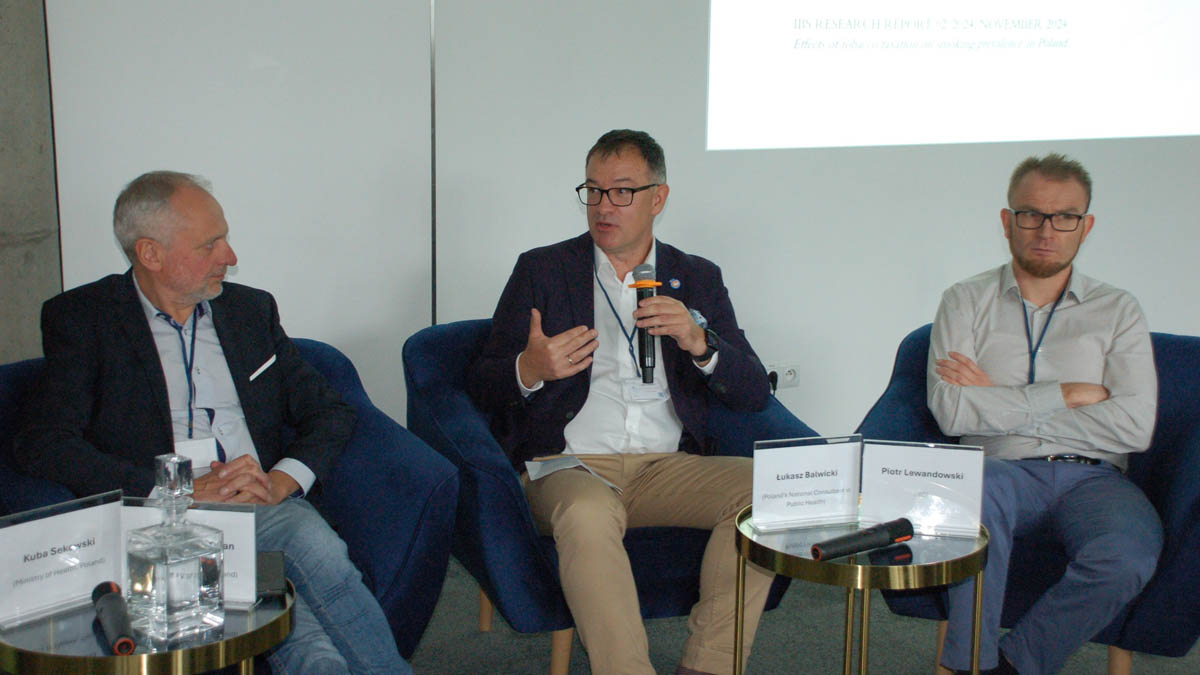
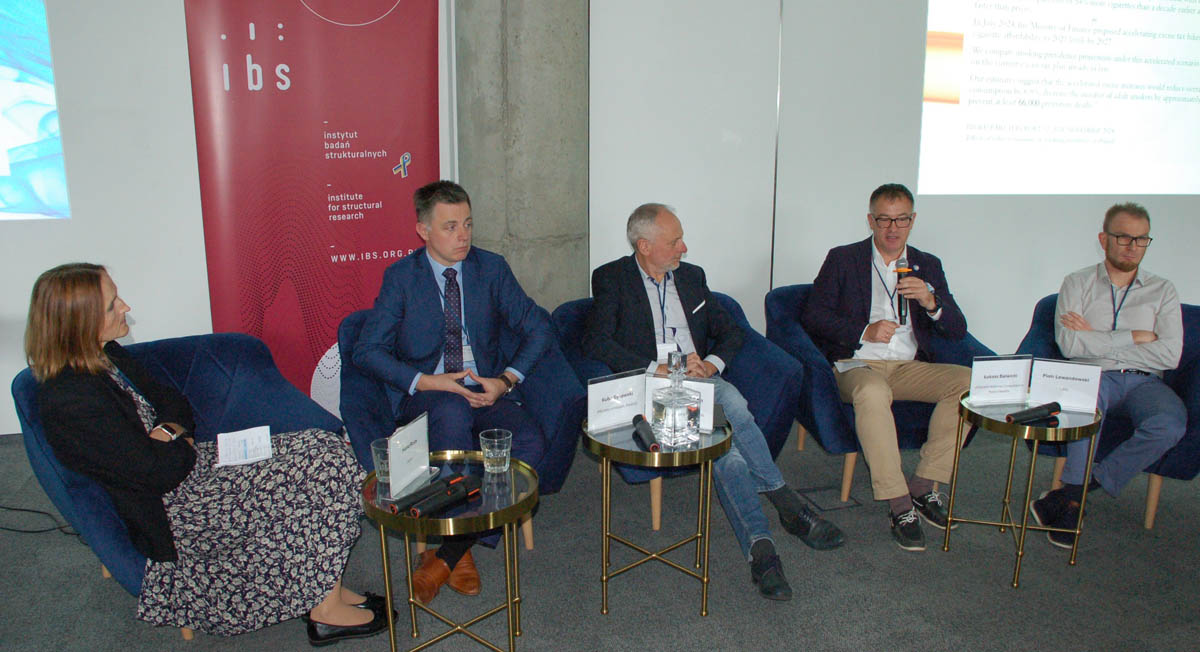
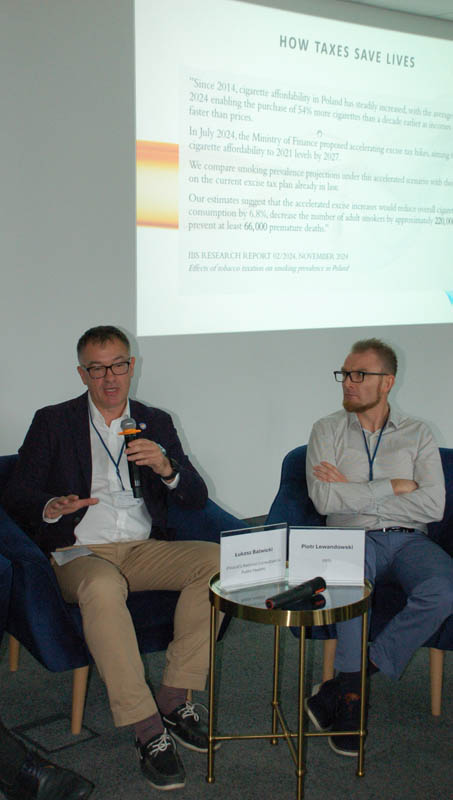
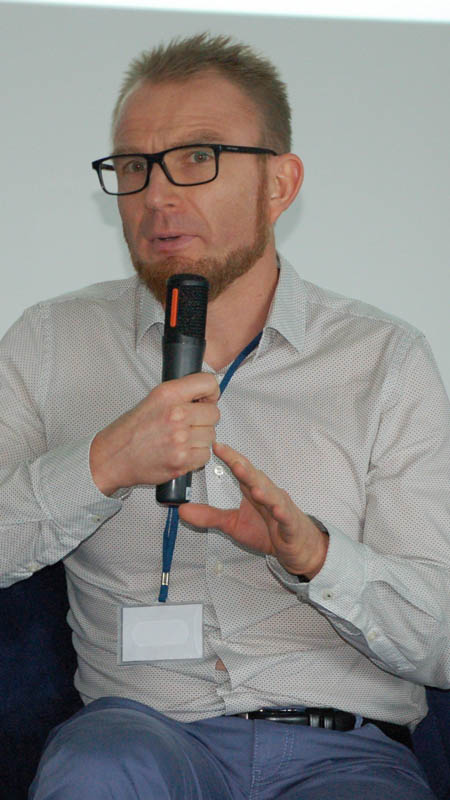
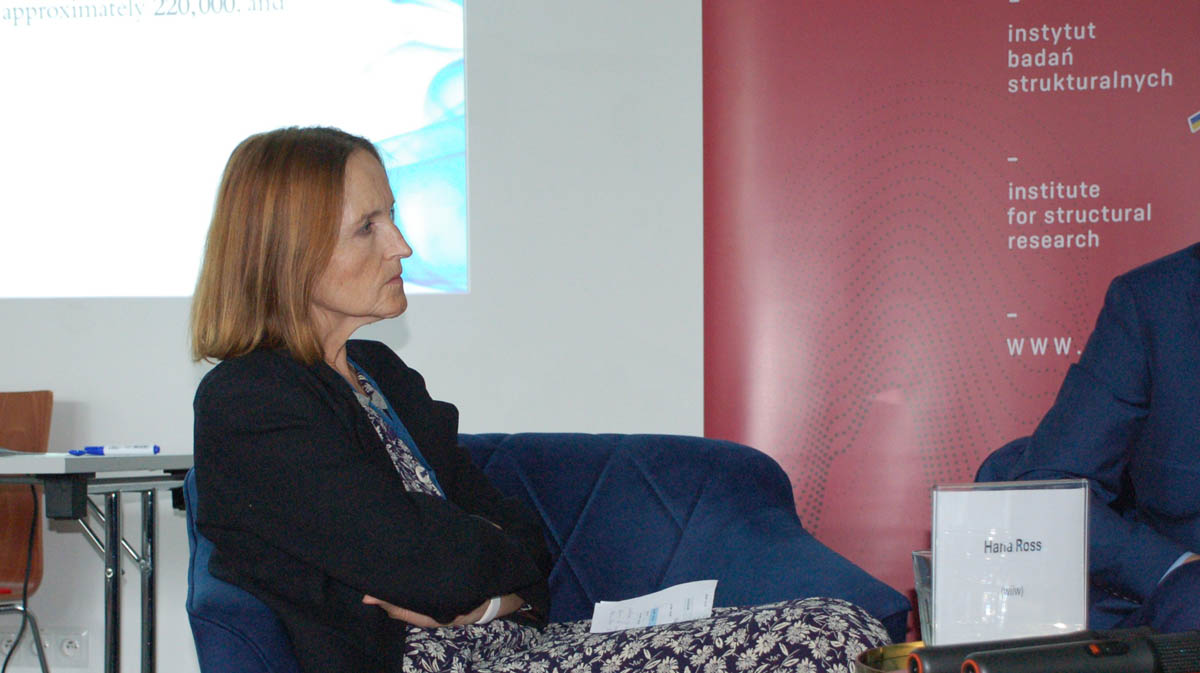
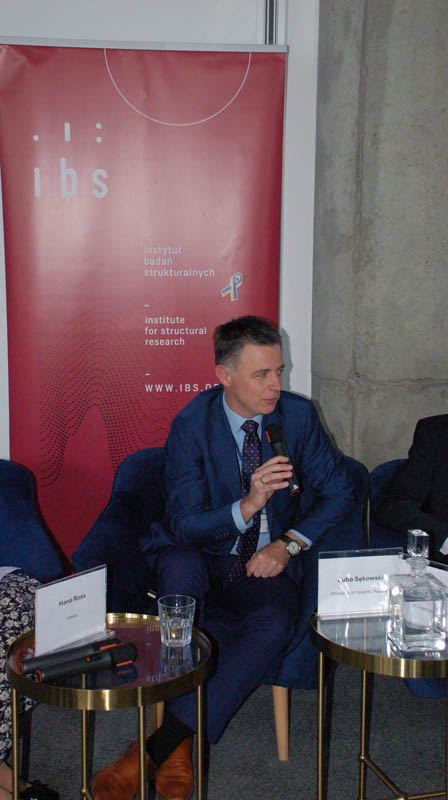
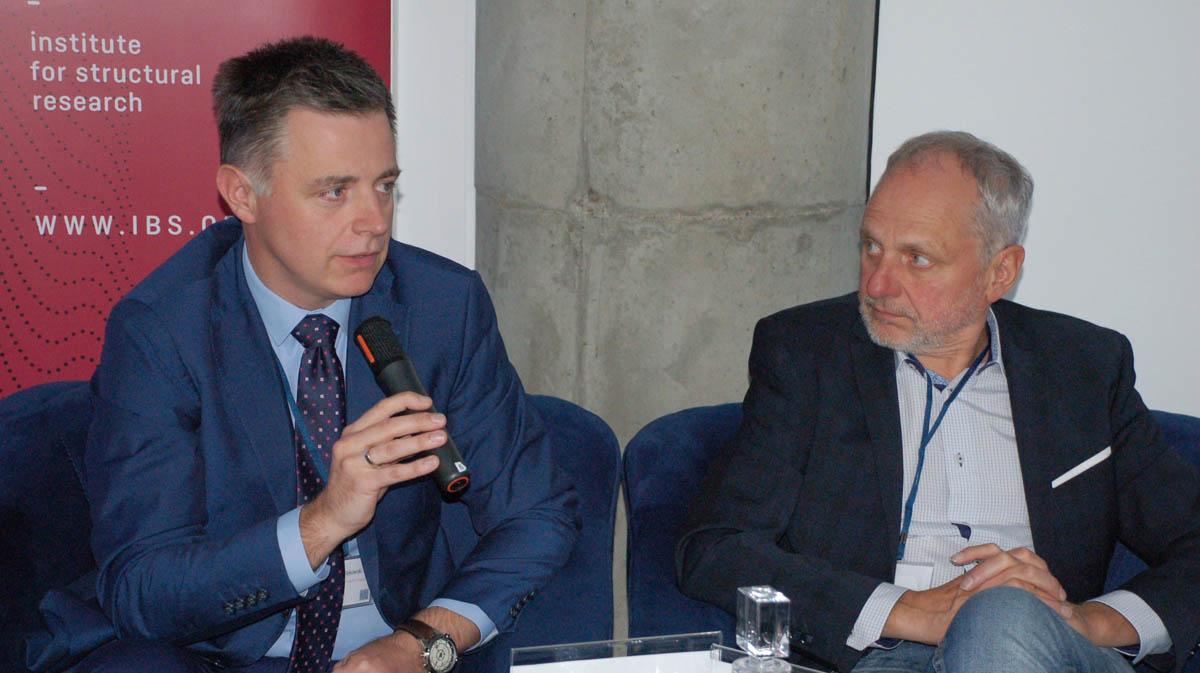
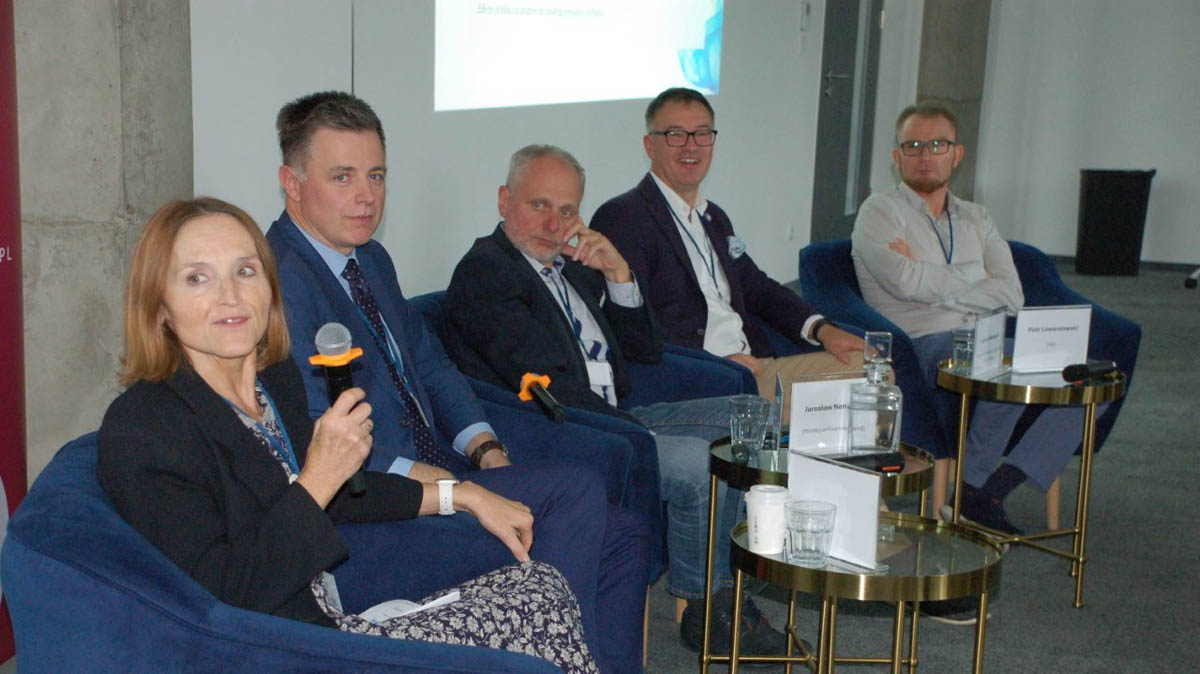
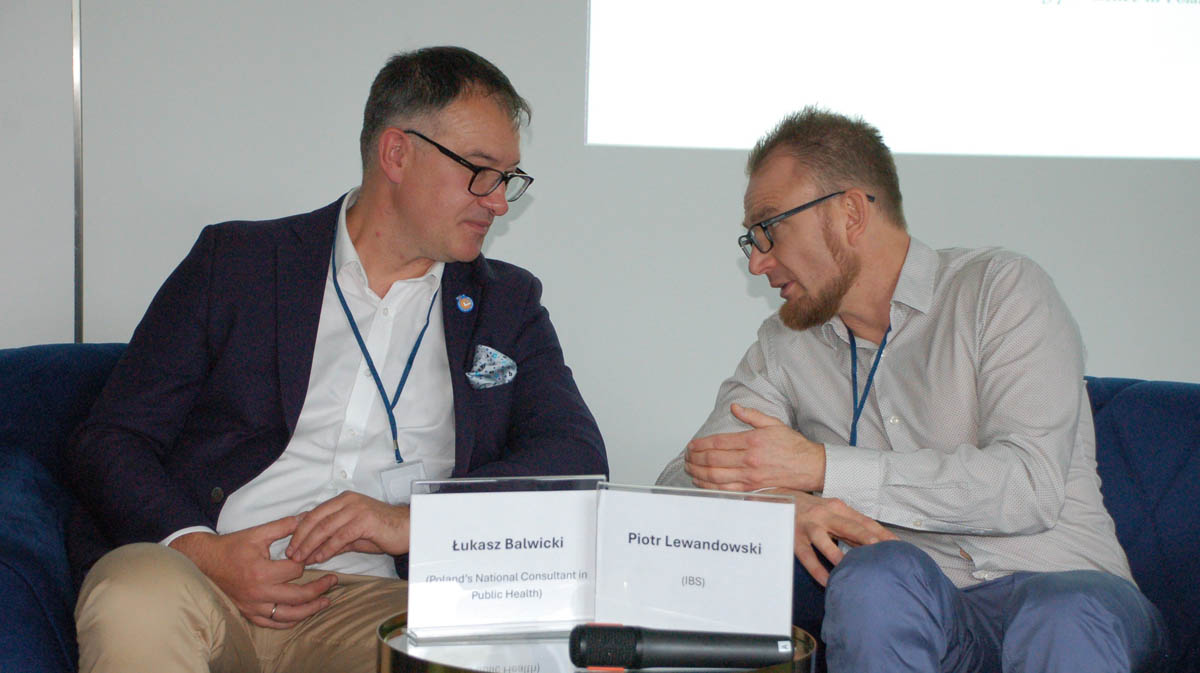
One of the panel discussions focused on Poland’s recent experience. The panelists were Kuba Sękowski, Deputy Director of the Department of Public Health at the Ministry of Health; Jarosław Neneman, Deputy Minister of Finance; Łukasz Balwicki, National Consultant in Public Health; and Piotr Lewandowski, President of IBS. The panel was moderated by Hana Ross, a leading researcher in tobacco taxation.
Kuba Sękowski emphasised that, from a public health perspective, every minister should also be a minister of health. In his view, the current cooperation between the Ministry of Health and the Ministry of Finance follows this principle, with the Ministry of Finance taking health considerations into account when setting excise tax rates. Differences between the two ministries’ positions sometimes arise because the Ministry of Health would prefer to prohibit the consumption of products that are clearly harmful rather than tax them. A step in this direction is the proposed amendment to the Act on Protection of Health against the Consequences of the Use of Tobacco and Tobacco Products, under which new nicotine products would be allowed to enter the market only through procedures provided for under the pharmaceutical regulatory regime.
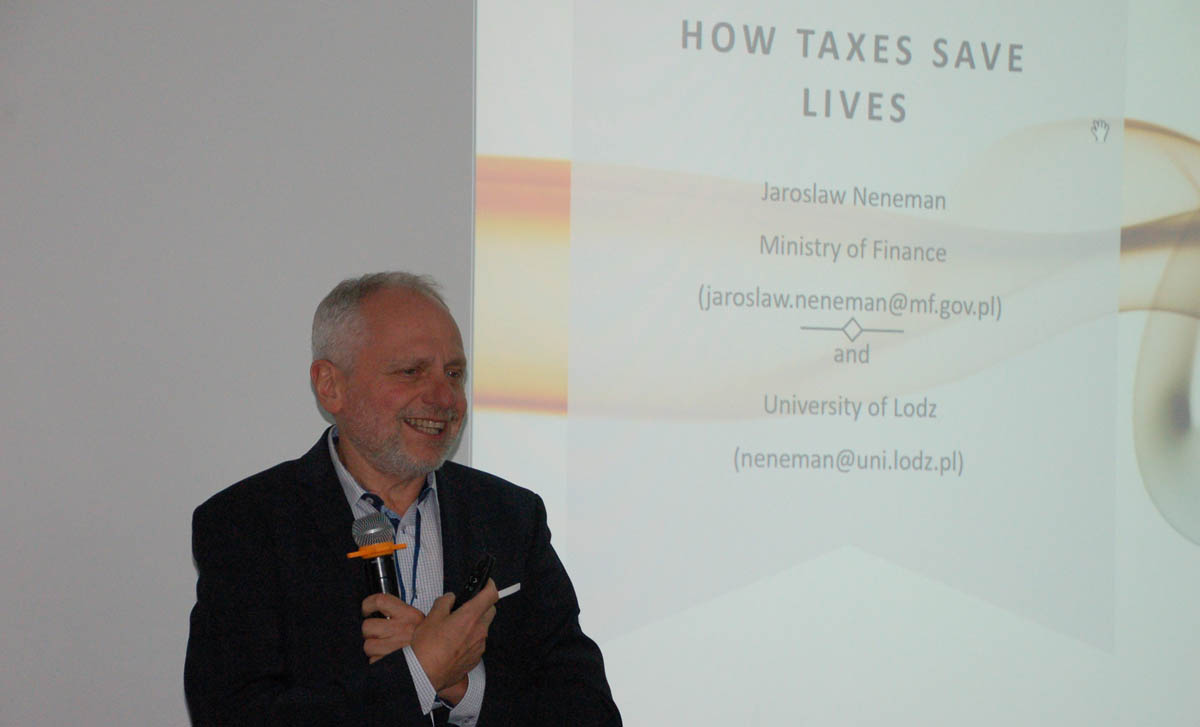
Jarosław Neneman described the regulatory challenges posed by the nicotine industry’s introduction of new products. In response to the new excise duty on devices, the industry introduced new products to the market, including those that use an external power source and an induction mechanism rather than heating, thereby allowing them to avoid the tax liability. The Ministry prepared amendments to the legislation to bring these new product categories within the scope of the tax, while also proposing higher taxation of e-liquids. The Minister noted that, under the tax calendar being prepared for 2028 onwards, it may be desirable for excise tax rates on alternative products to increase faster than those on traditional cigarettes. This would help reduce the large differences in excise taxation that currently exist across product categories.
Łukasz Balwicki presented findings from research on tobacco industry interference in the legislative process. He emphasised that the Polish Ministry of Health has effective procedures in place to protect the legislative process from tobacco industry interference, given that the industry’s interests are clearly at odds with public health objectives. Professor Balwicki, however, expressed concern about the significant degree of tobacco industry interference in the legislative process in Parliament. At the same time, there are too few independent organisations that could monitor the legislative process and represent the public interest. According to Professor Balwicki, there is a need for a substantial increase in public funding for regular, long-term scientific research and for the activities of non-governmental organisations working in the public health interest.
Piotr Lewandowski pointed out that the main barrier to conducting public health research in Poland is the lack of access to administrative data, including data from health registers and the social security system. If such data were available, scientific research could be financed from research funding sources, including those provided by the European Union. Piotr Lewandowski referred to studies from other countries in which access to such data enabled precise estimates of the effects of health interventions, such as low-emission zones, on population health. In his view, conducting similar studies for Poland would make it easier to explain to the public the rationale for introducing further public health regulations.
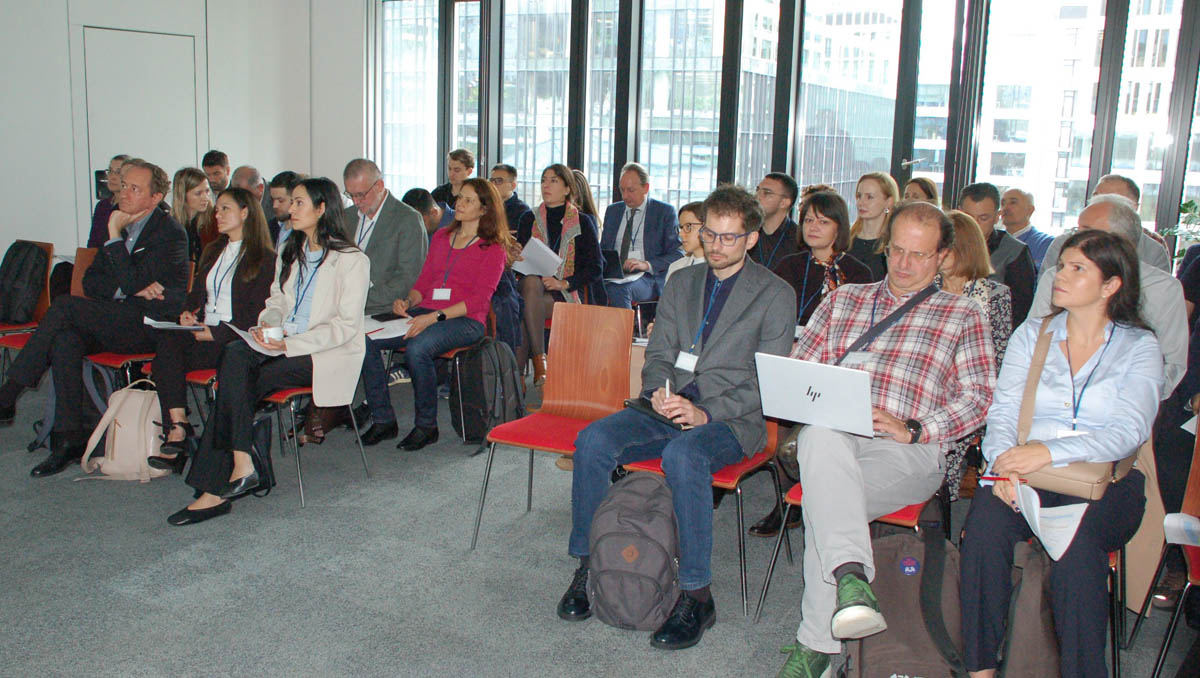
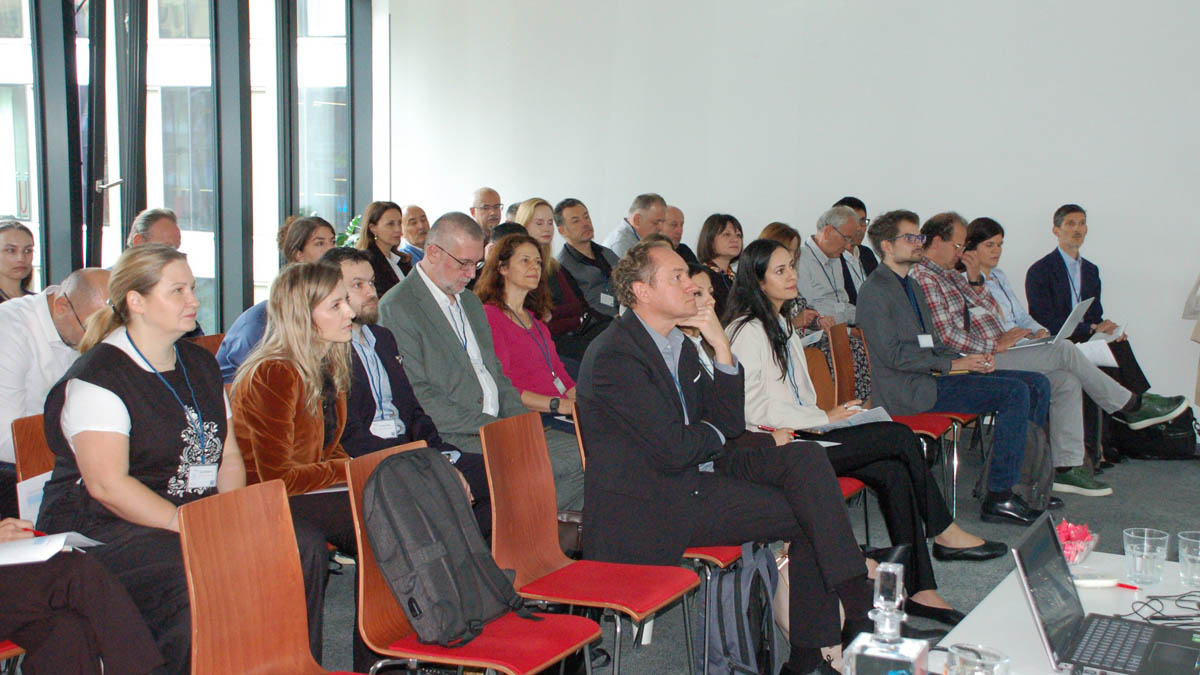
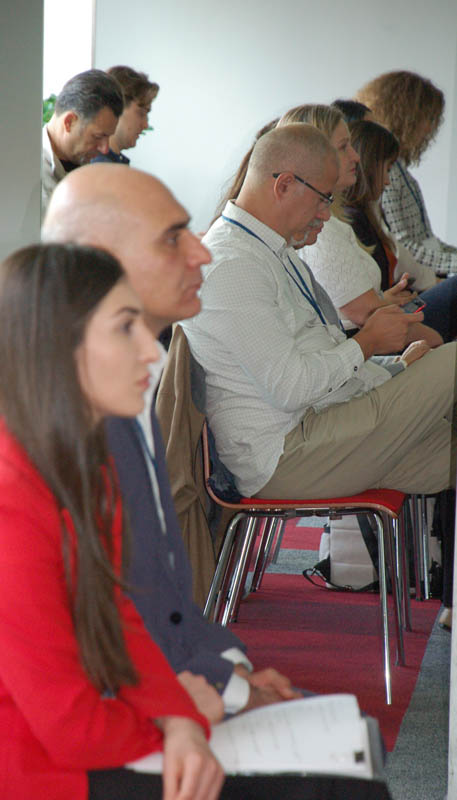
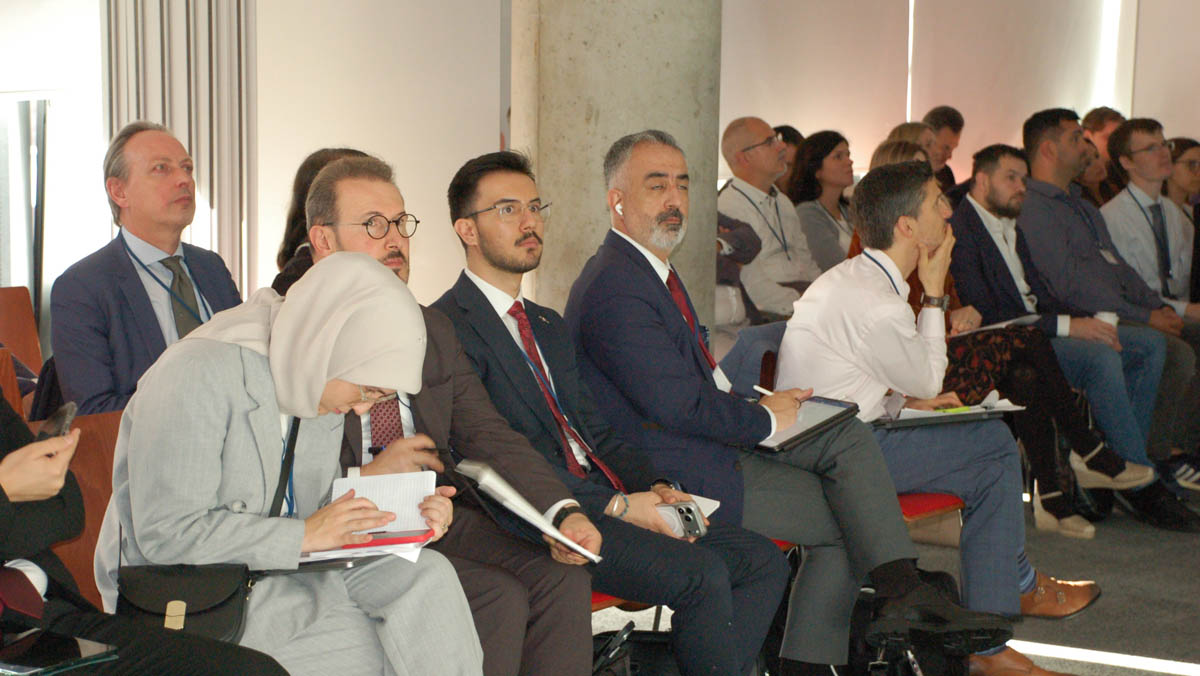
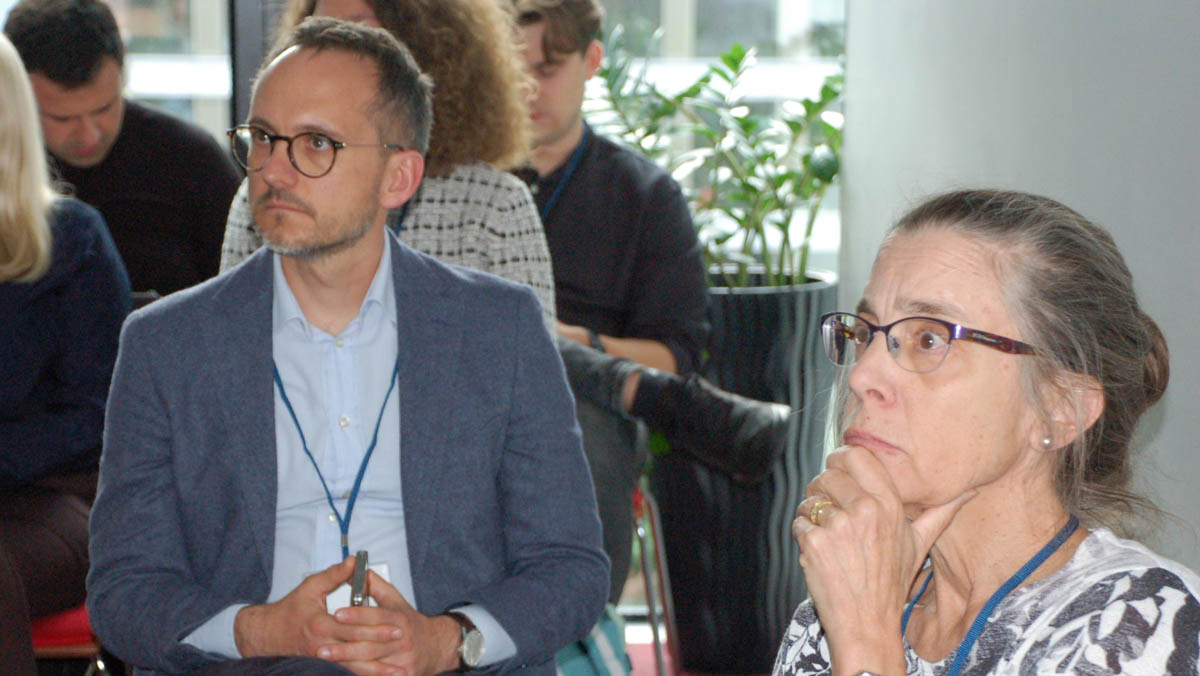
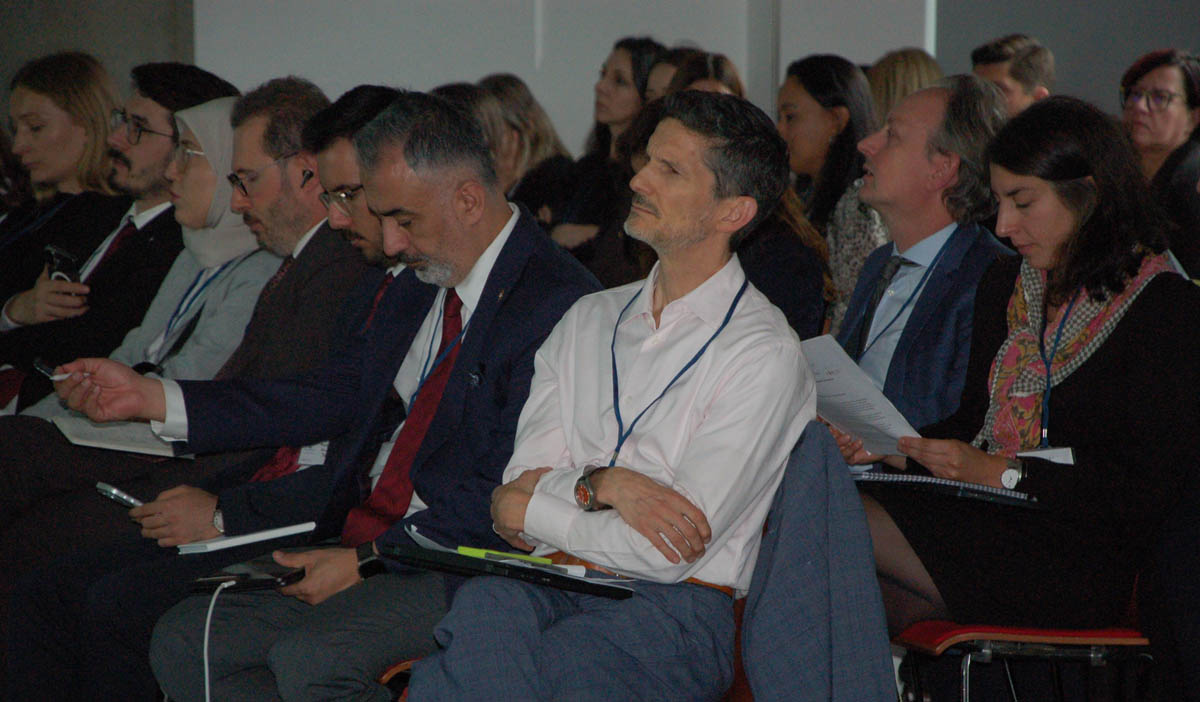
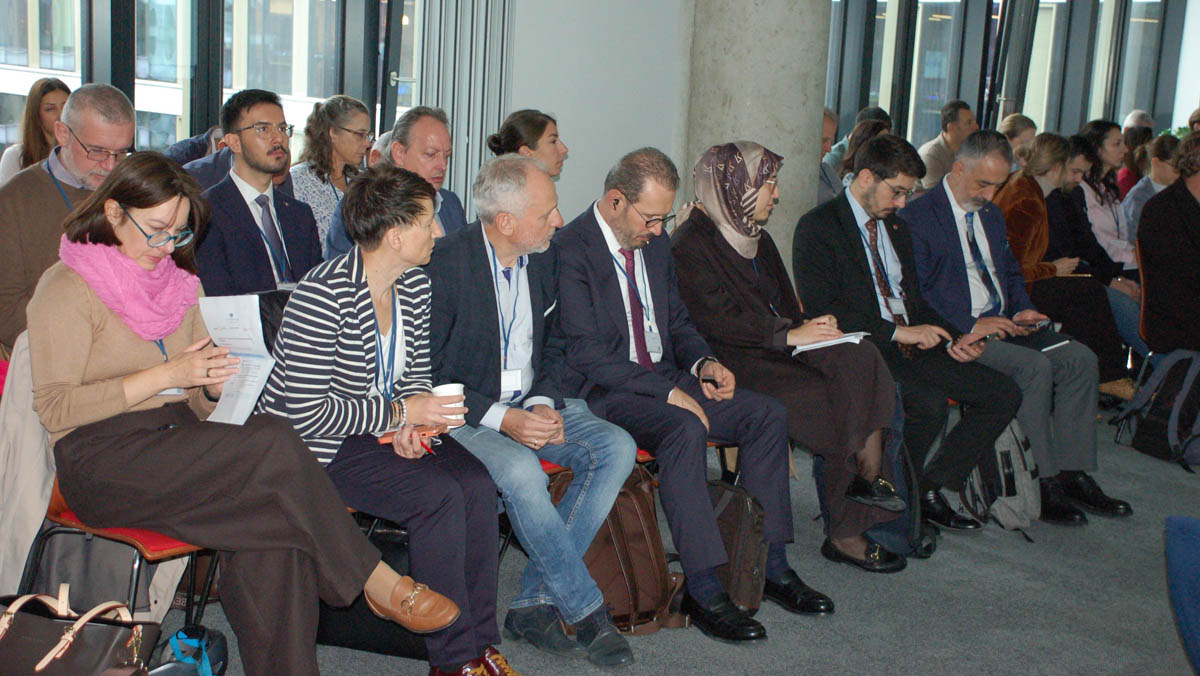
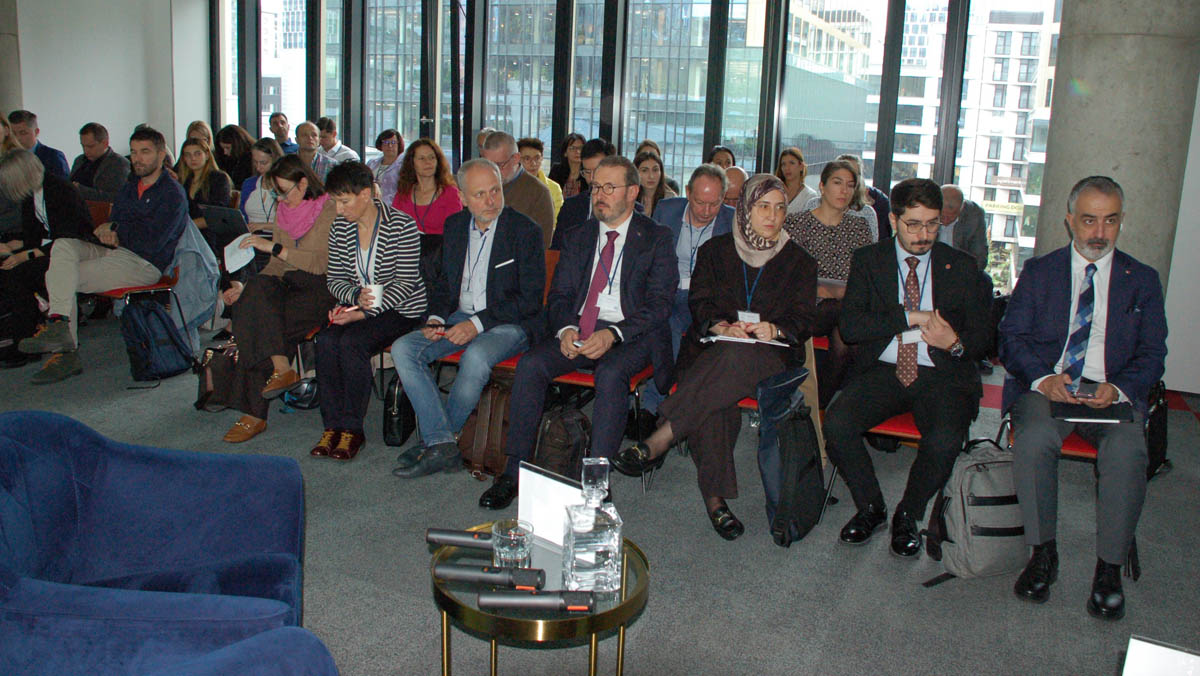
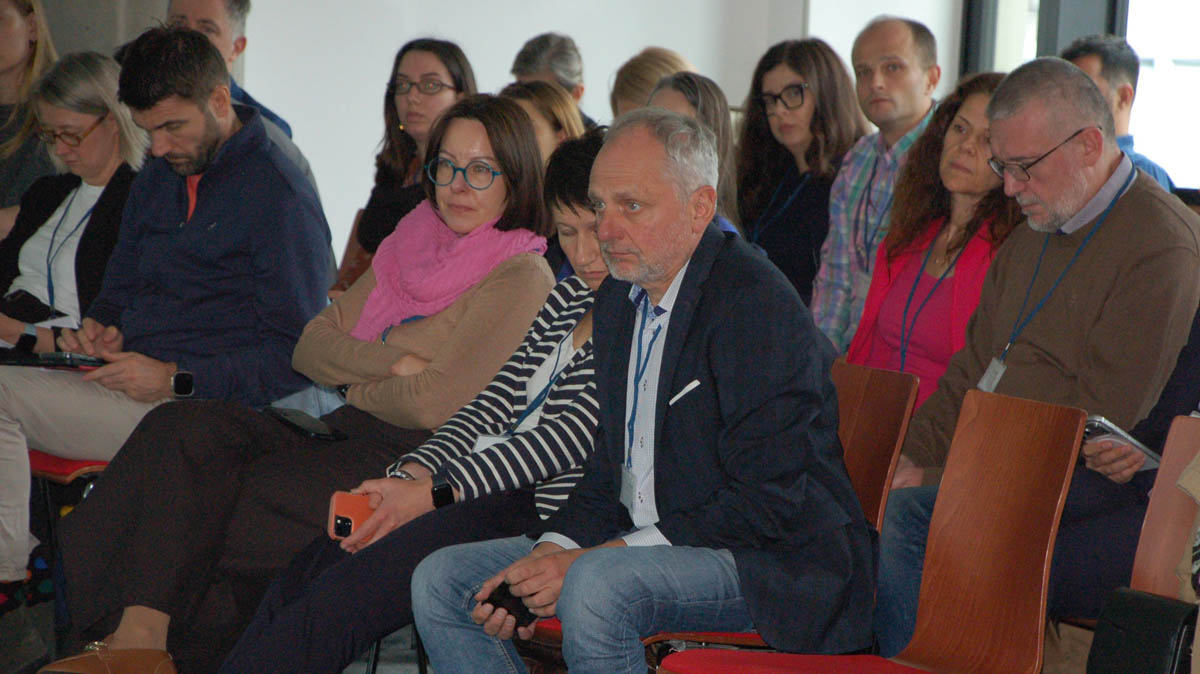
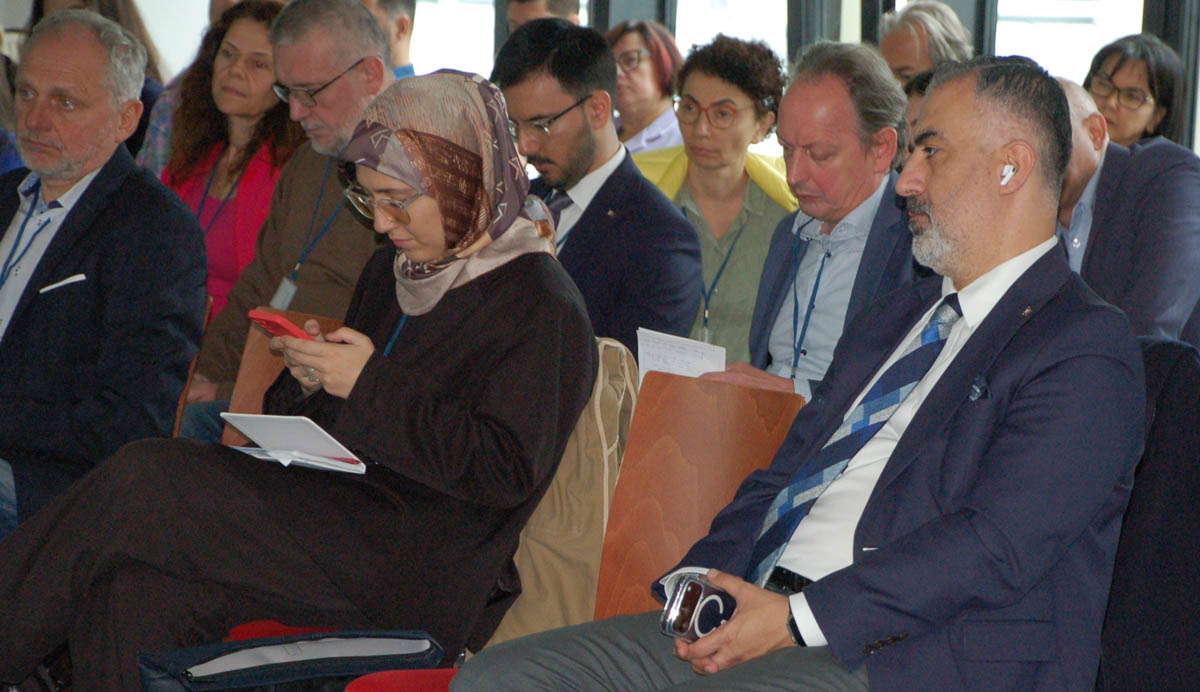
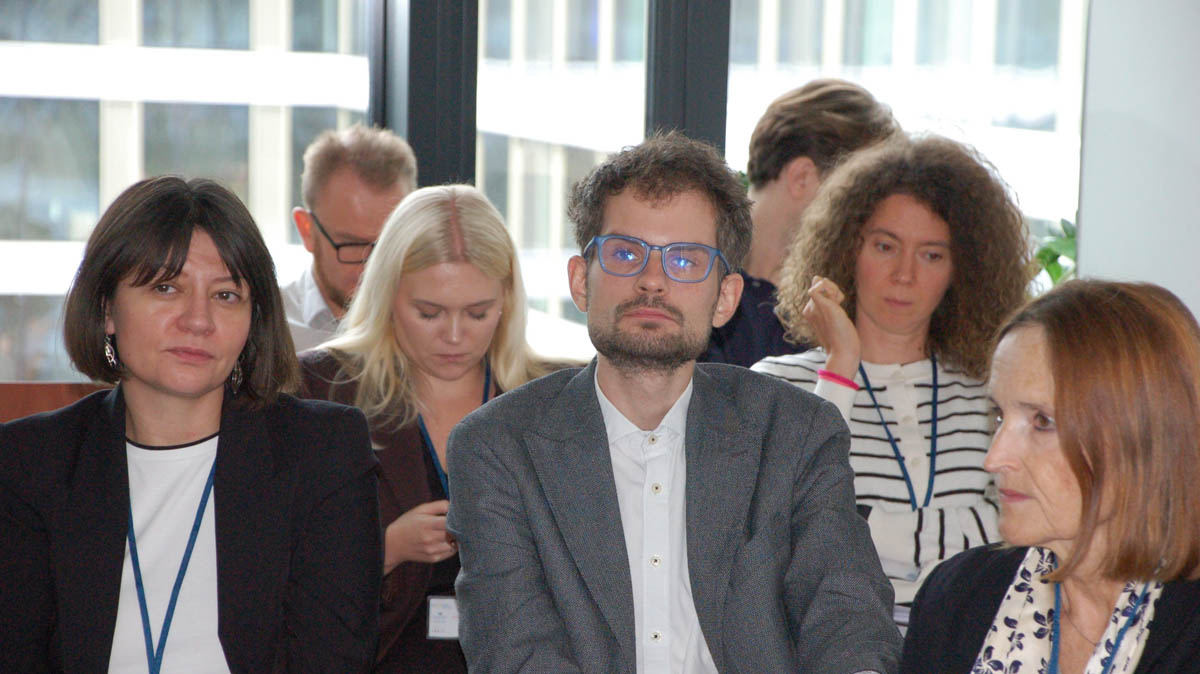
The event brought together researchers and analysts from outside the region as well, representatives of the European Commission, the World Health Organisation, the OECD and the Campaign for Tobacco-Free Kids, as well as public policy makers and customs officials from many European countries.
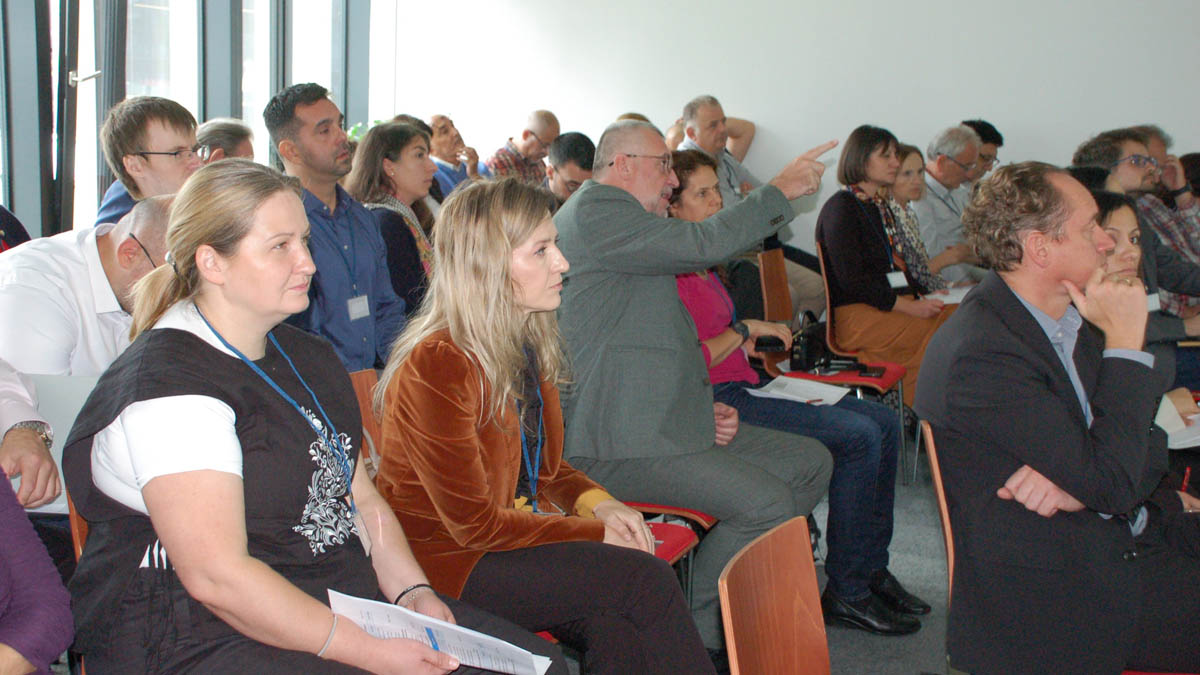
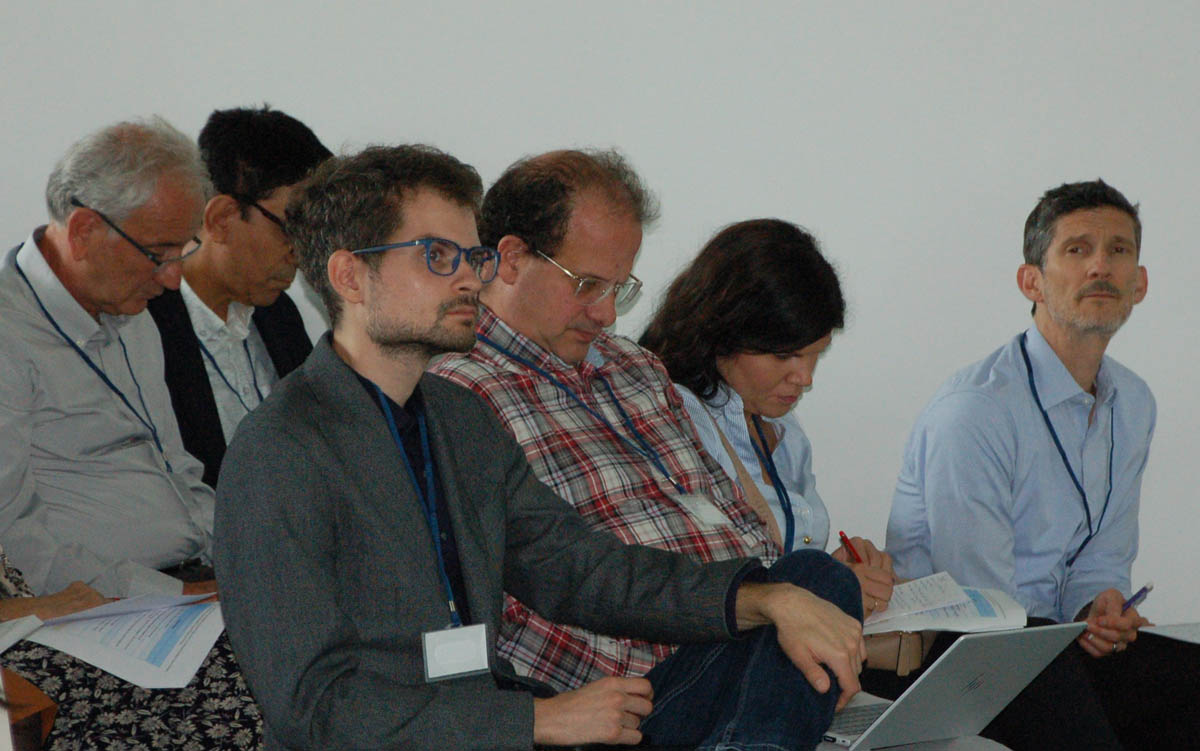
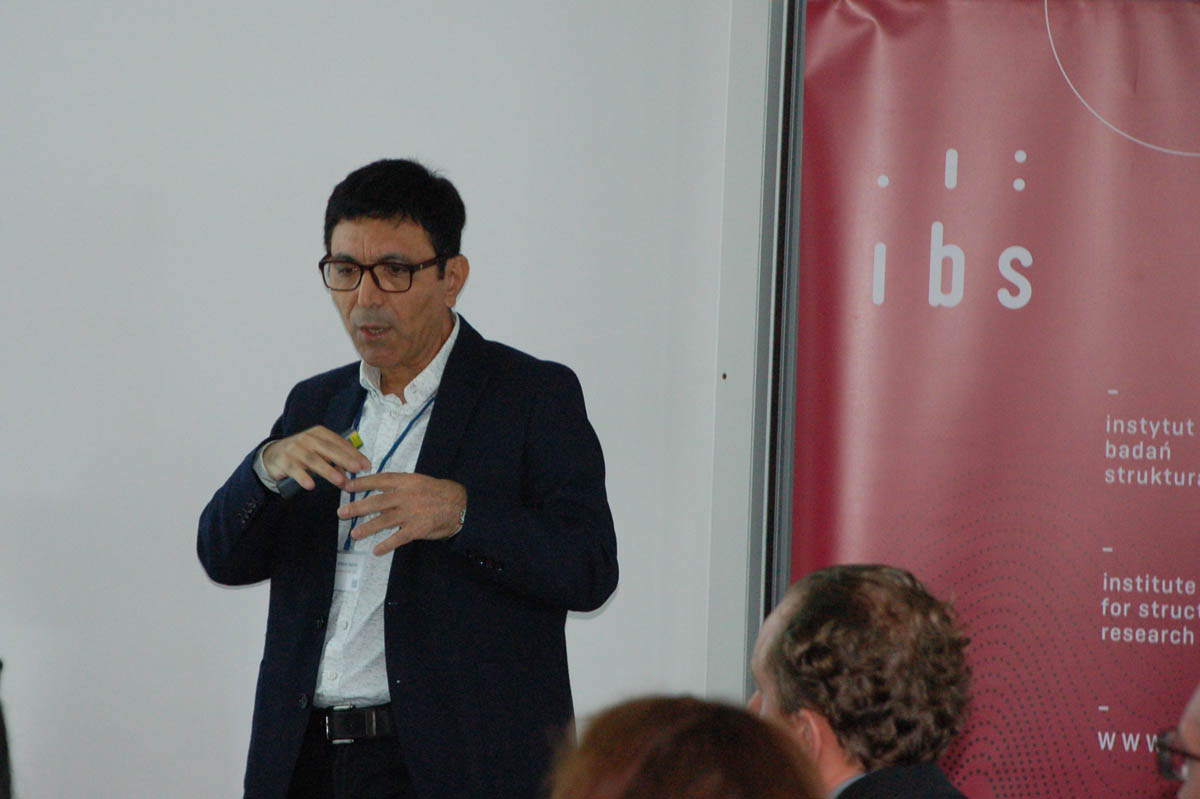
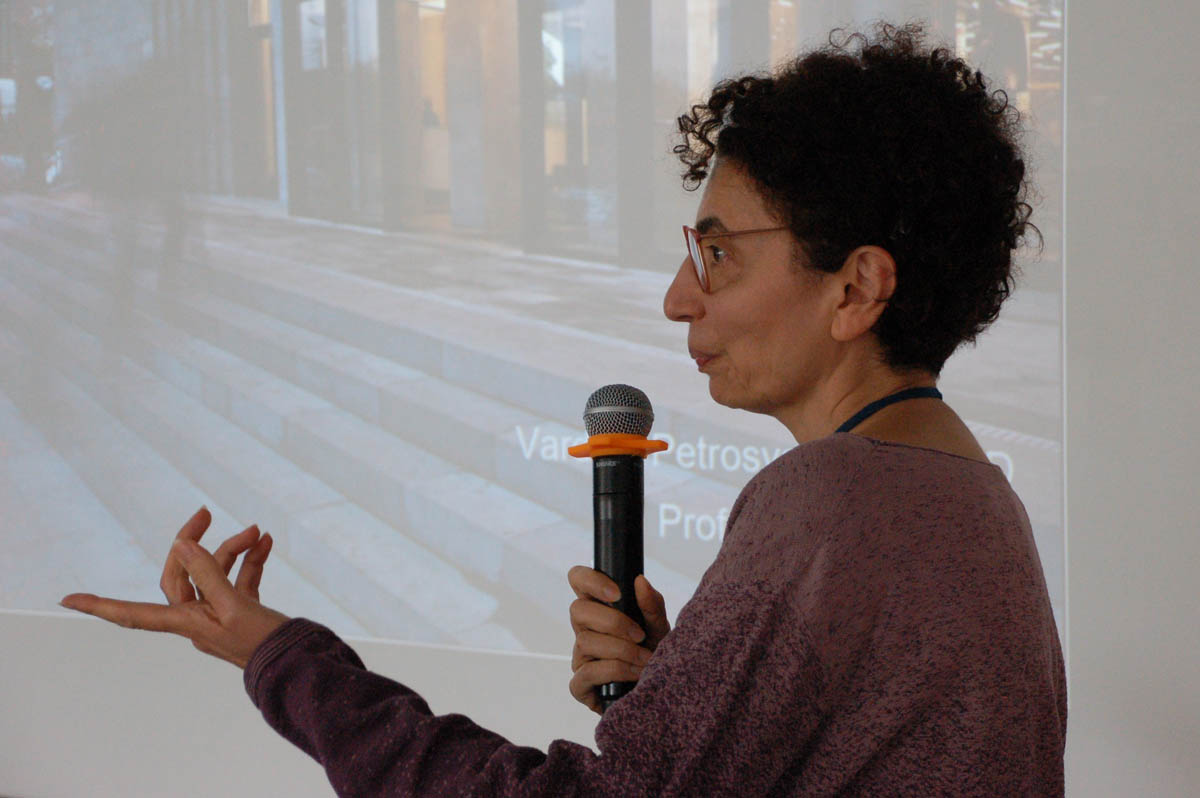
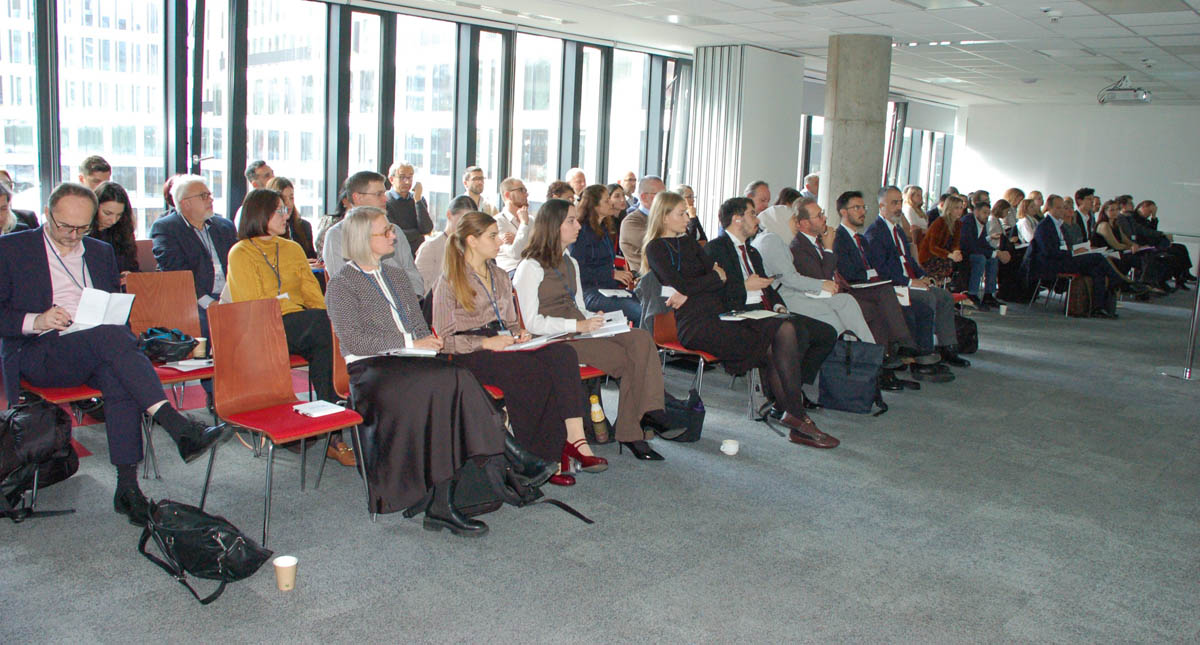
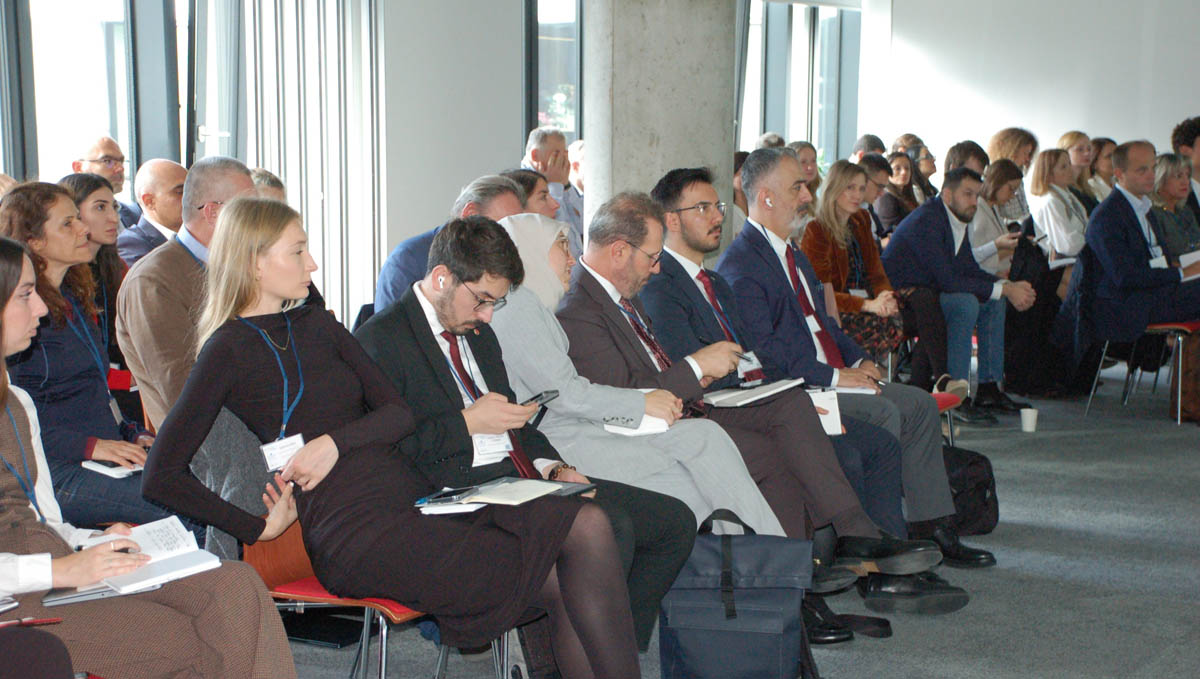
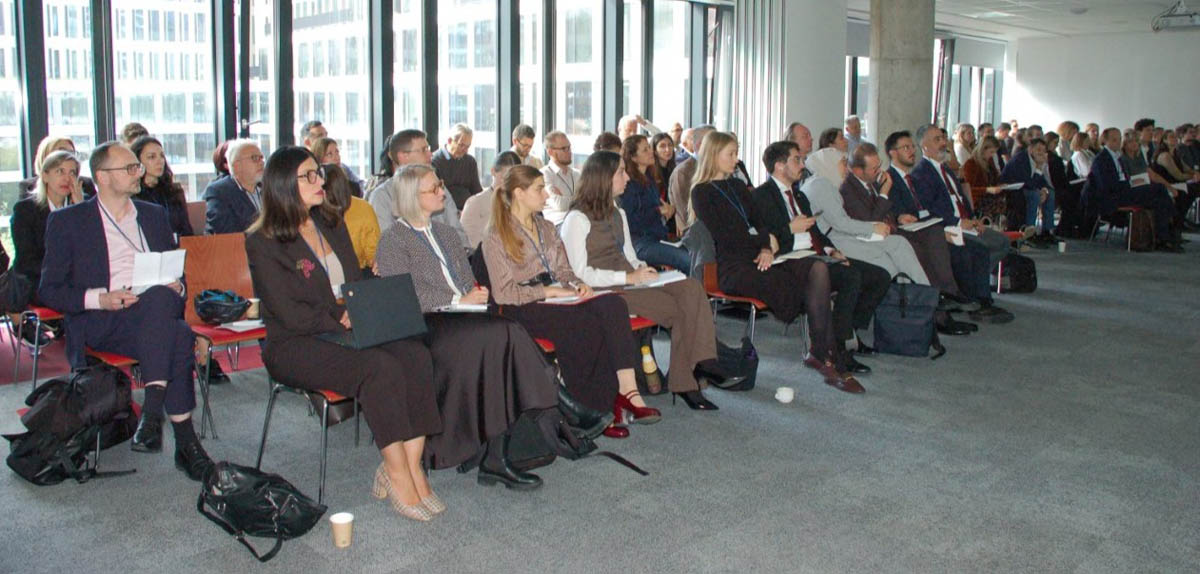
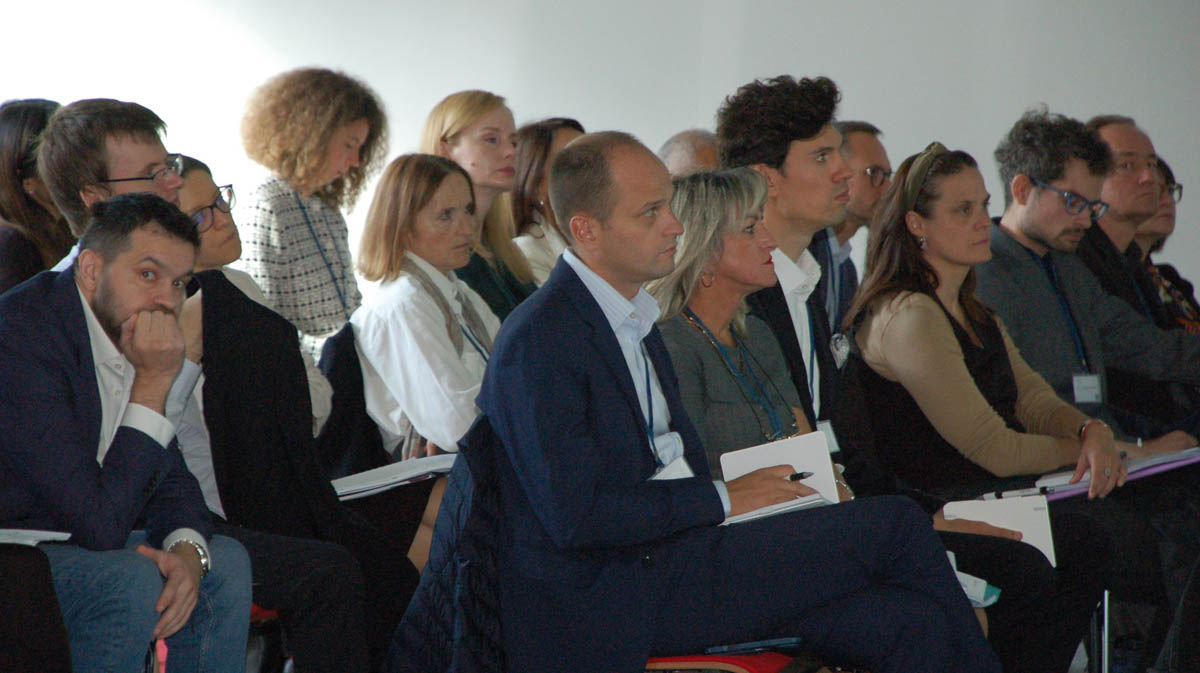
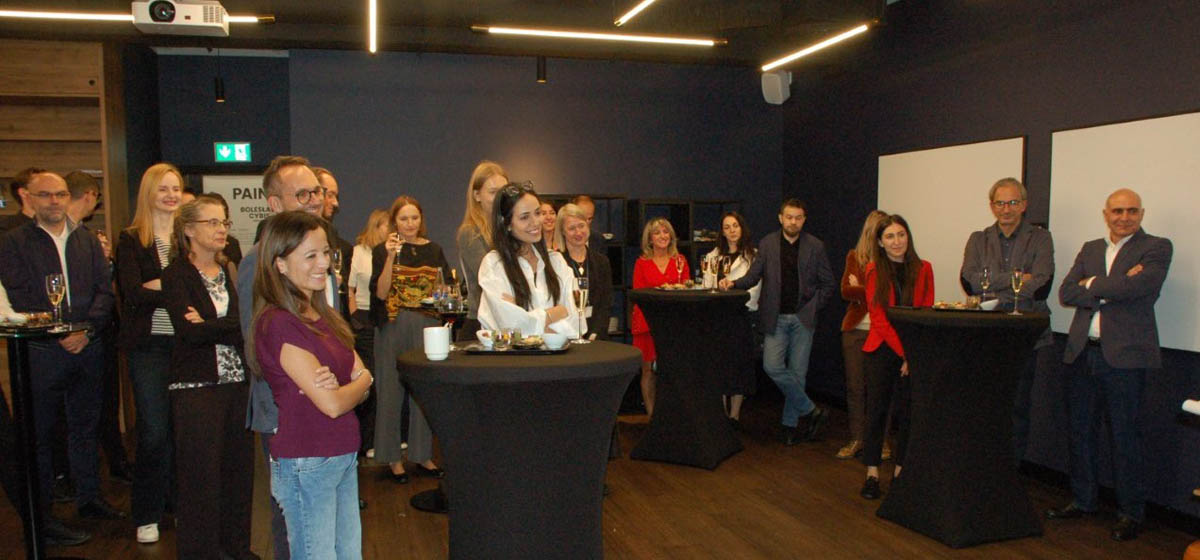
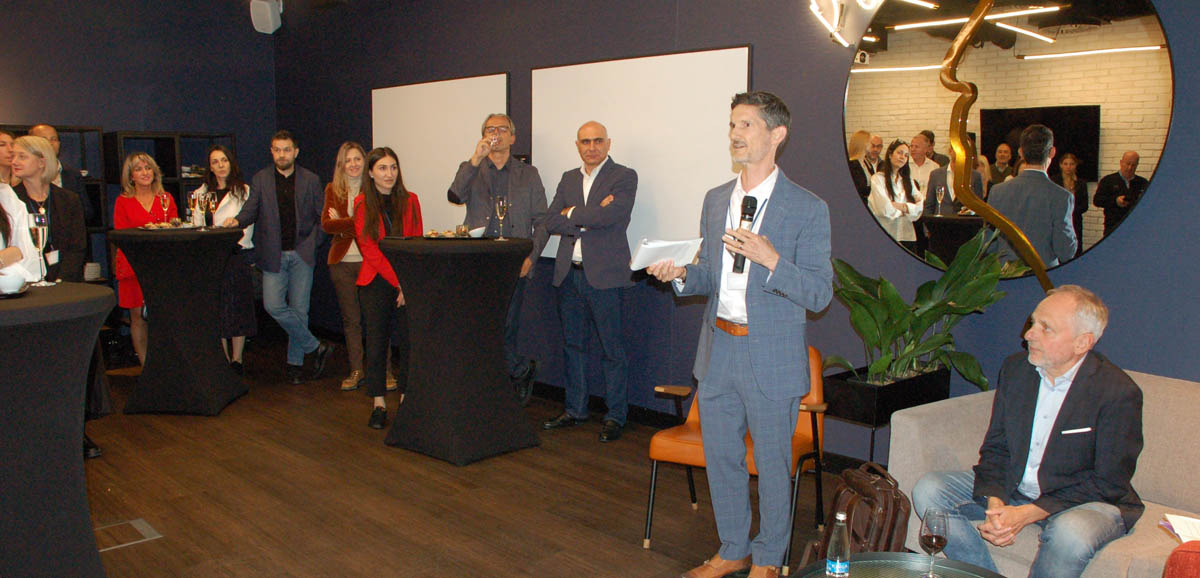
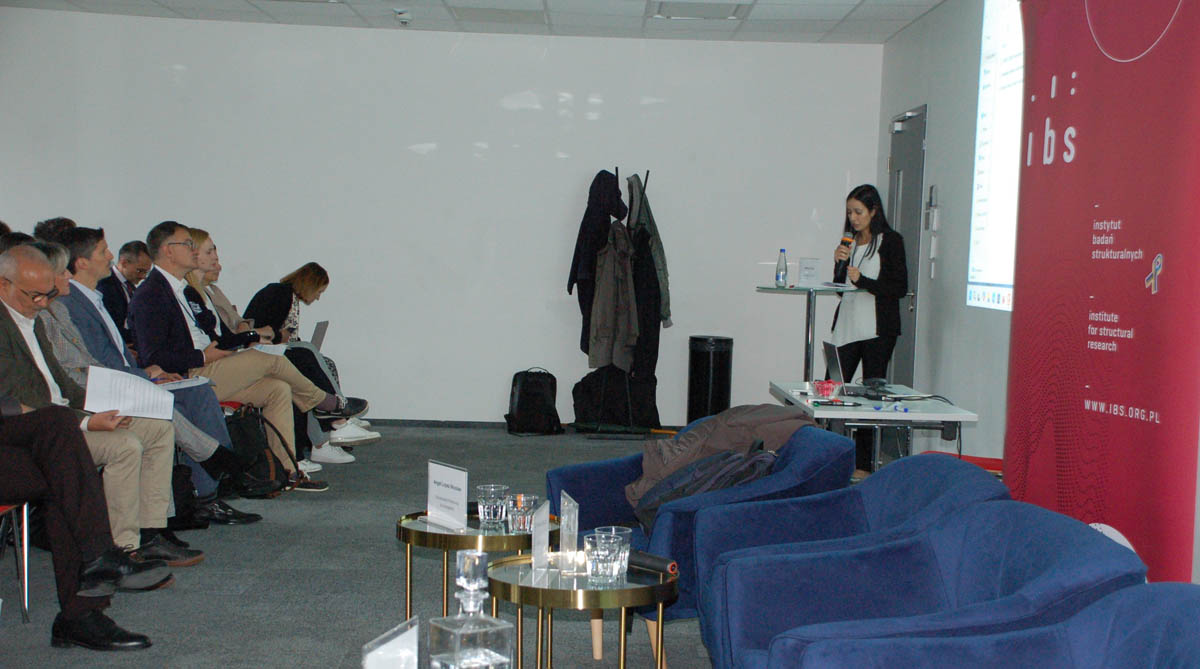
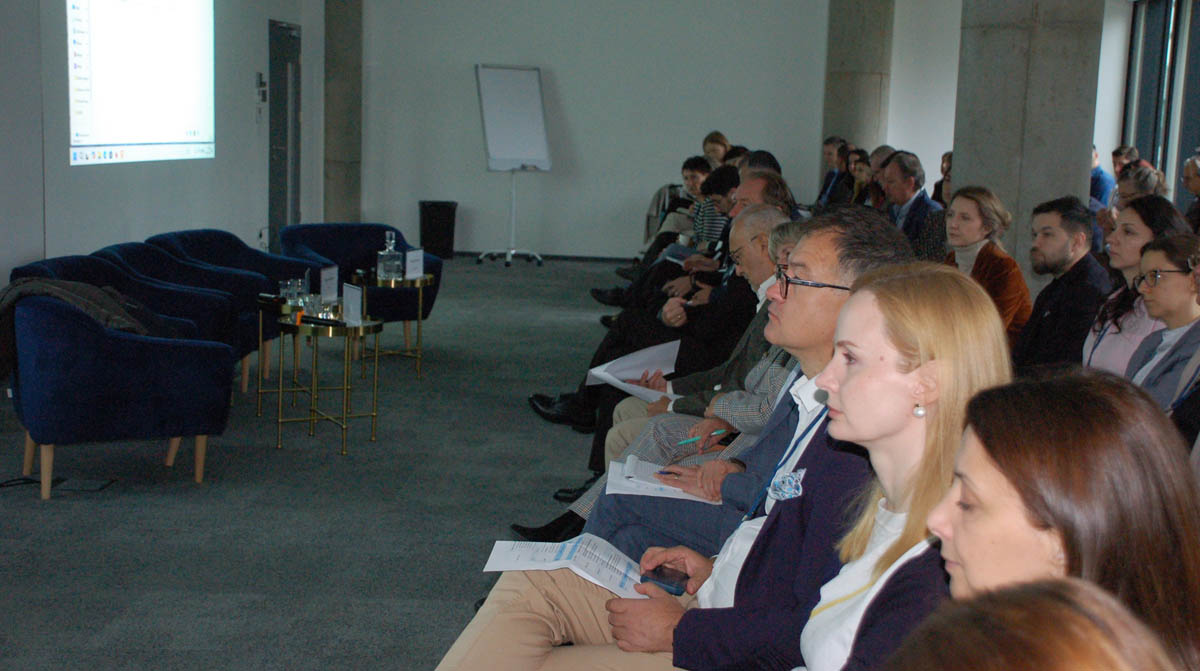
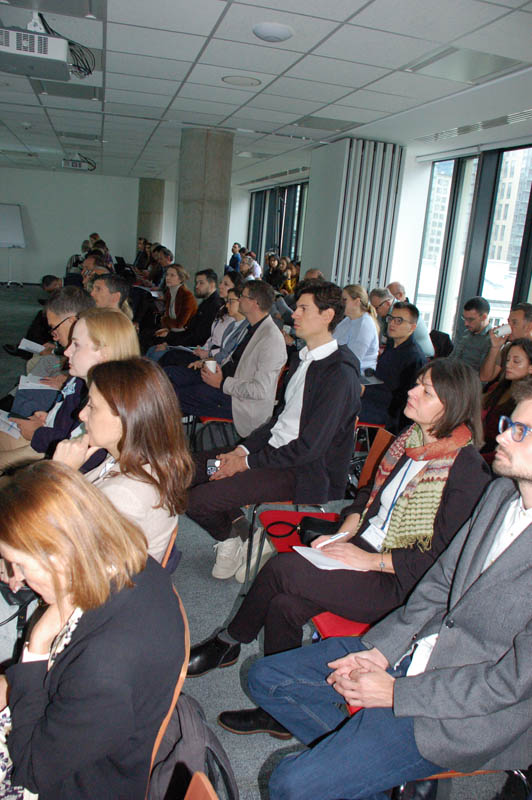
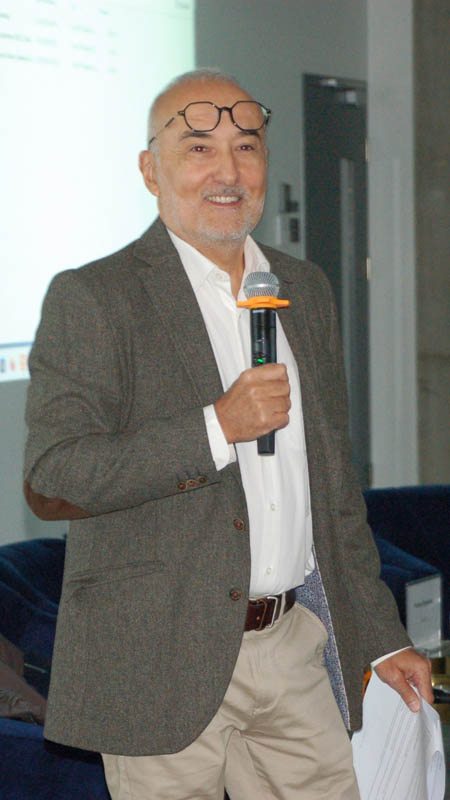
Please take a look at the photo gallery from the whole event.