Second LOCATEE stakeholder workshop in Rumia

June 22 2026
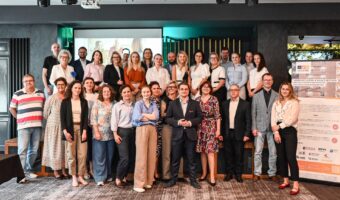
On 19 June 2026, the second local workshop of the LOCATEE project in Rumia brought together representatives of the public, private, non-governmental, and housing sectors.

On 19 June 2026, the Second Round Table on Energy Efficiency and Energy Poverty was held in Rumia as part of the LOCATEE Project. The event, organised by the City of Rumia, attracted more than 30 participants interested in the social and technical challenges of private multi-apartment buildings. Participants included municipal officials, housing cooperative boards, property managers, homeowners’ associations, local councillors, neighbouring municipalities, the district heating company, financial institutions supporting building renovation, social welfare services, and NGOs. On behalf of the Municipality of Rumia, the event was organised by Marzena Pranga-Cyman, Ewa Lenczowska, Alina Labudda and Alicja Wiczling, while Jan Frankowski, Aleksandra Prusak and Joanna Mazurkiewicz from IBS supported its preparation and facilitation.

The first part of the workshop featured presentations by invited speakers, including the latest findings from the LOCATEE Project. The key messages included:

  • Rumia has an ageing stock of multi-apartment buildings. About one-quarter of residents received energy allowance, while 7% received social assistance in 2024. As part of the project, 45 buildings were identified as being at the highest risk of energy poverty (Jan Frankowski, IBS);
  • Carrying out an energy audit is highly recommended, as it is required for most preferential funding schemes, including those supported by Pomeranian Development Fund (Robert Śpiewakowski, Regional Fund for Environmental Protection and Water Management in Gdańsk);
  • Renovation projects should be complemented by measures that improve residents’ comfort and the overall appearance of buildings, as this increases public acceptance and engagement (Konstancja Ziółkowska, Forum Energii).
  • Thermomodernisation and renovation bonuses remain the most attractive financial instruments available through commercial banks (Monika Ciechomska, Bank BNP Paribas);
  • A highly effective intervention is the balancing, venting, and flushing of a building’s heating system, which can substantially reduce energy losses (Łukasz Białopiotrowicz, OPEC district heating company);
  • The energy transition should primarily take place at the energy supply source, as this is considered the most socially equitable approach and should be the first priority for public investment (Zbigniew Antochowski, Janowo Housing Cooperative).

During the interactive workshop session, participants mapped areas where social and housing-related challenges overlap, drawing on their local knowledge. They also discussed the main barriers to renovation investments identified throughout the LOCATEE project. In Rumia, participants highlighted the following obstacles:
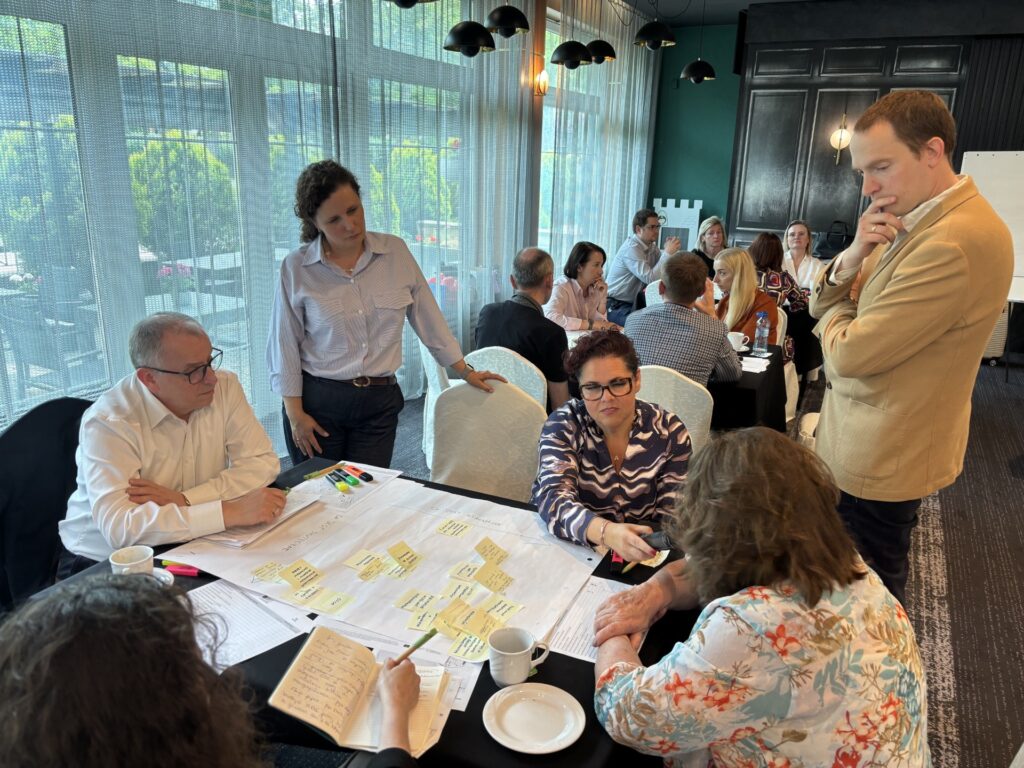
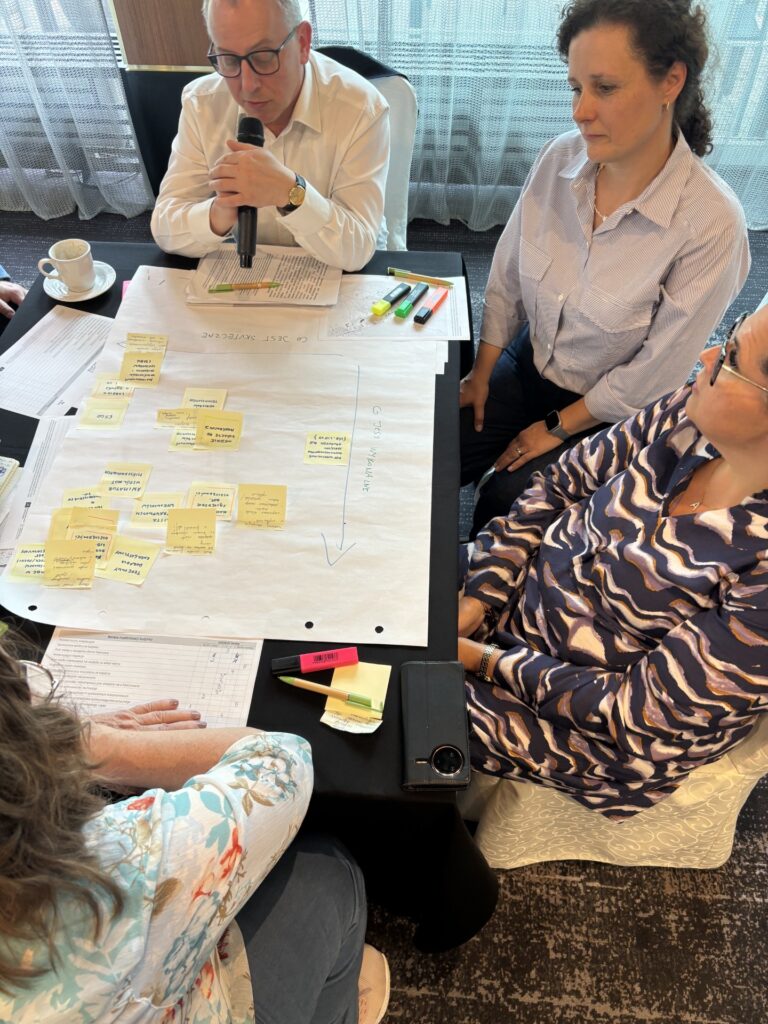
  • the lack of sufficiently attractive financial support currently available on the market;
  • difficulties in collective decision-making within homeowners’ associations;
  • regulatory and economic uncertainty, affecting investment decisions, expected returns, and access to financing.

The second workshop session focused on identifying which municipal interventions targeting private multi-apartment buildings are both effective and feasible. Participants agreed that the following measures have the greatest potential:

  • establishing a local contact point providing renovation advice, model documents, and information on available funding opportunities;
  • appointing a facilitator or mediator to support homeowners’ associations in decision-making processes;
  • implementing large-scale information campaigns on available financial support.

One particularly engaging discussion concerned whether municipalities should recommend reliable building contractors. While many residents see such recommendations as desirable and helpful, local authorities also recognised the potential risk of compromising their impartiality.

The workshop helped consolidate local knowledge of areas affected by energy poverty while providing valuable insights into stakeholders’ expectations regarding the future one-stop shop and the LOCATEE Energy Poverty Monitoring System.

The event was organised as part of the LIFE LOCATEE project, co-funded by the European Union through the LIFE Programme.

Projects related to this news:
Newsletter
We value your privacy
Cookie settings
Some cookies are necessary for the proper operation of our site. We also encourage you to agree to the use of analytical tool cookies. They allow us to continuously improve the site. You can find more information in the Privacy Policy. More.
Customize Reject all Accept all
Cookie settings
Customize settings
"Necessary" cookies are required for the operation of the site. Consent to the other categories, will help us improve the operation of the site. Third-party companies, such as: Google, also store cookies. For more information: data use and privacy. Cookies set by Google for logged in users.
Necessary cookies are required for the proper operation of the site.
Store the data of analytical tools such as: Google Analytics.
They store data related to the ad function.
Allows user data related to advertisements to be sent to Google

There is no cookies.

Allows personalized ads to be displayed

There is no cookies.

Save settings Accept all
Cookie settings
Skip to content