Study visit as part of the Nevi-Evy project. Exchange of experiences and the development of Job Crafting
March 9 2026
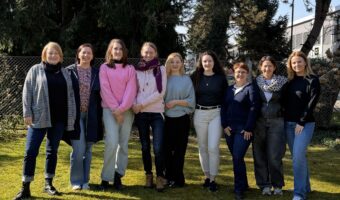
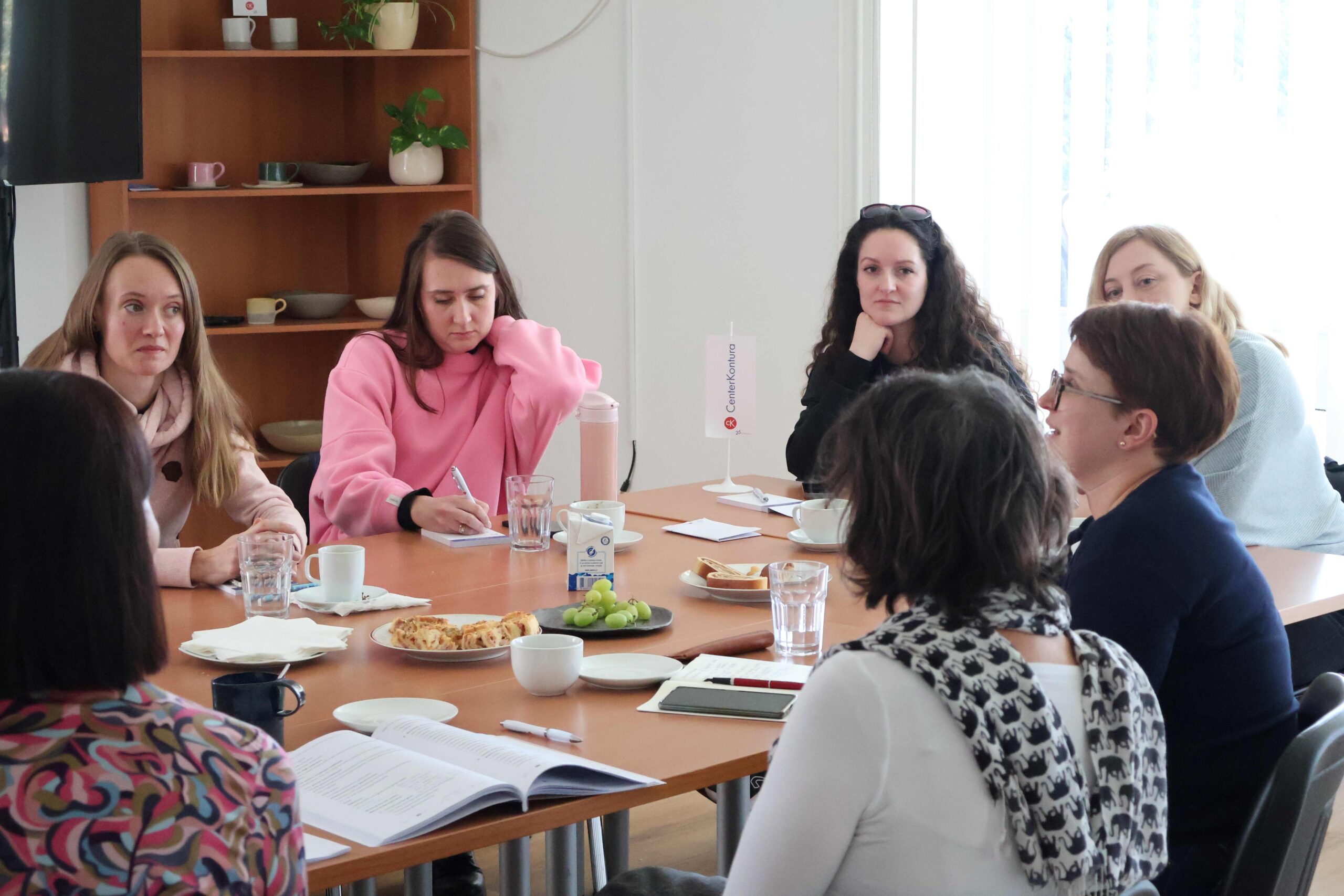
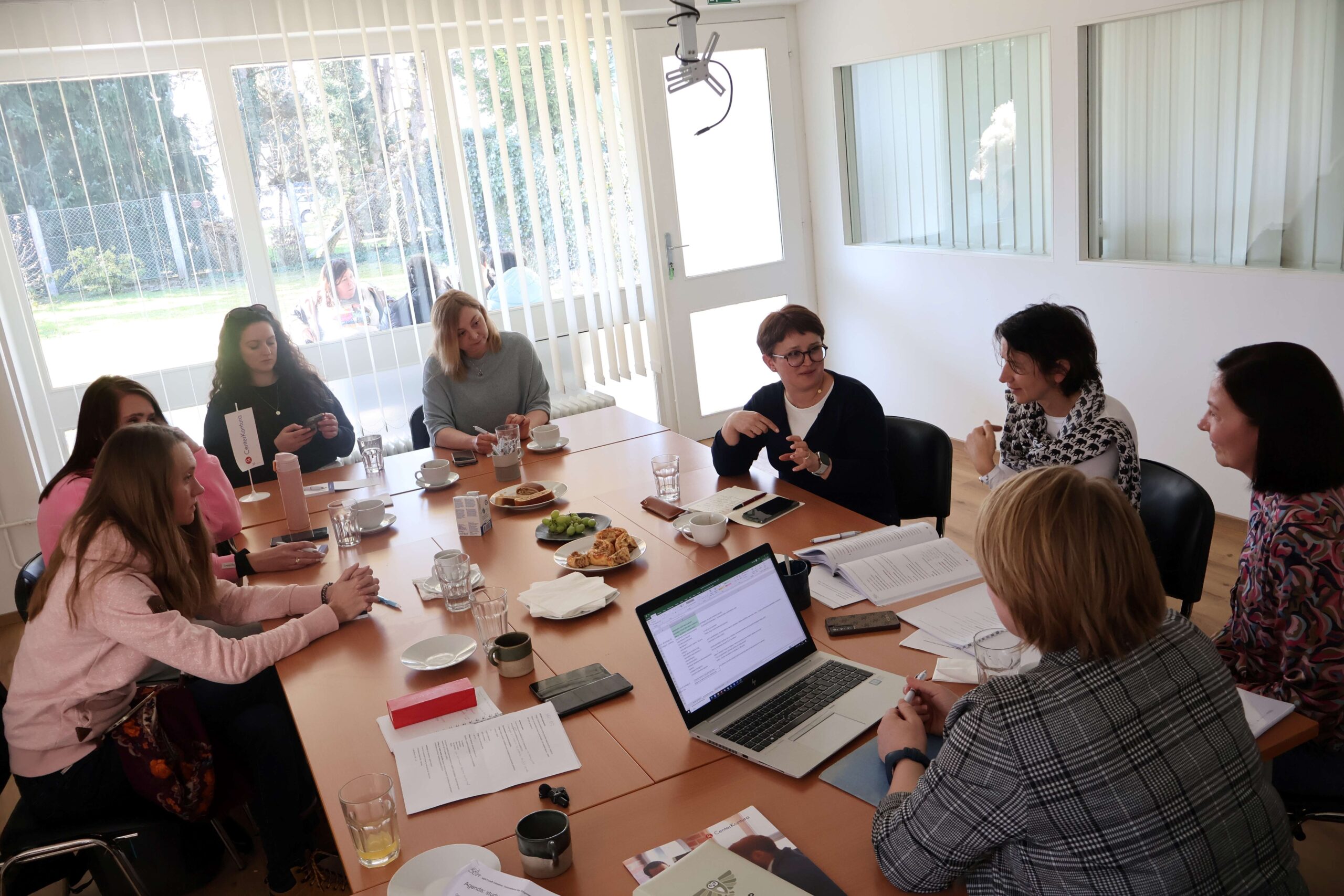
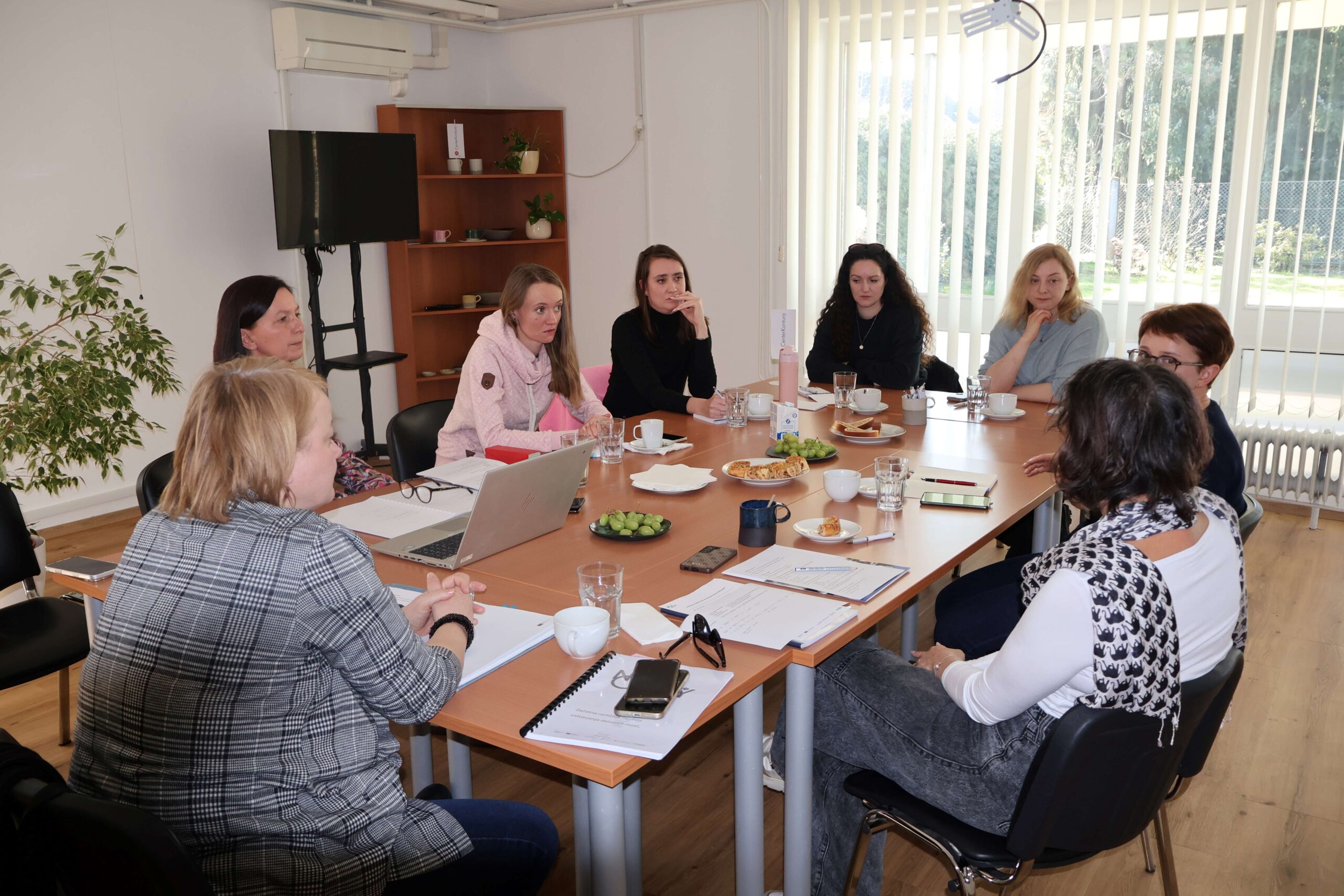
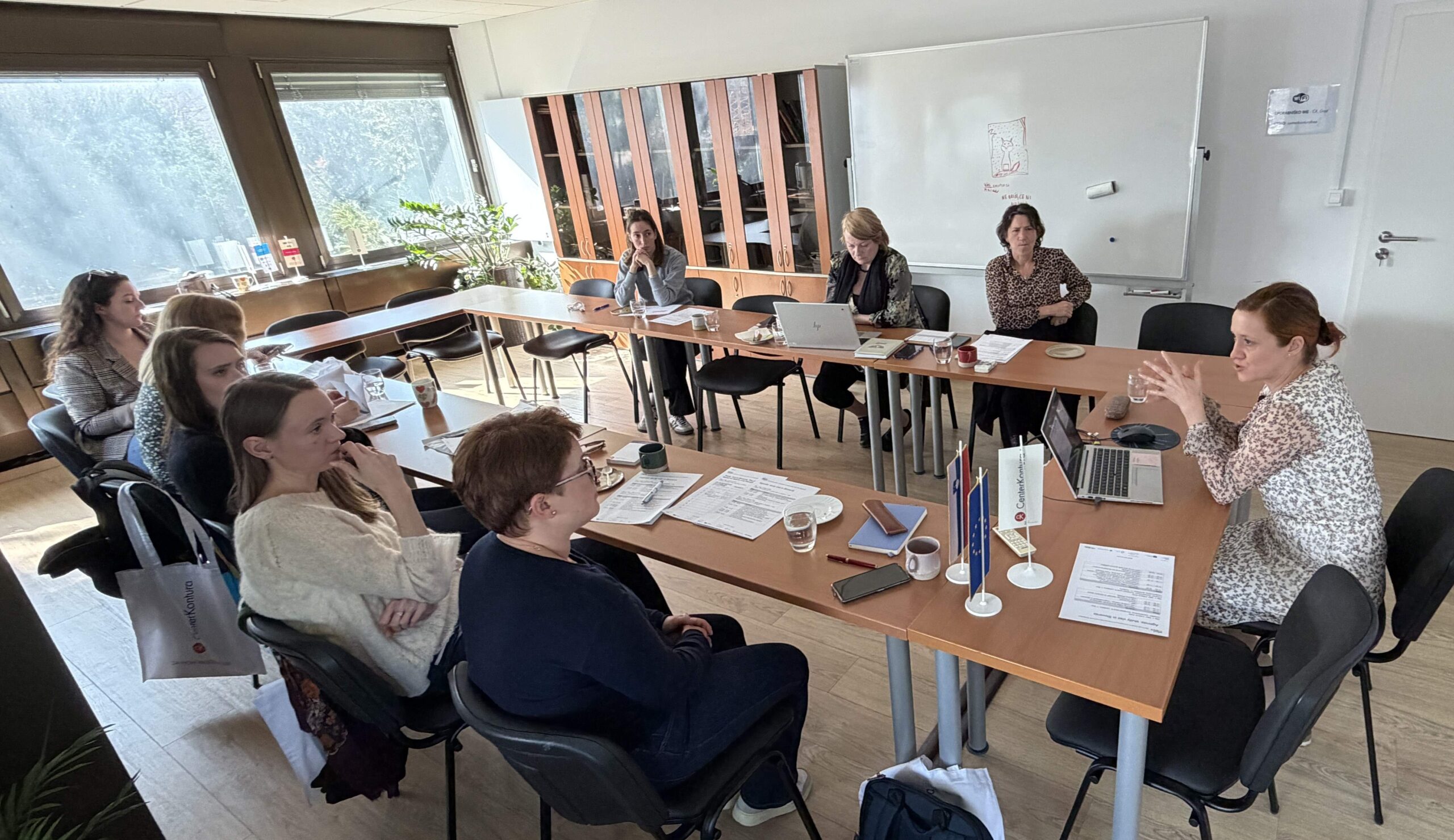
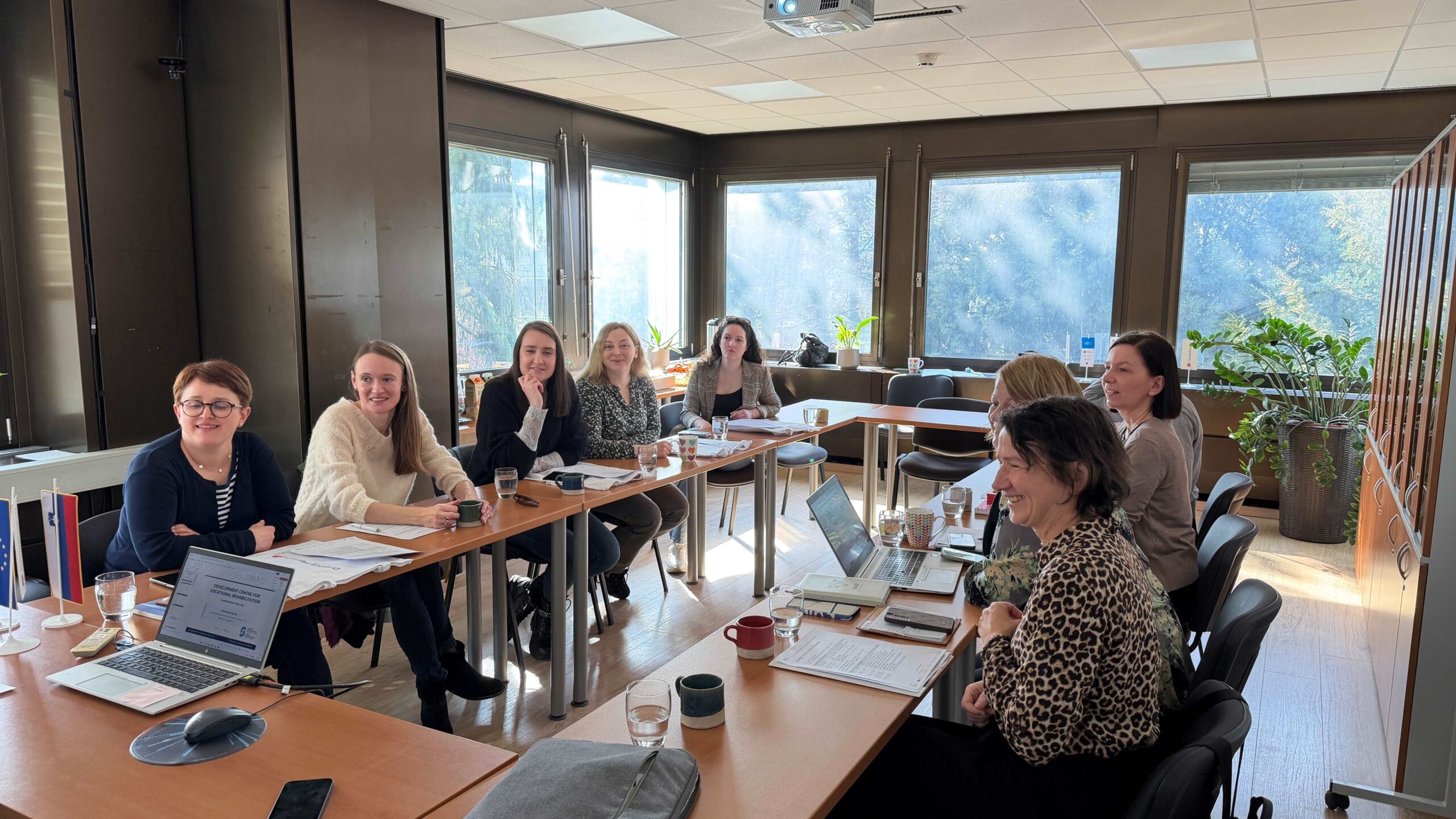
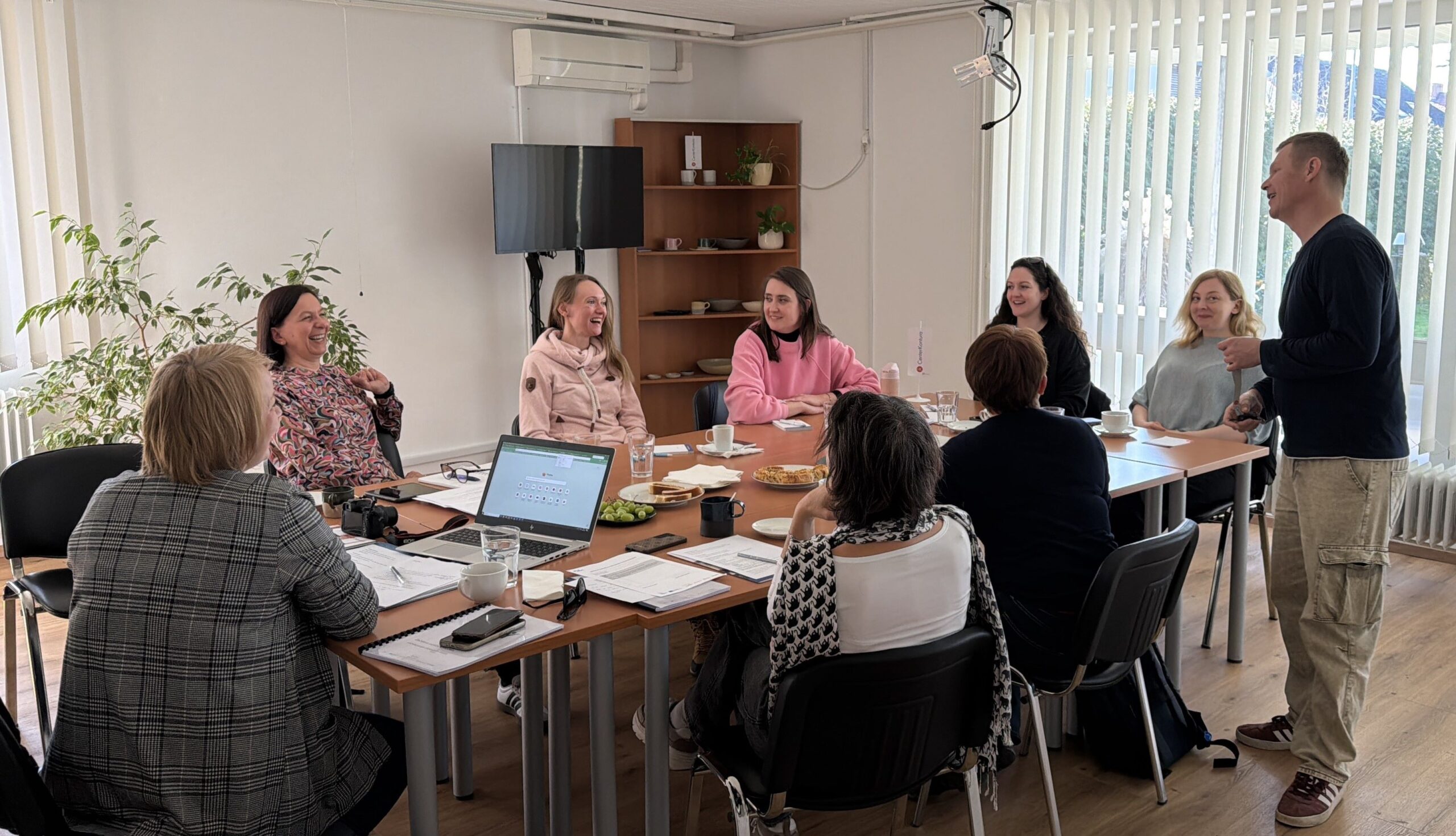
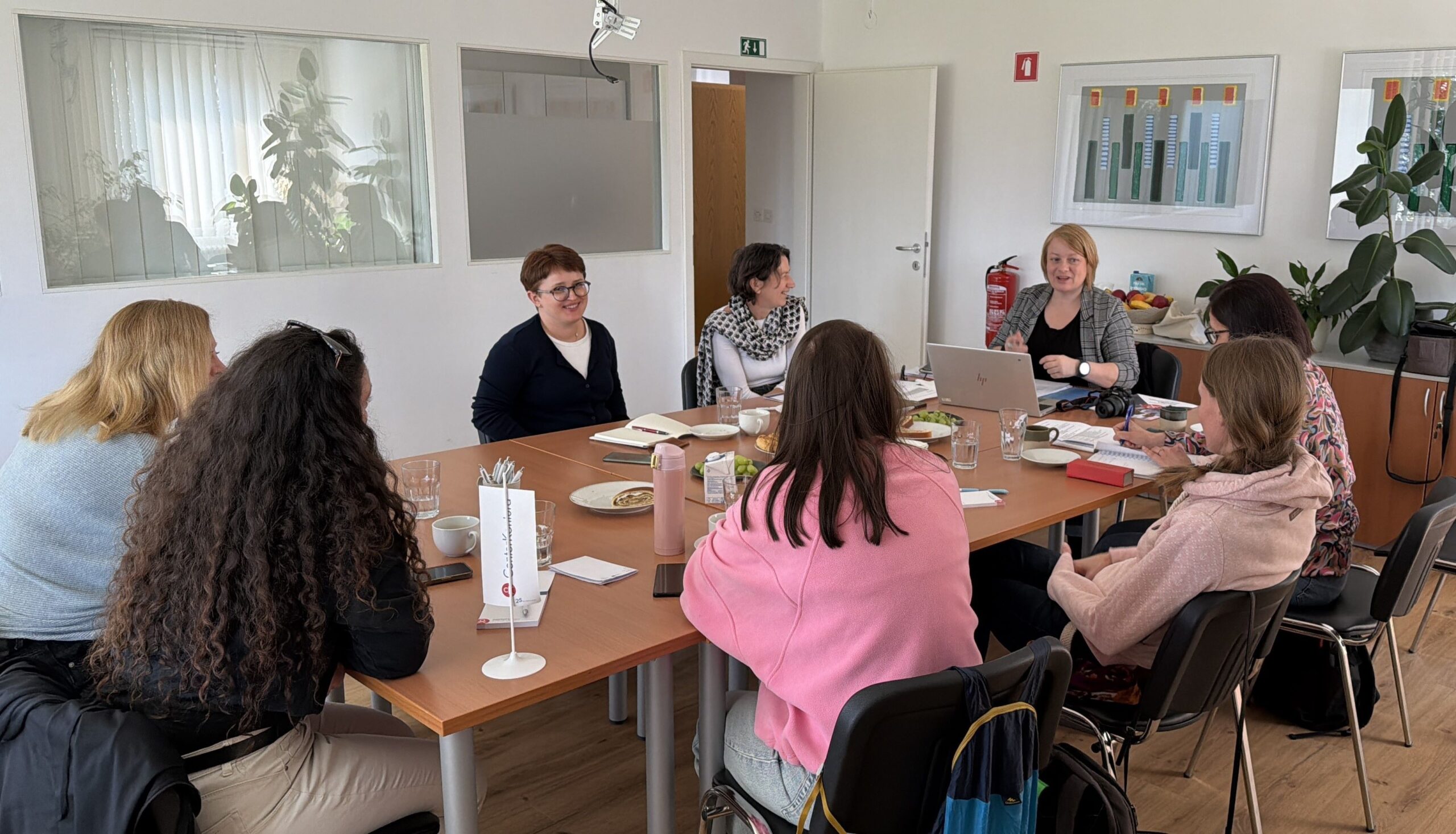
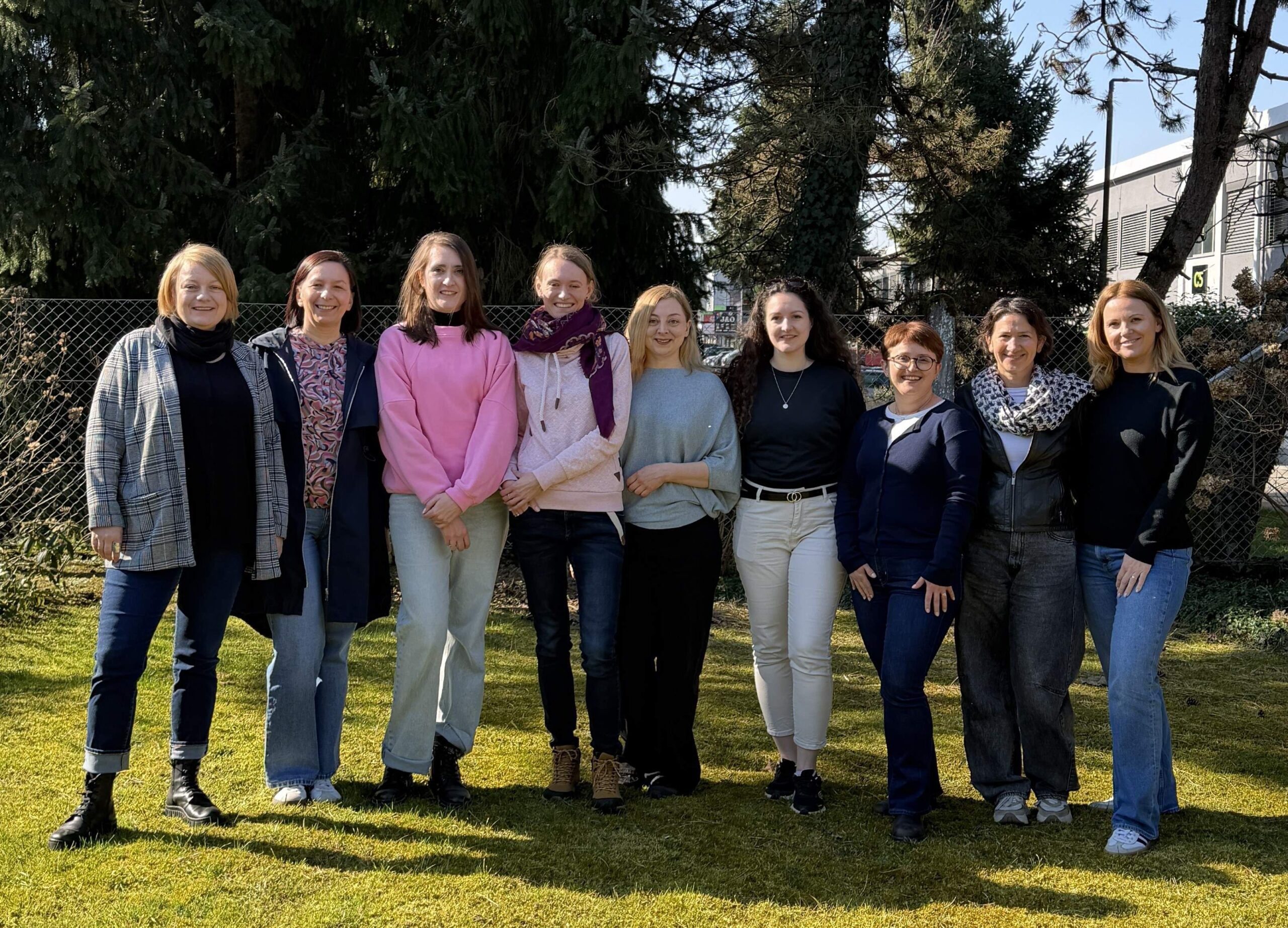
The main aim of the visit was to learn about the practical implementation of the Job Crafting model in the Slovenian context and to facilitate an exchange of experiences between the project partners. The meeting provided a space for in-depth discussions on adapting the model to various support systems for people with disabilities, and also enabled a better understanding of Centerkontura’s activities and the laying of foundations for further cooperation.
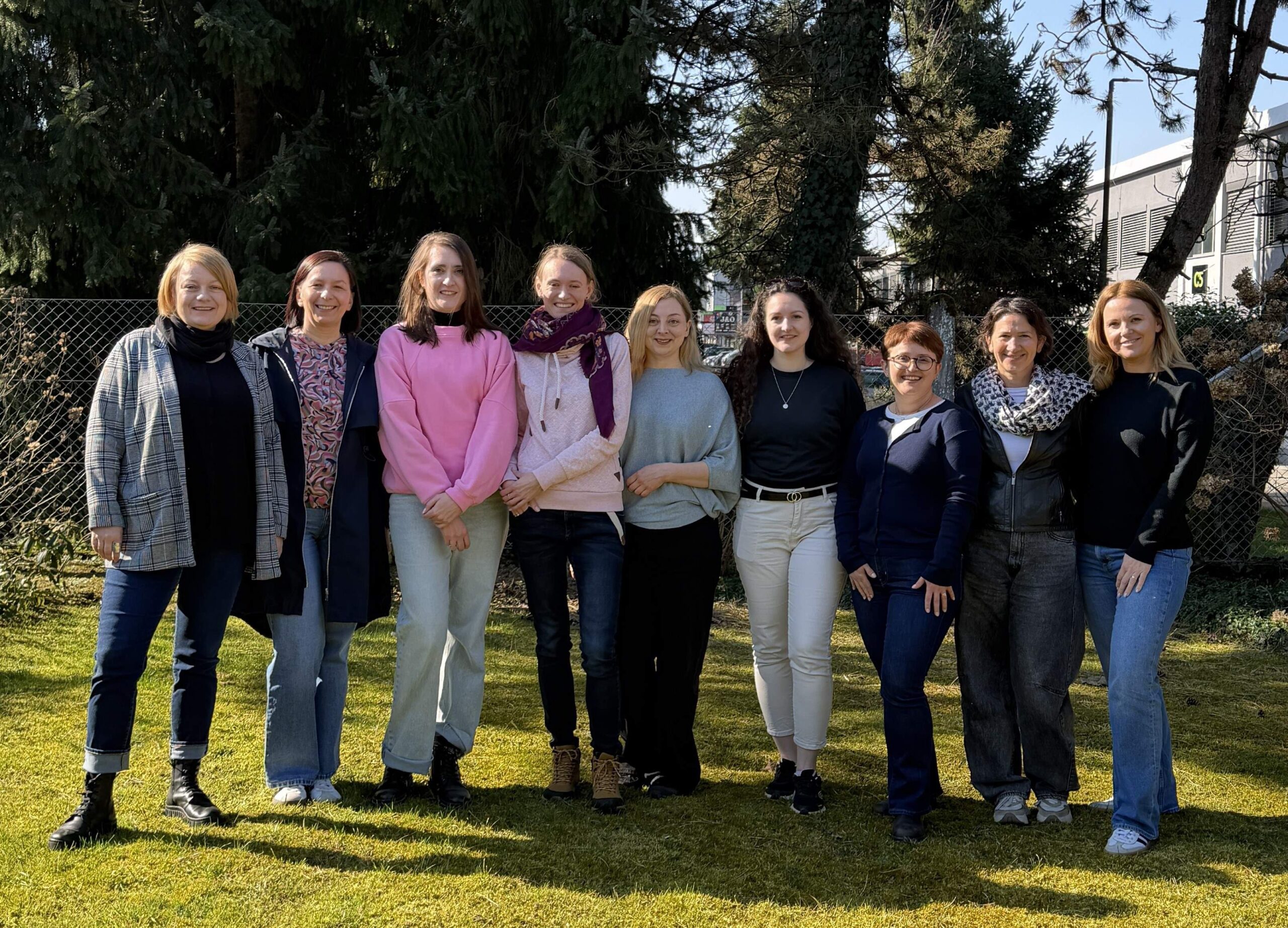
The visit was attended by Job Crafting experts, representatives of project teams from Poland and Slovenia, as well as institutions involved in vocational rehabilitation and support for people with disabilities.
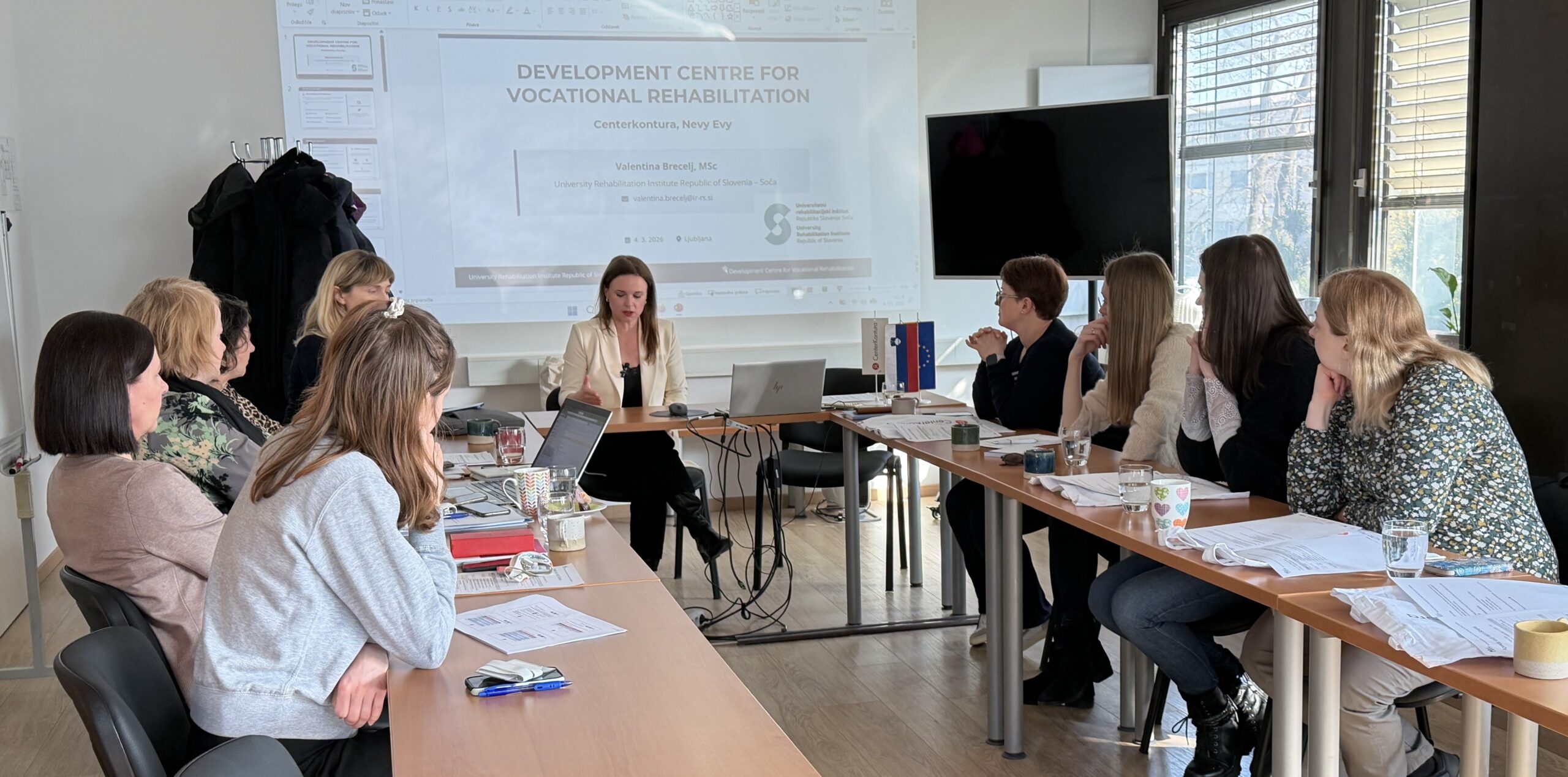
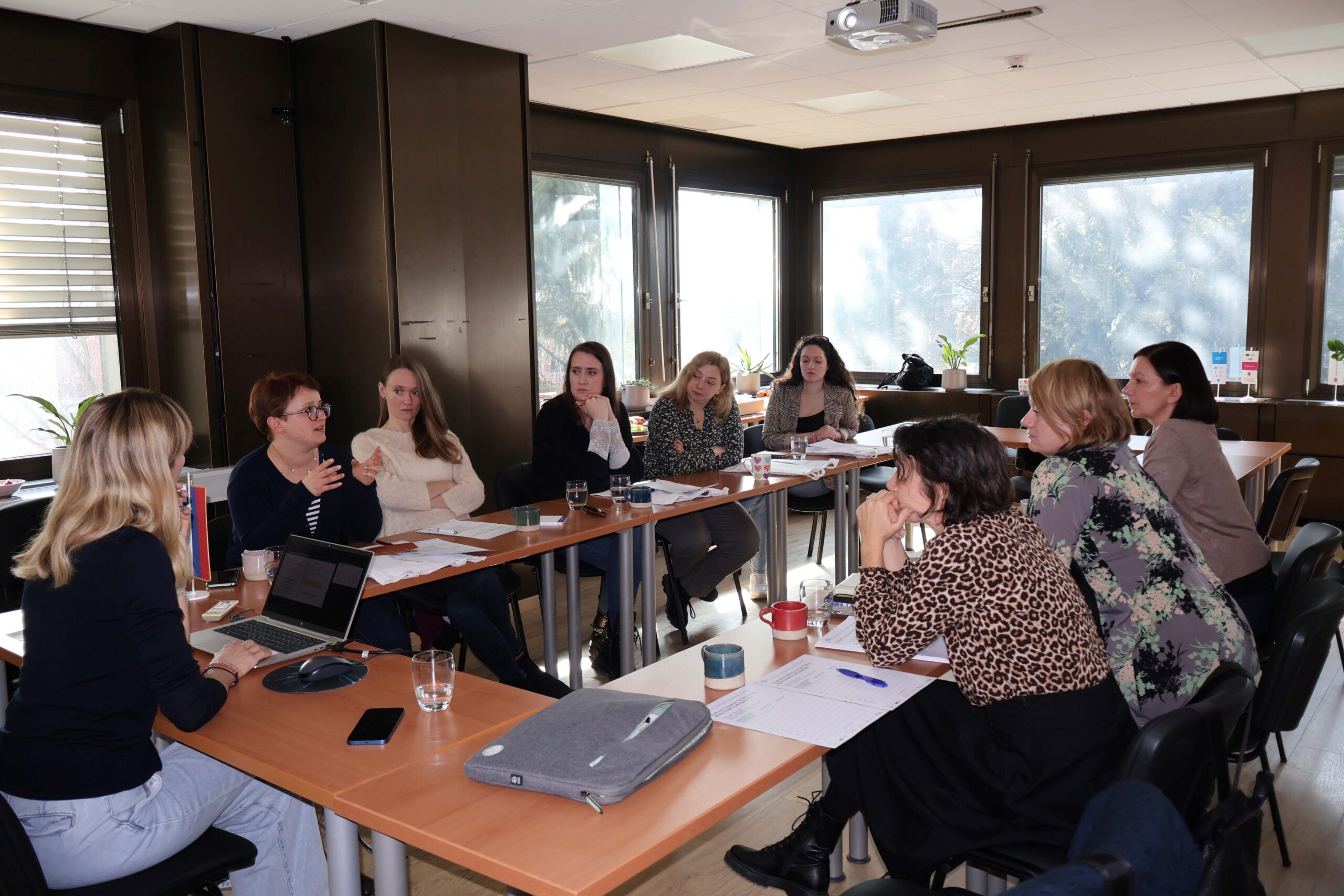
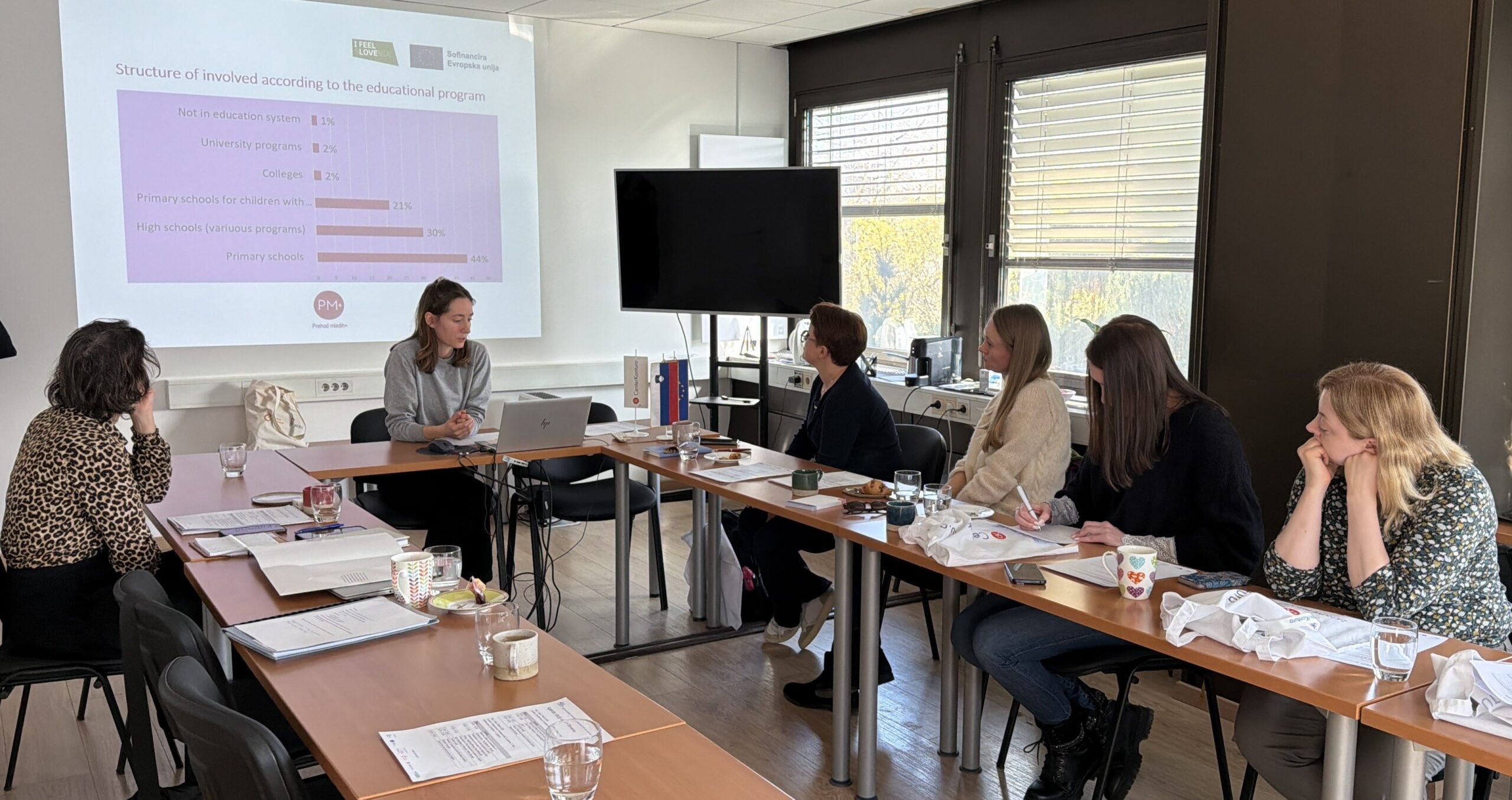
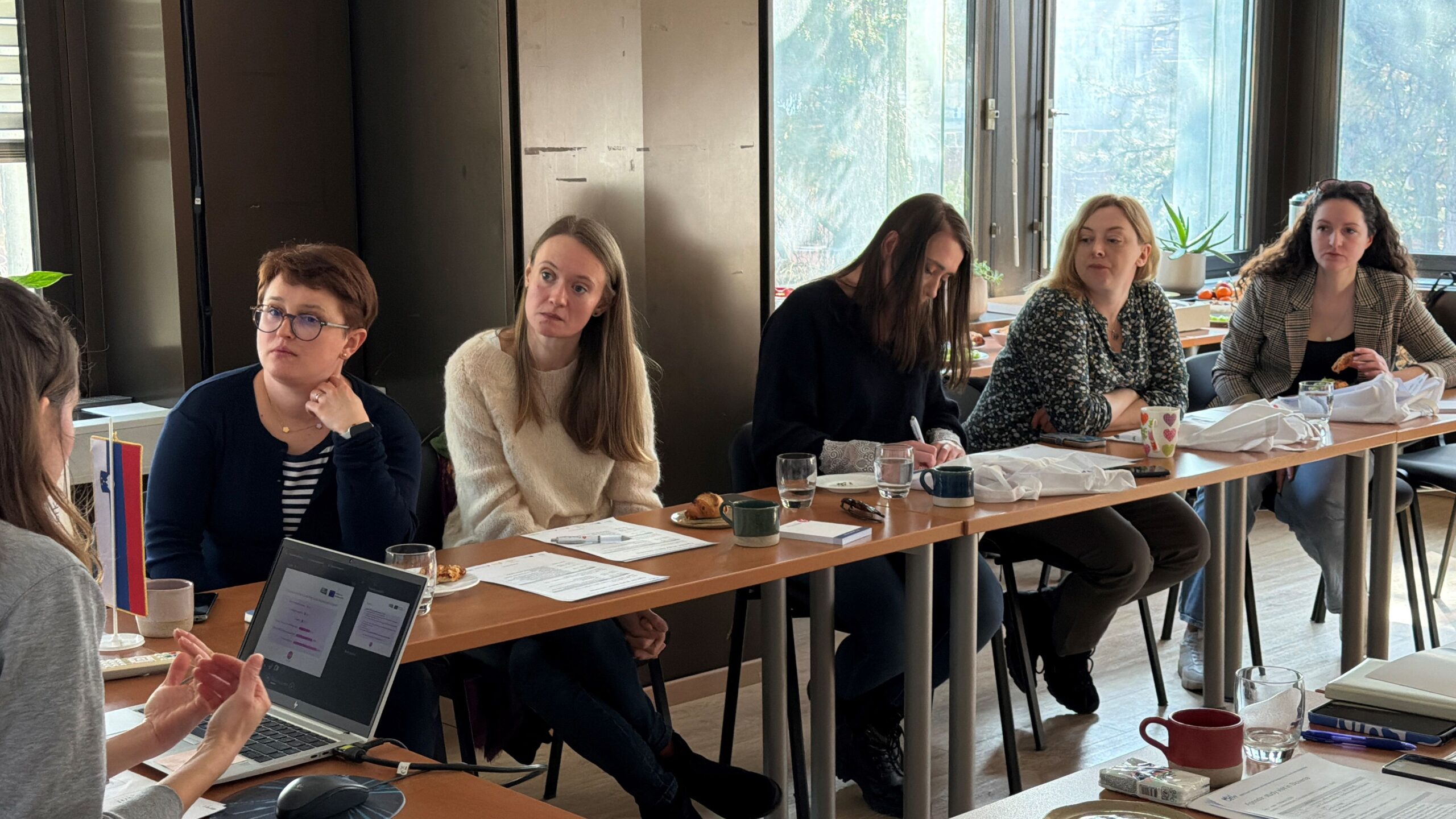
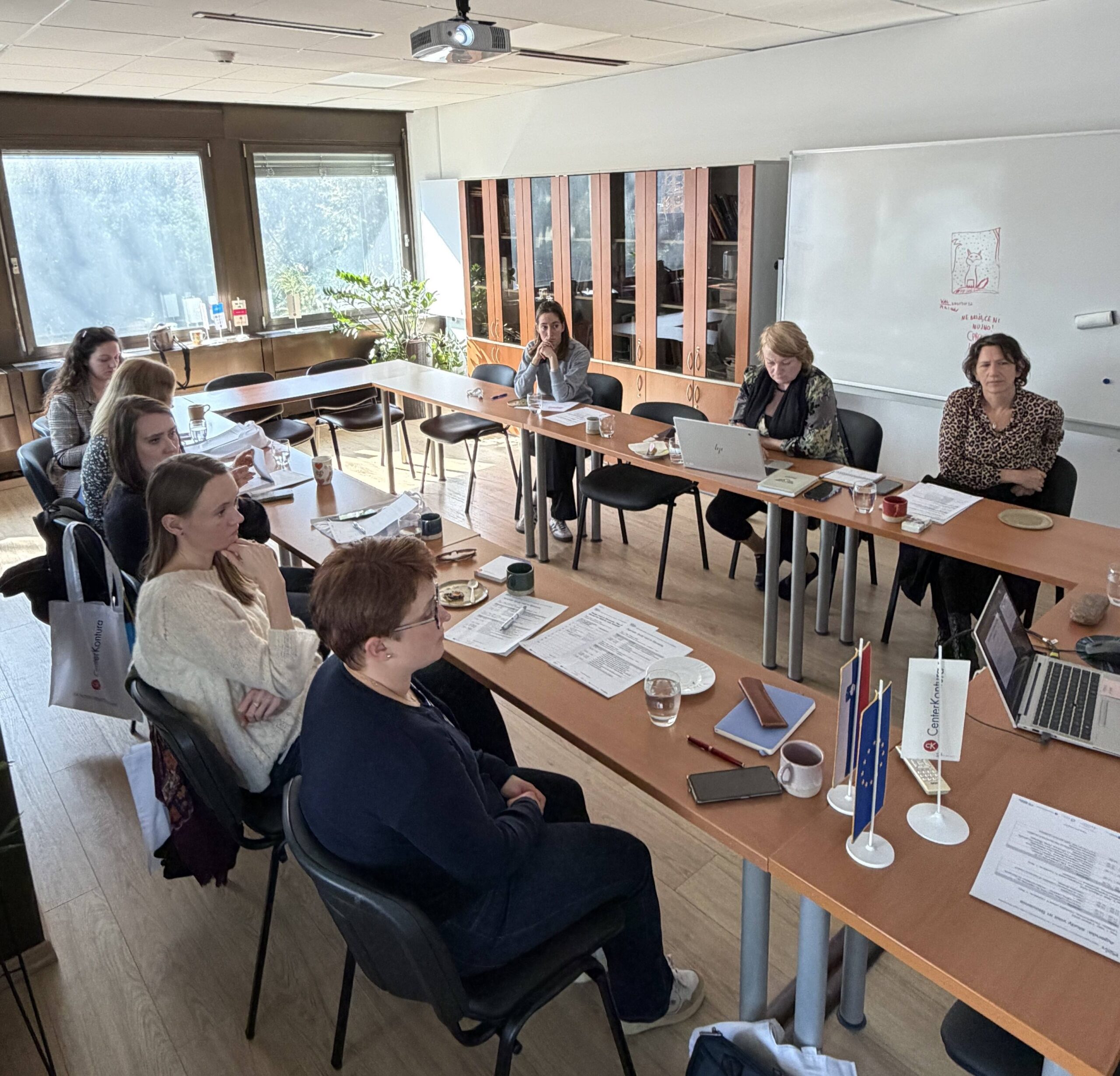
The first day of the visit took place at Centerkontura’s headquarters in Ljubljana and was devoted to analysing the implementation of the Job Crafting model in Slovenia. Participants discussed specific experiences related to recruitment and working with young people with disabilities.
An important part of the meeting was a discussion with a representative of the project’s advisory board, who brought an additional expert perspective to the discussion on the Job Crafting methodology.
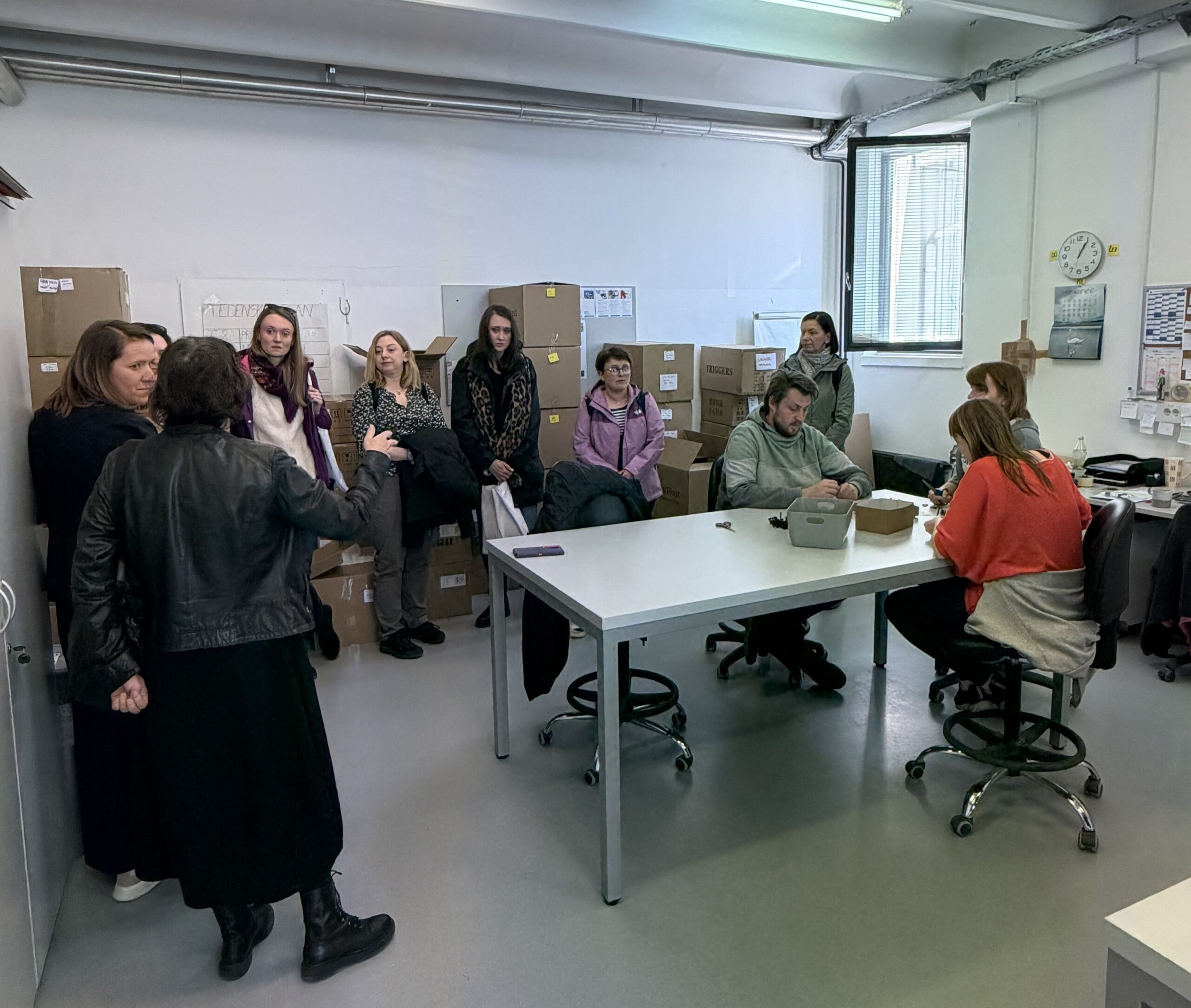
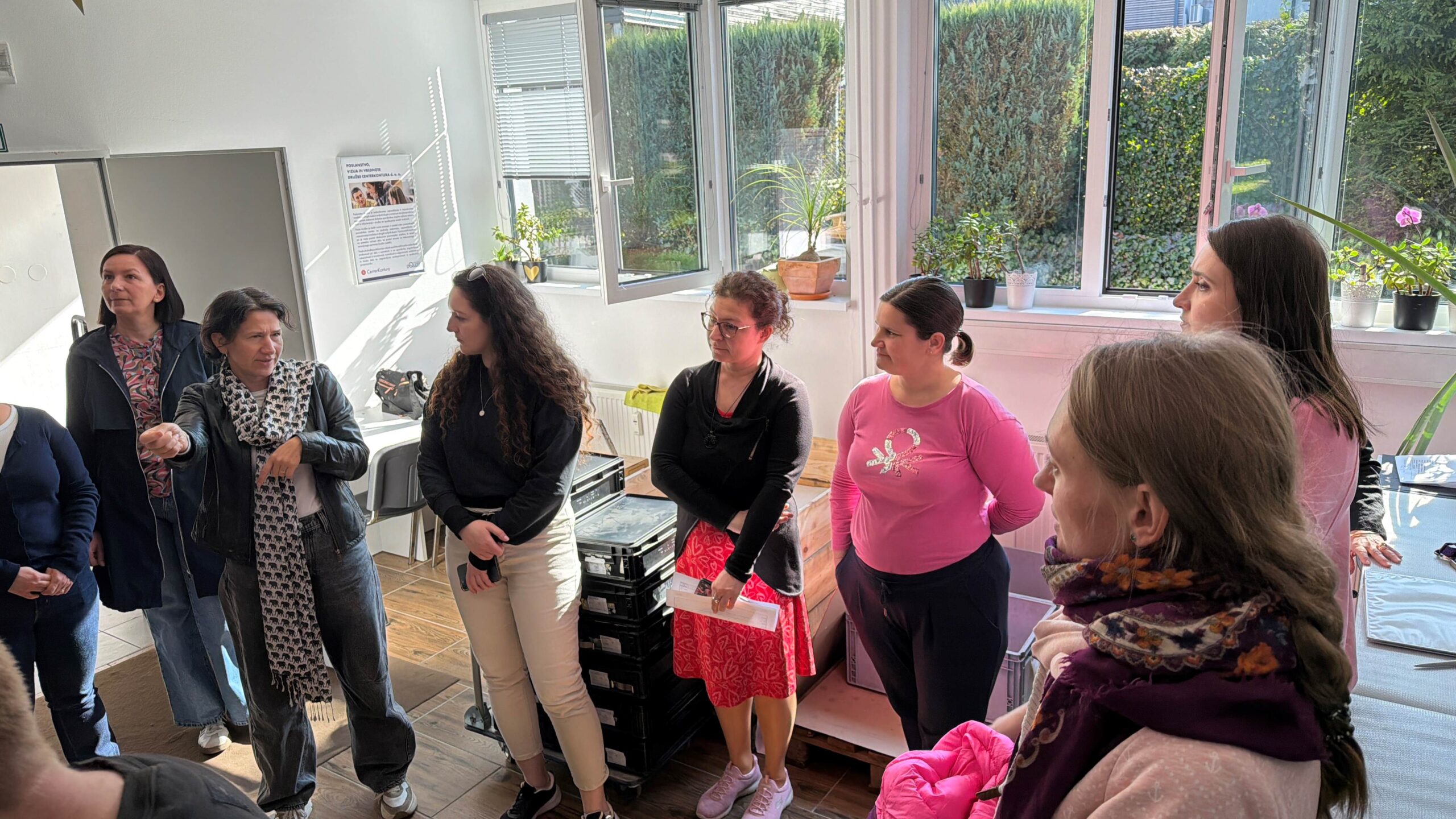
The second day focused on learning about the Slovenian employment system for people with disabilities and the projects implemented by Centerkontura. Participants had the opportunity to familiarise themselves with initiatives supporting young people’s transition into the labour market and the processes.
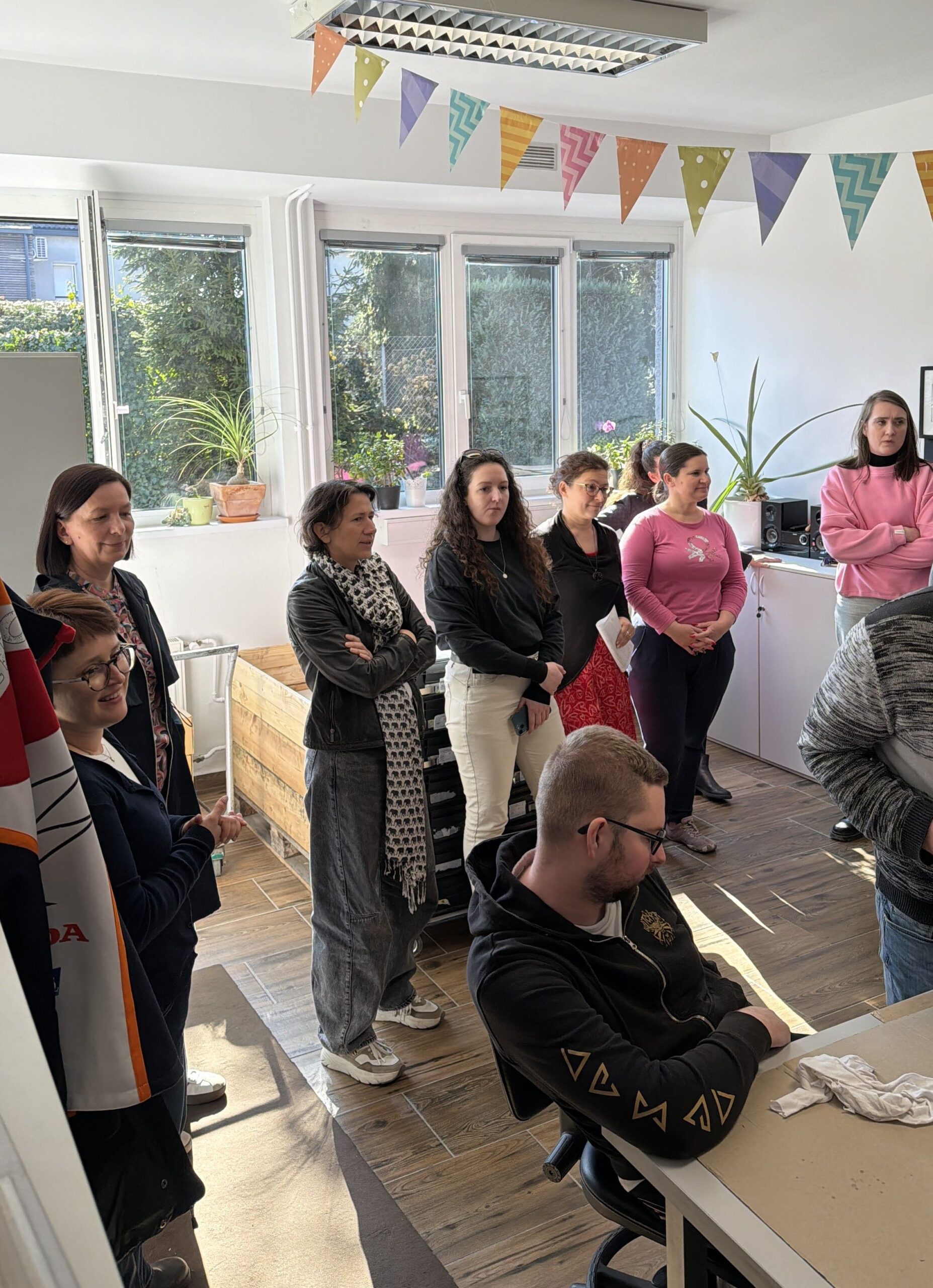
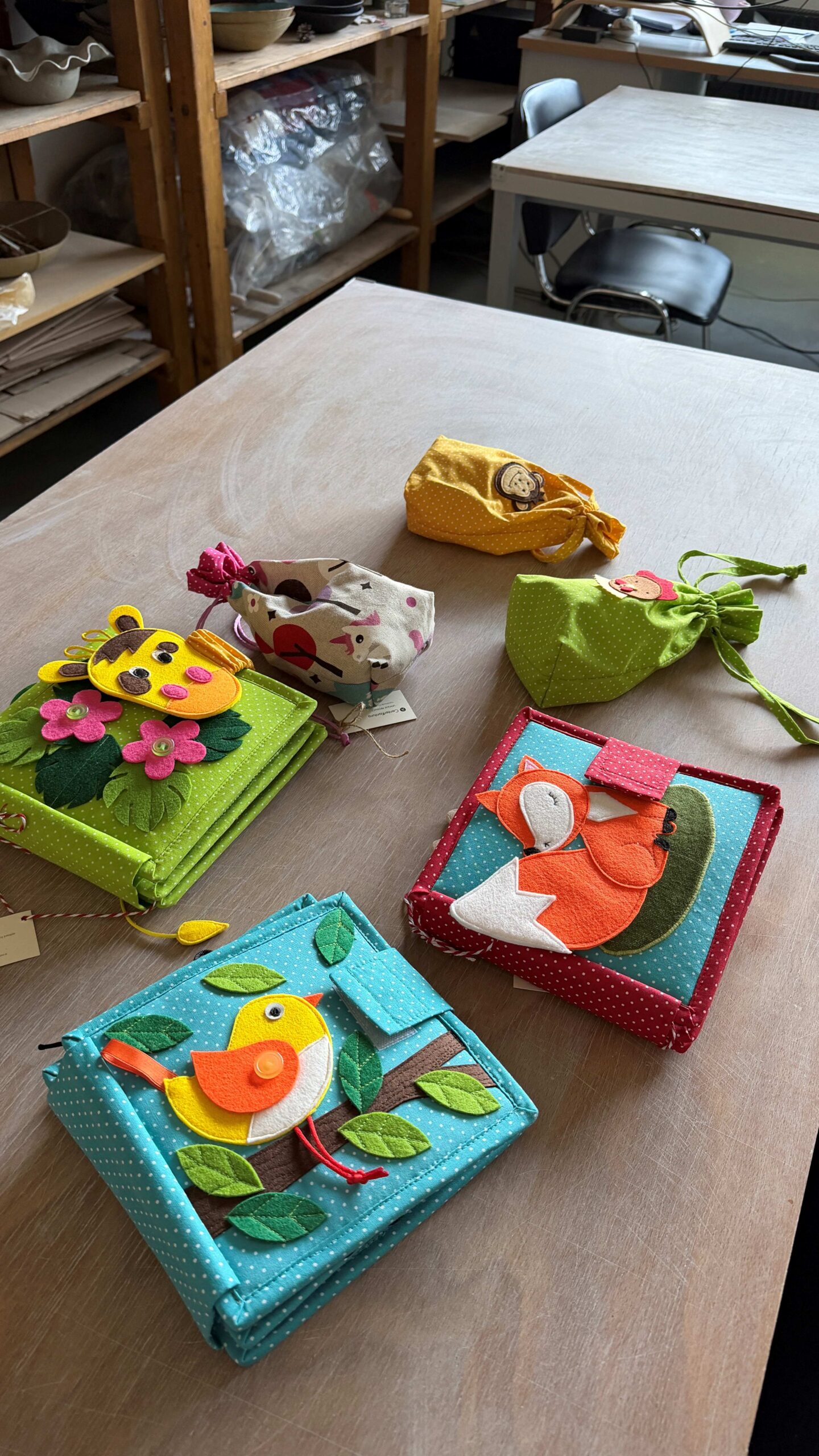
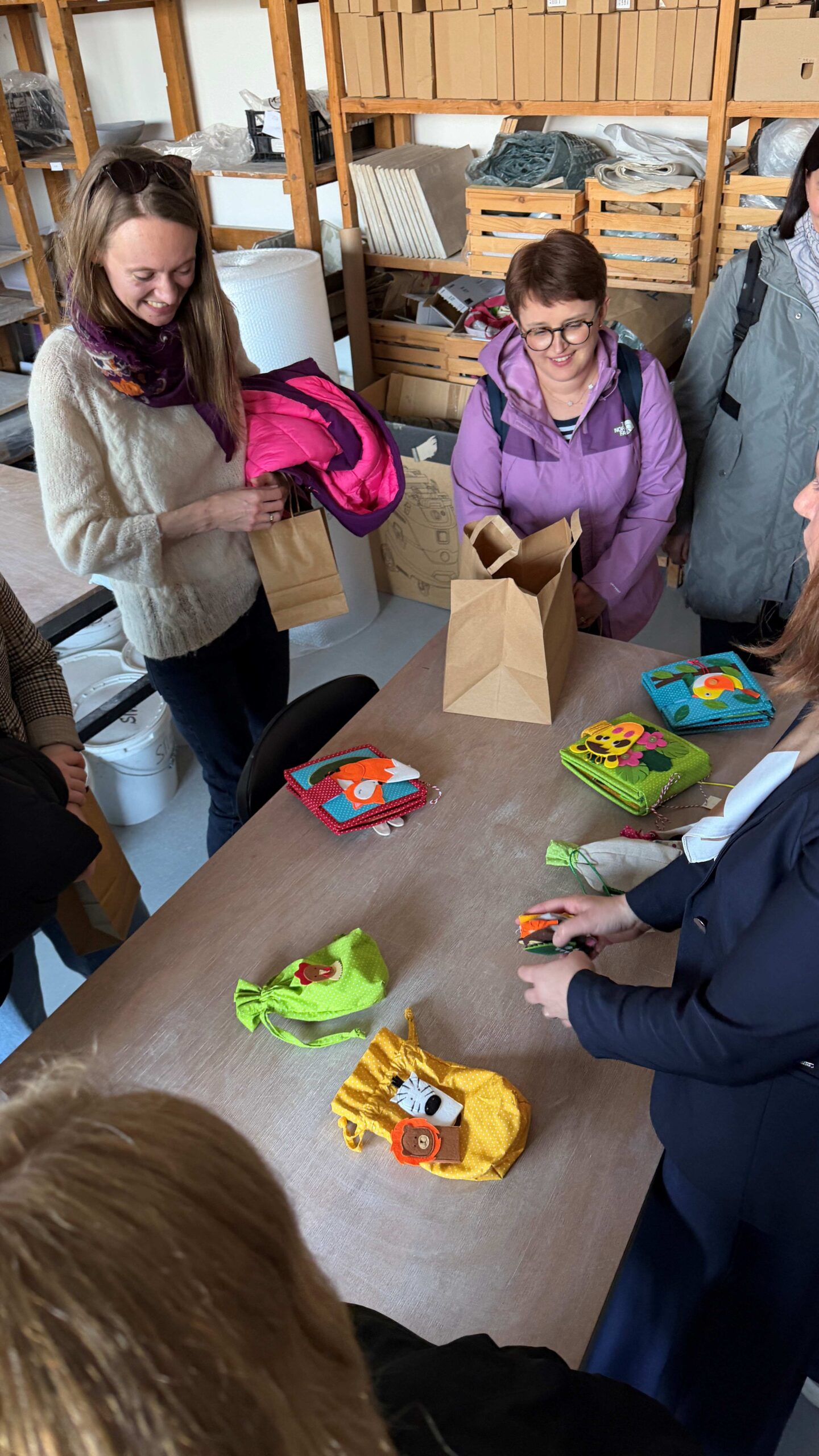
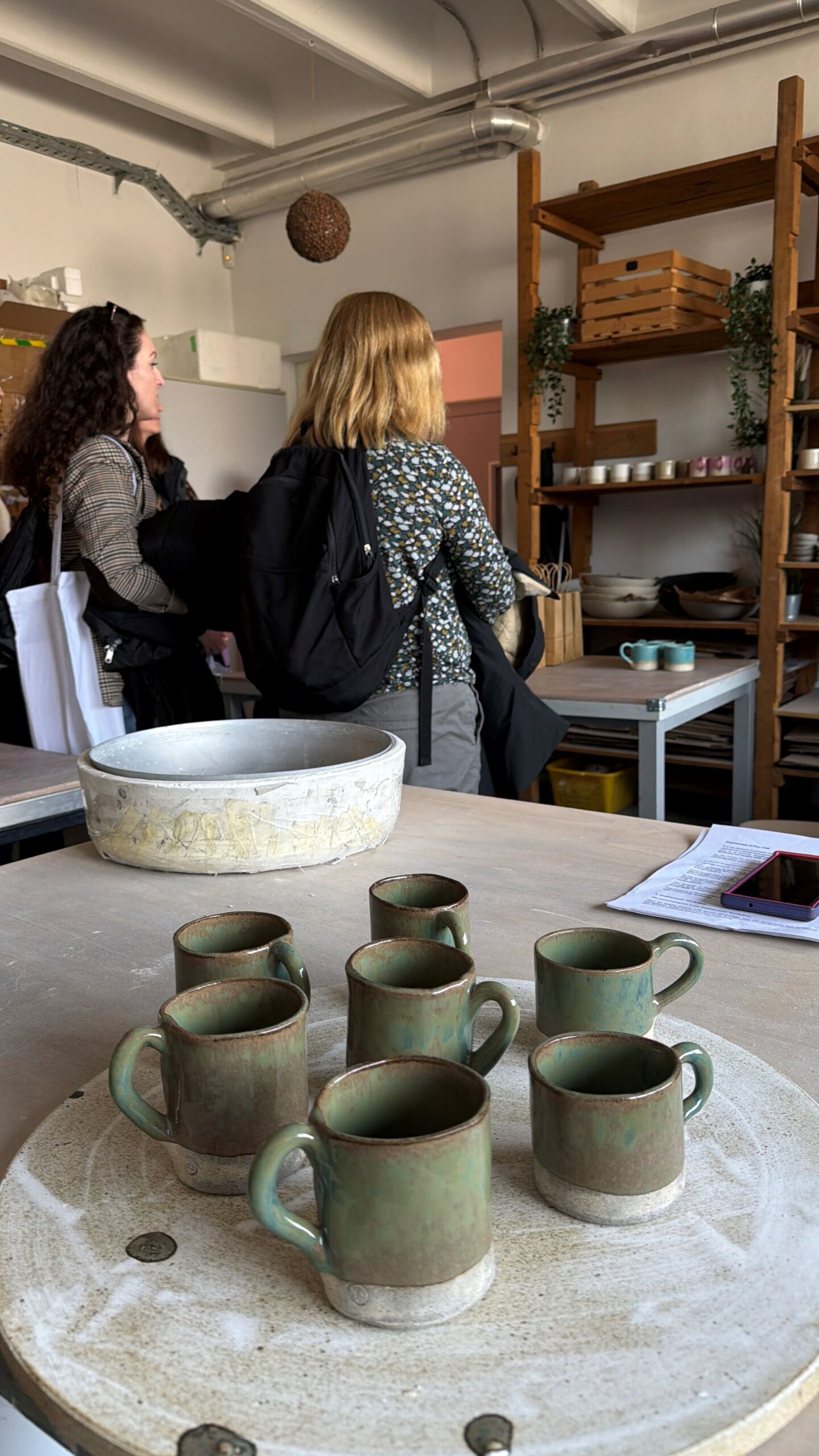
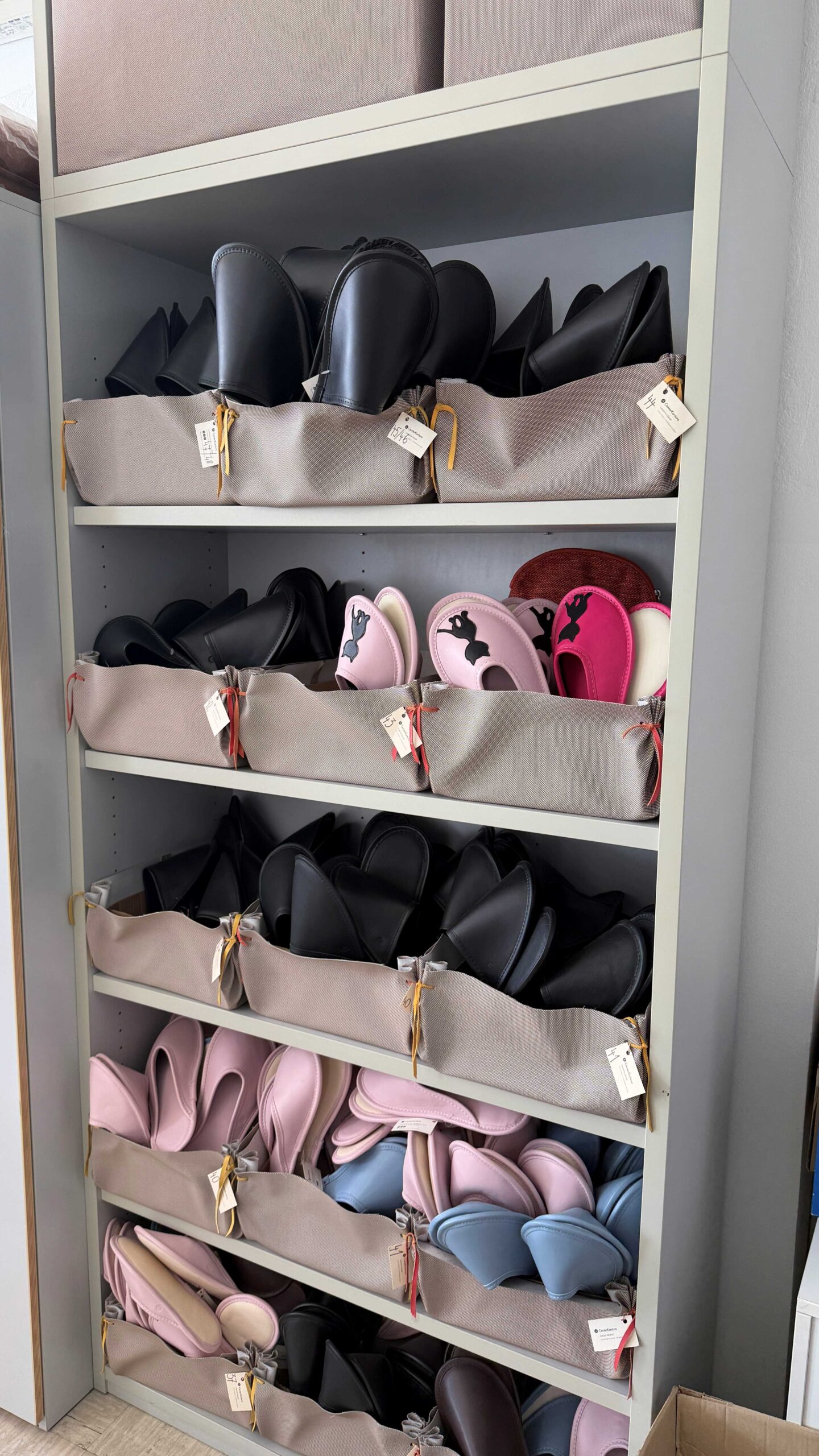
A key part of the programme was a visit to one of the centres, where occupational therapy workshops and social integration initiatives were demonstrated. The meeting also provided an opportunity to compare support systems in Poland and Slovenia and to identify potential areas for further development.
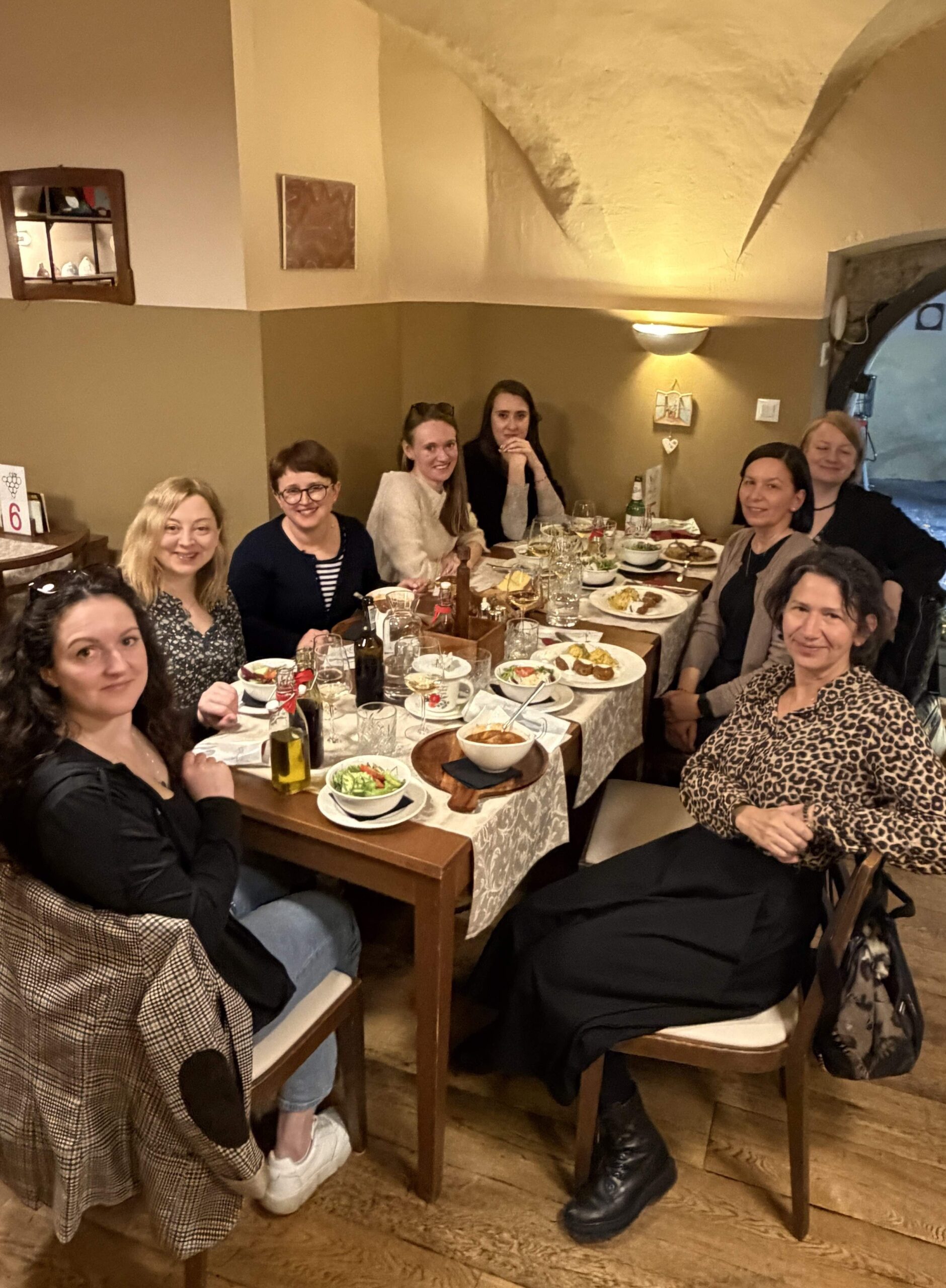
The day concluded with a less formal gathering, which facilitated the exchange of experiences and the building of relationships between partners.
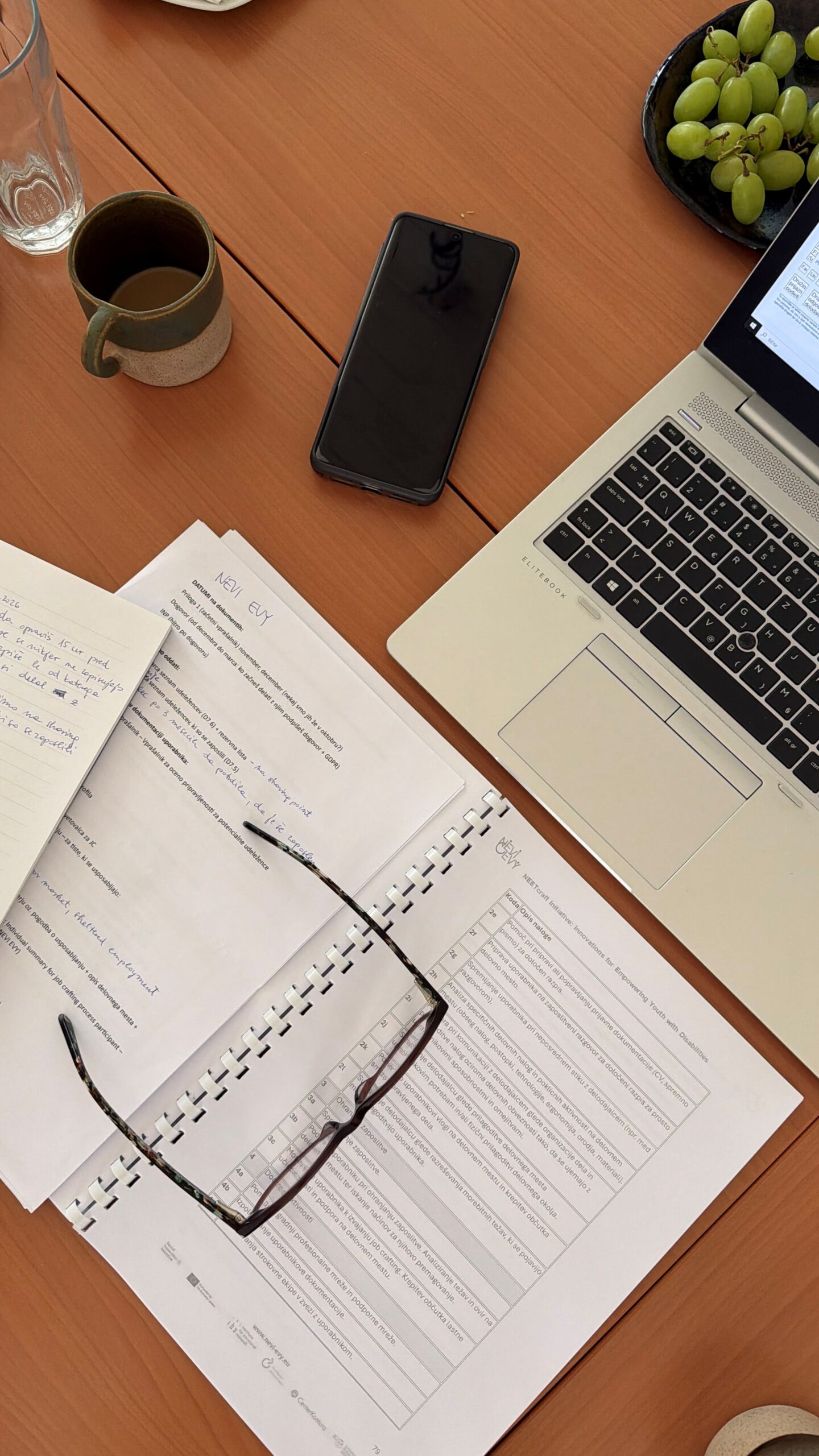
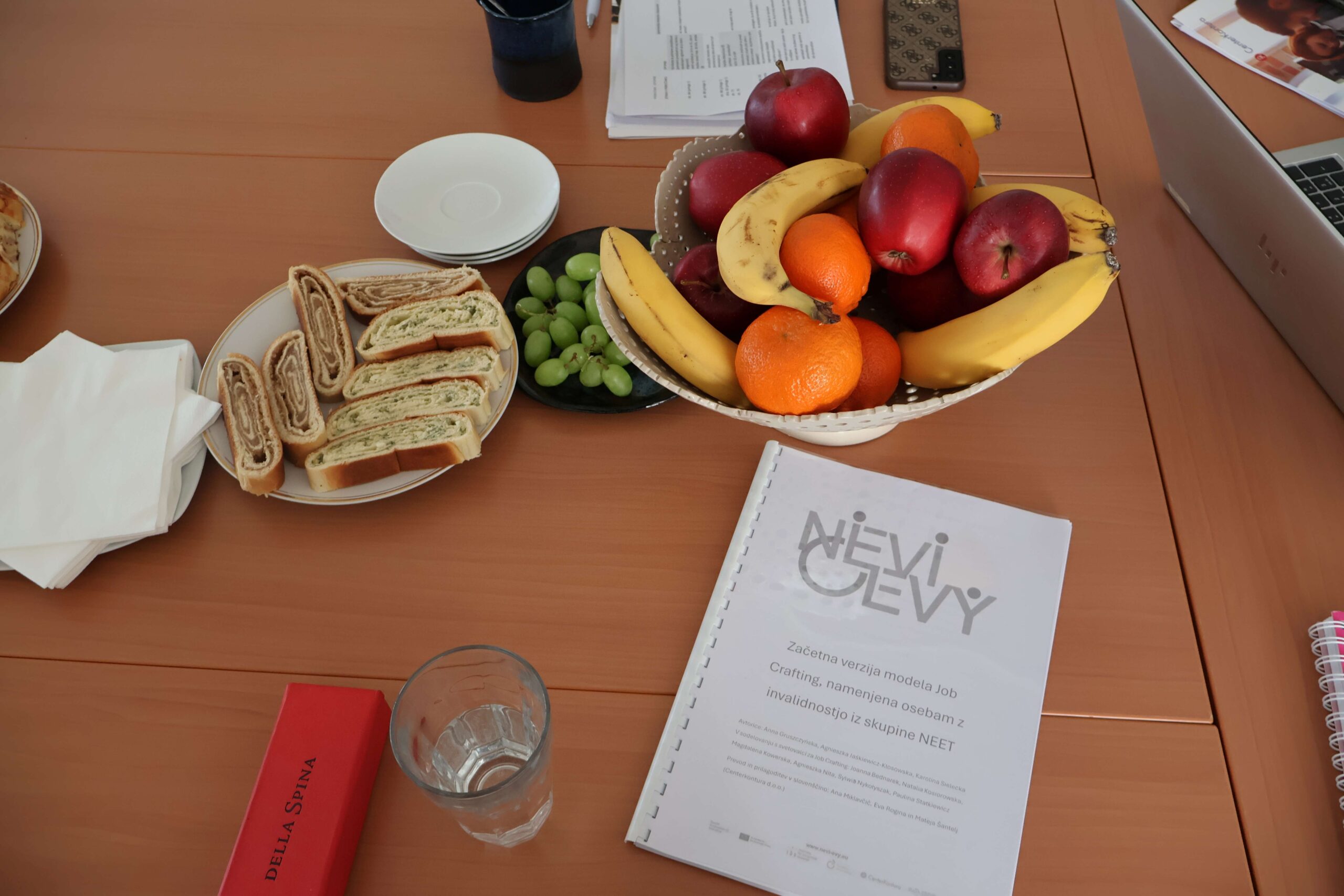
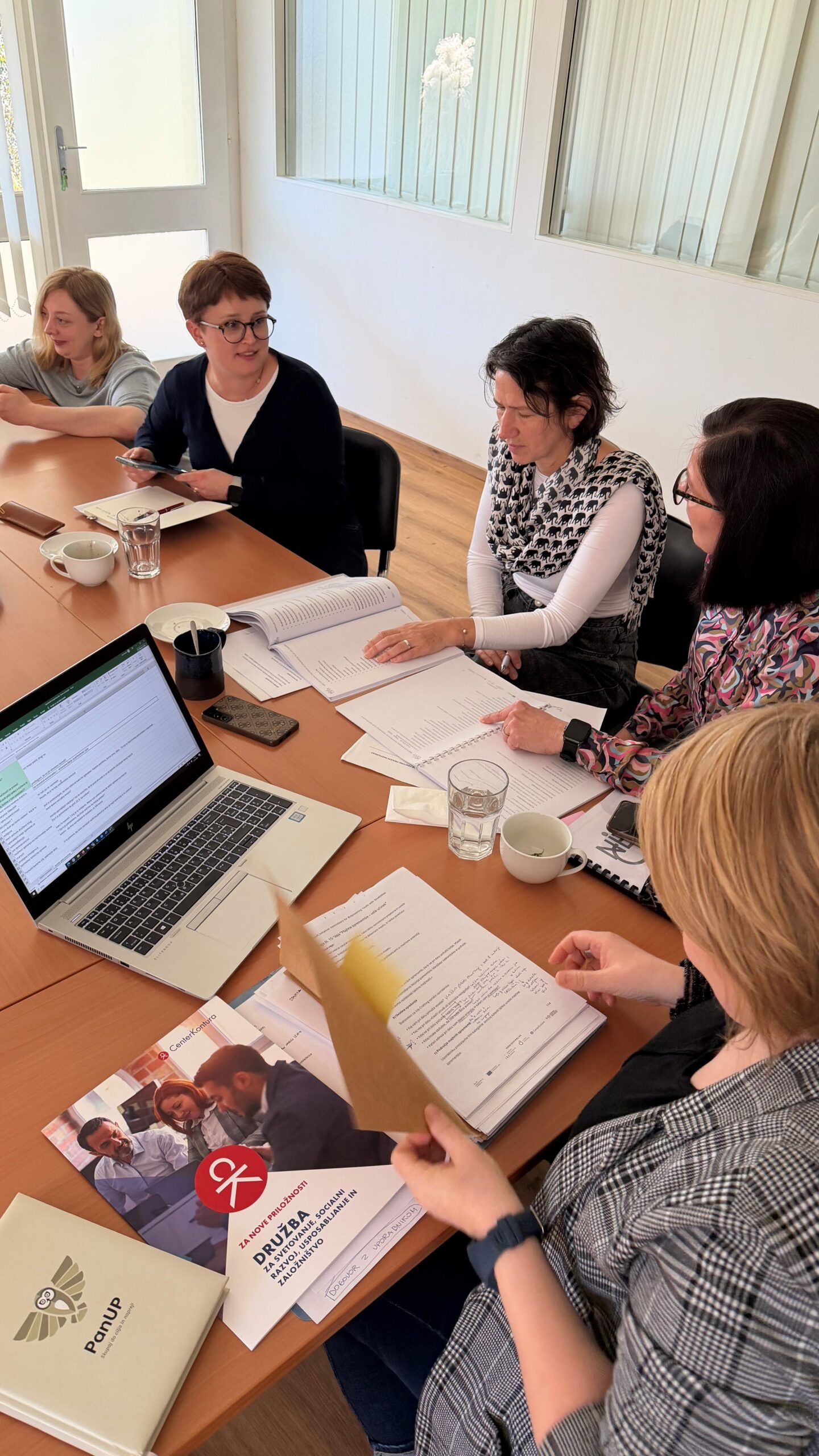
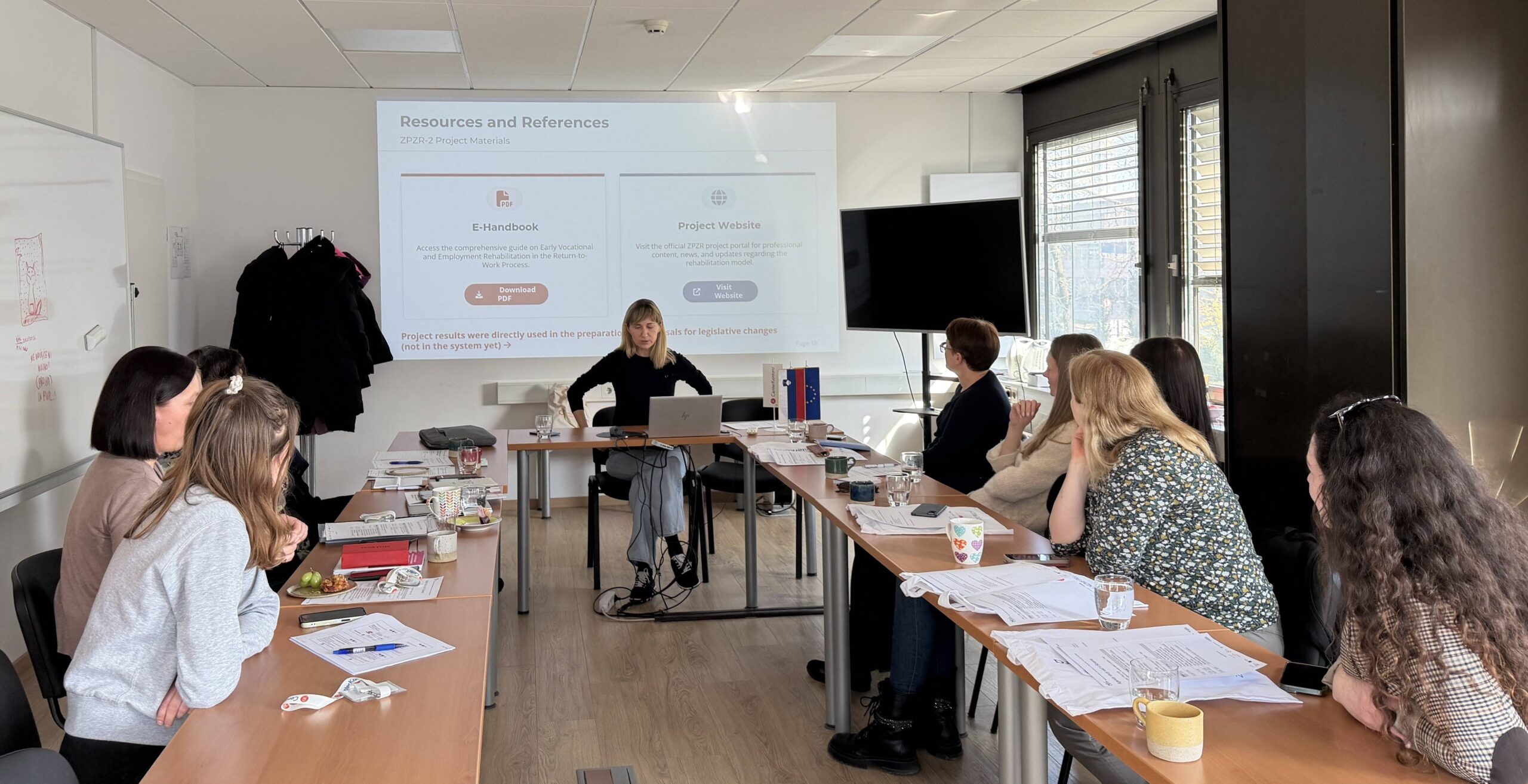
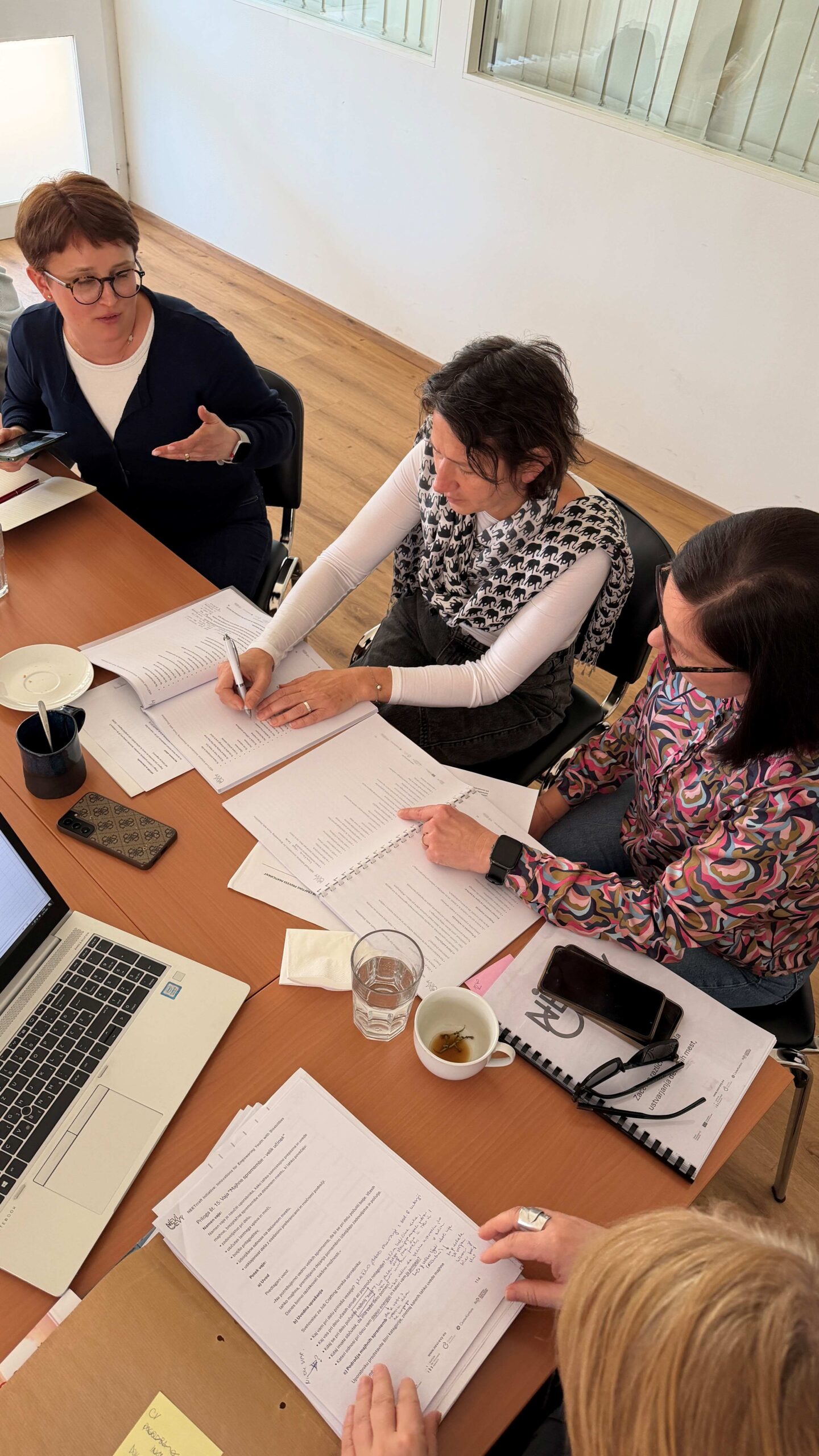
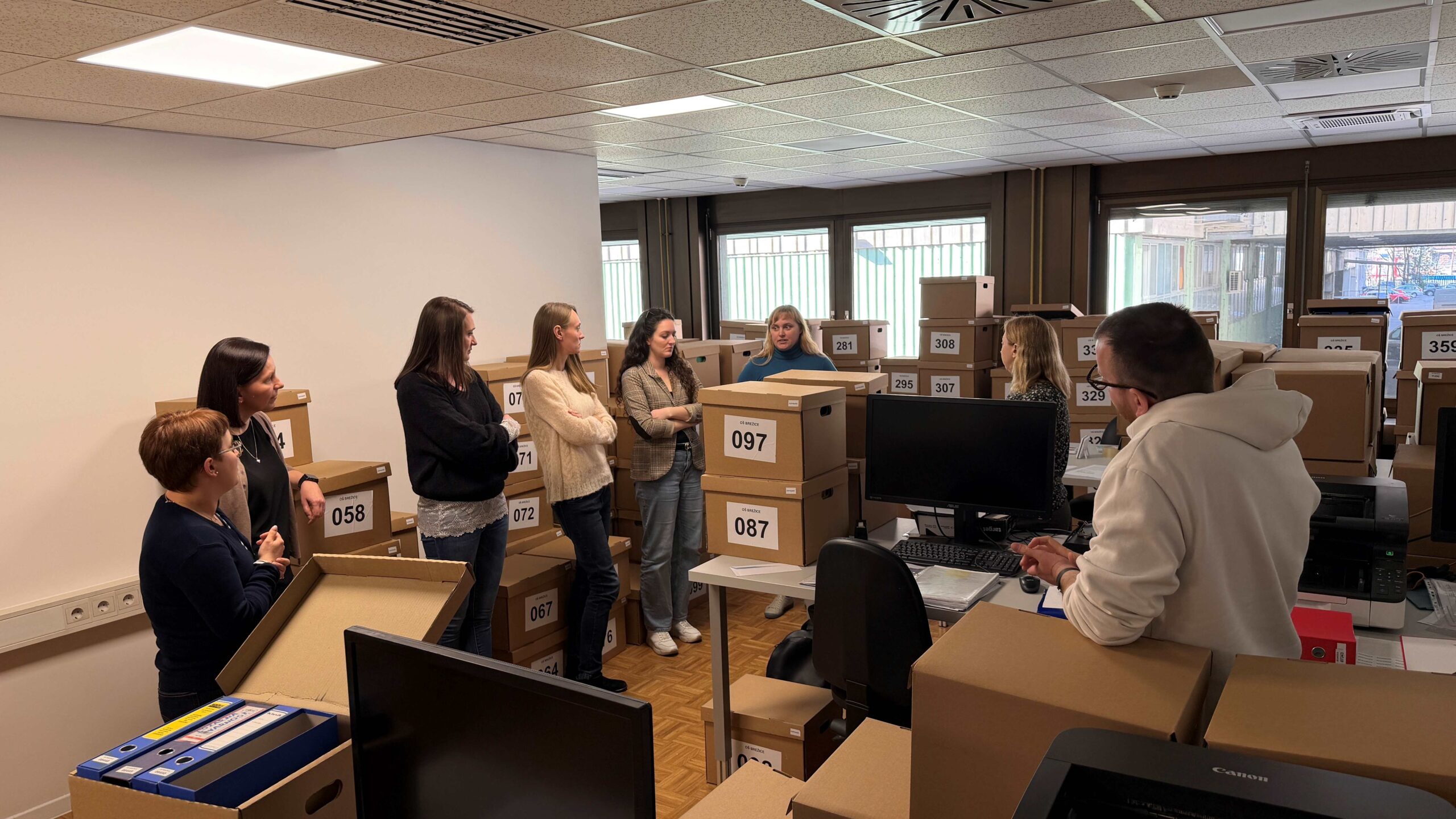
The final day of the visit took place in Kranj and was devoted to work on project documentation, in particular the handbook and supplementary materials supporting the implementation of the Job Crafting model.
Participants analysed the project schedule, discussed milestones and methods for monitoring progress. Possible improvements to the tools and their practical application in various national contexts were also discussed.
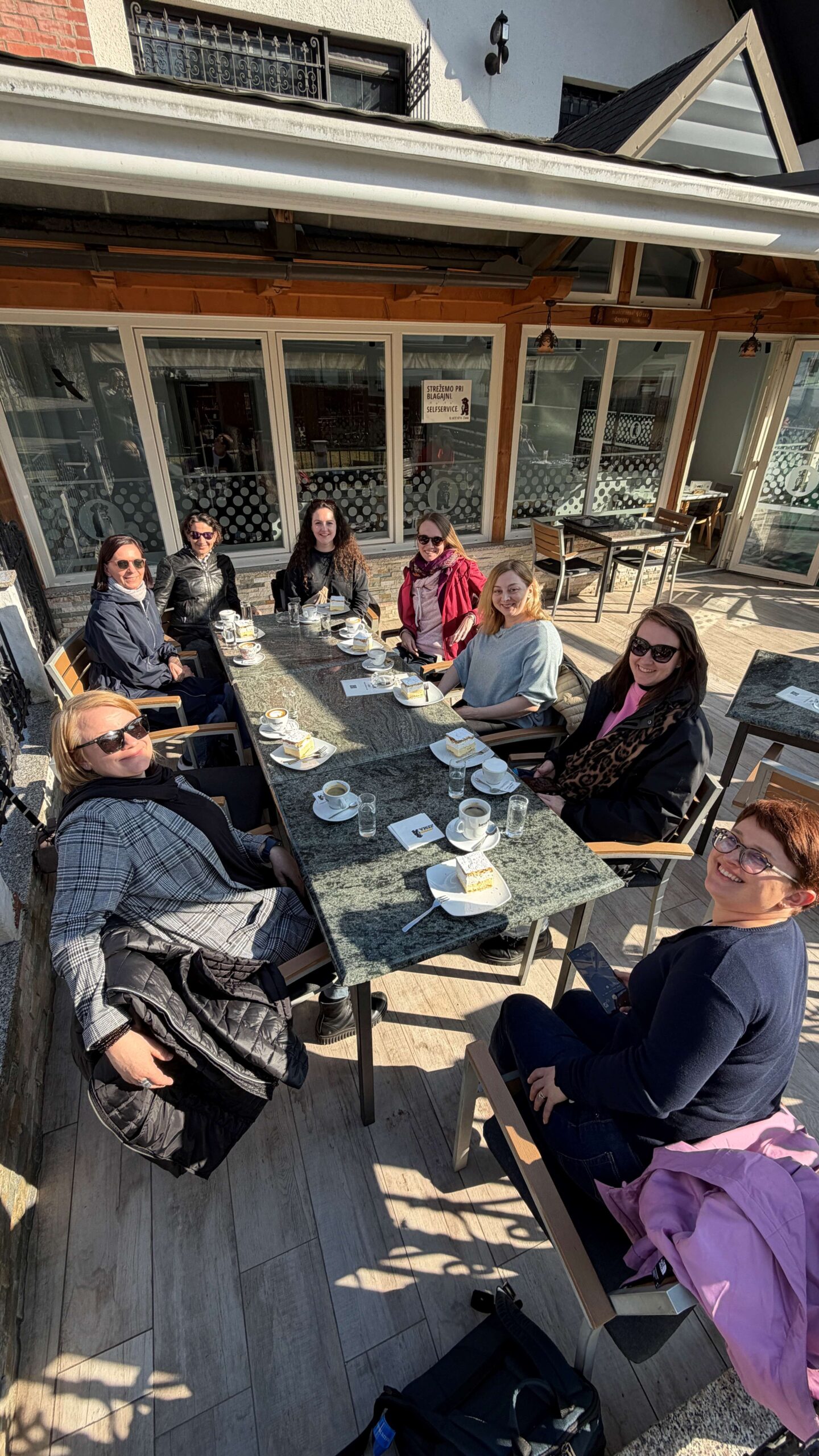
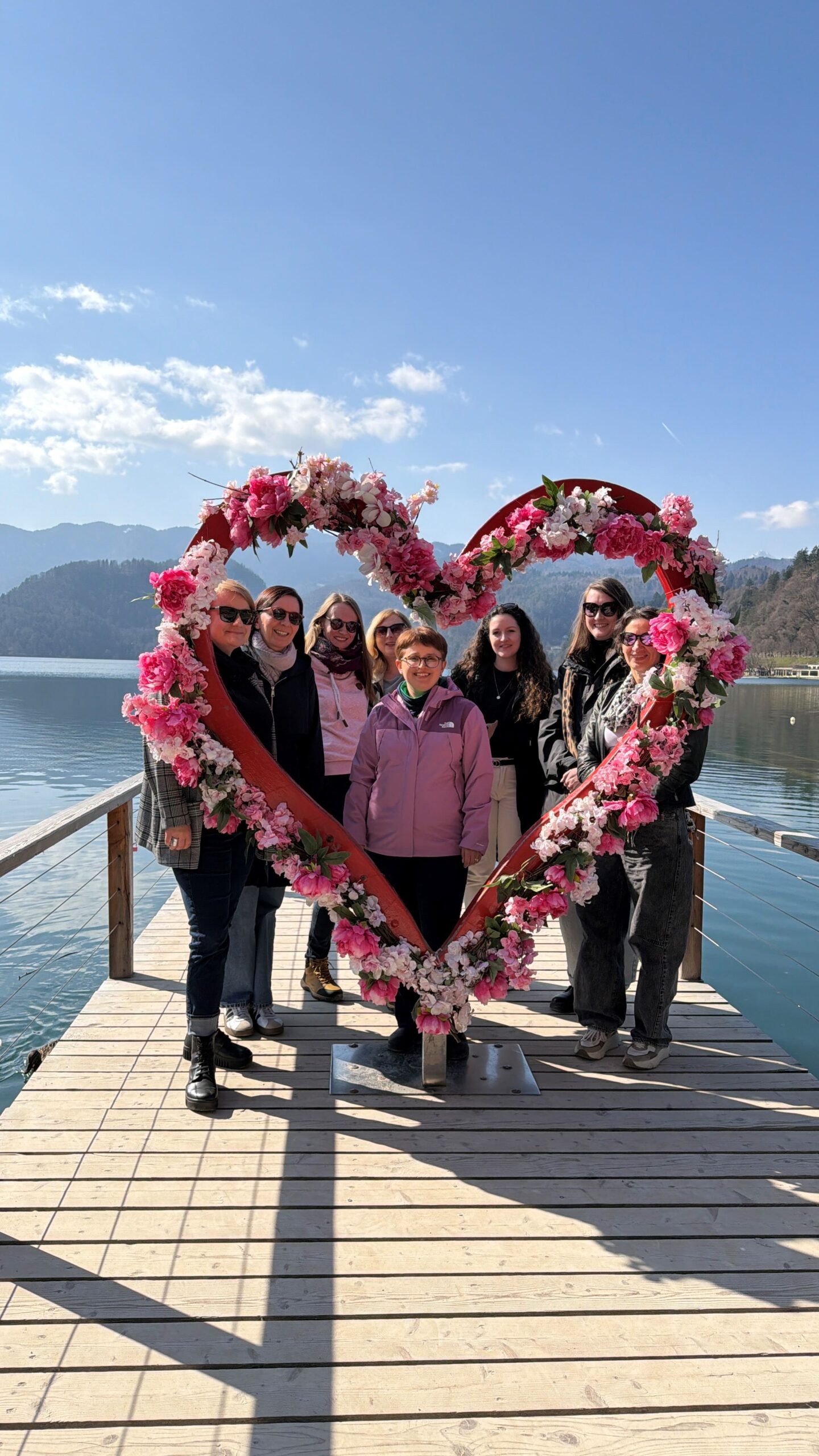
The meeting concluded with a joint lunch in Bled, during which the partners continued their discussions on future cooperation and directions for developing activities for people with disabilities.
The study visit yielded a number of important conclusions and outcomes: