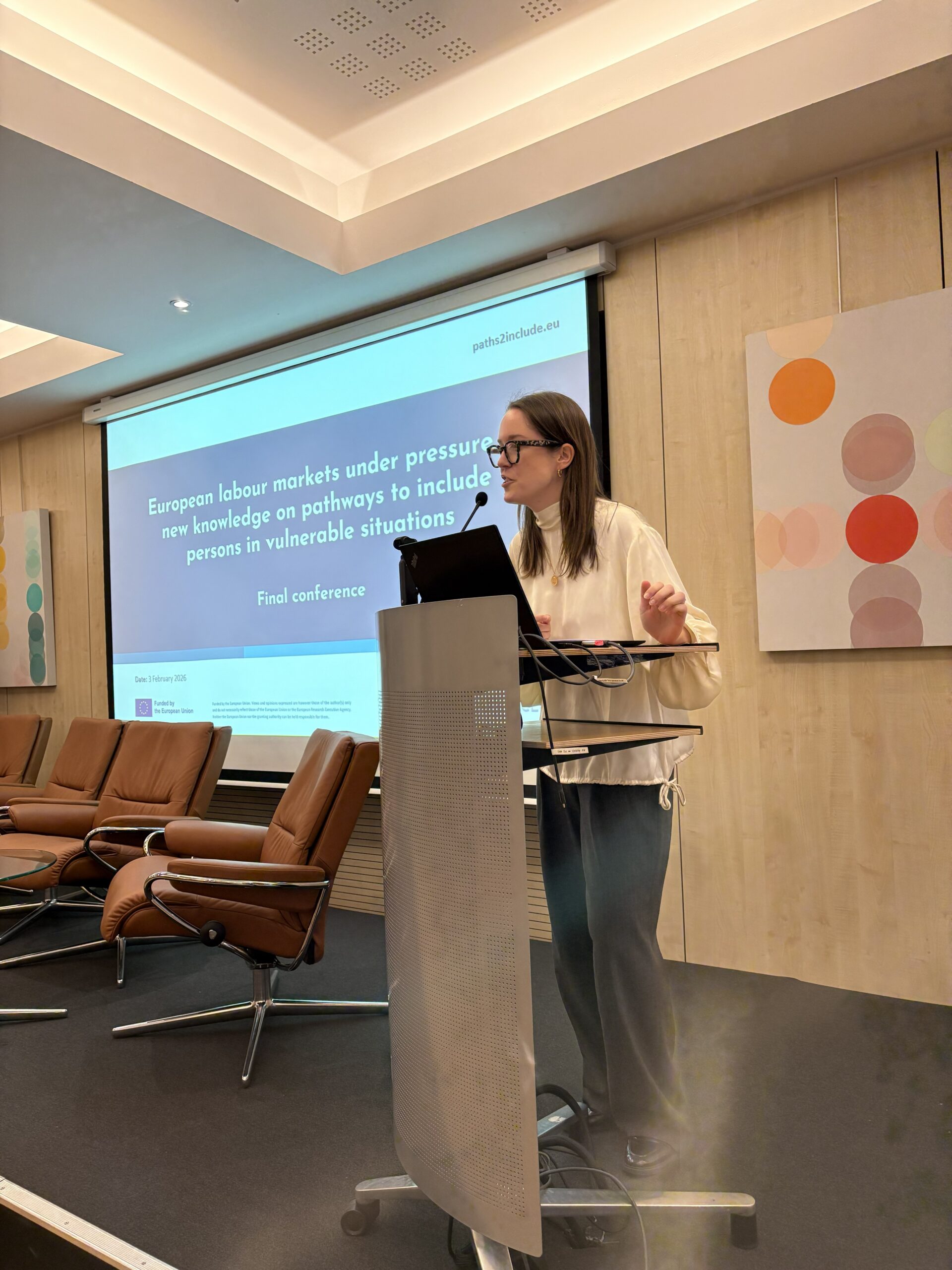
PATHS2INCLUDE closing conference
February 12 2026
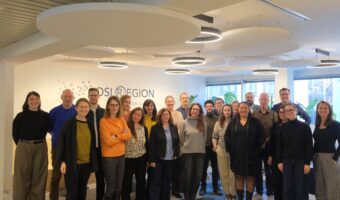
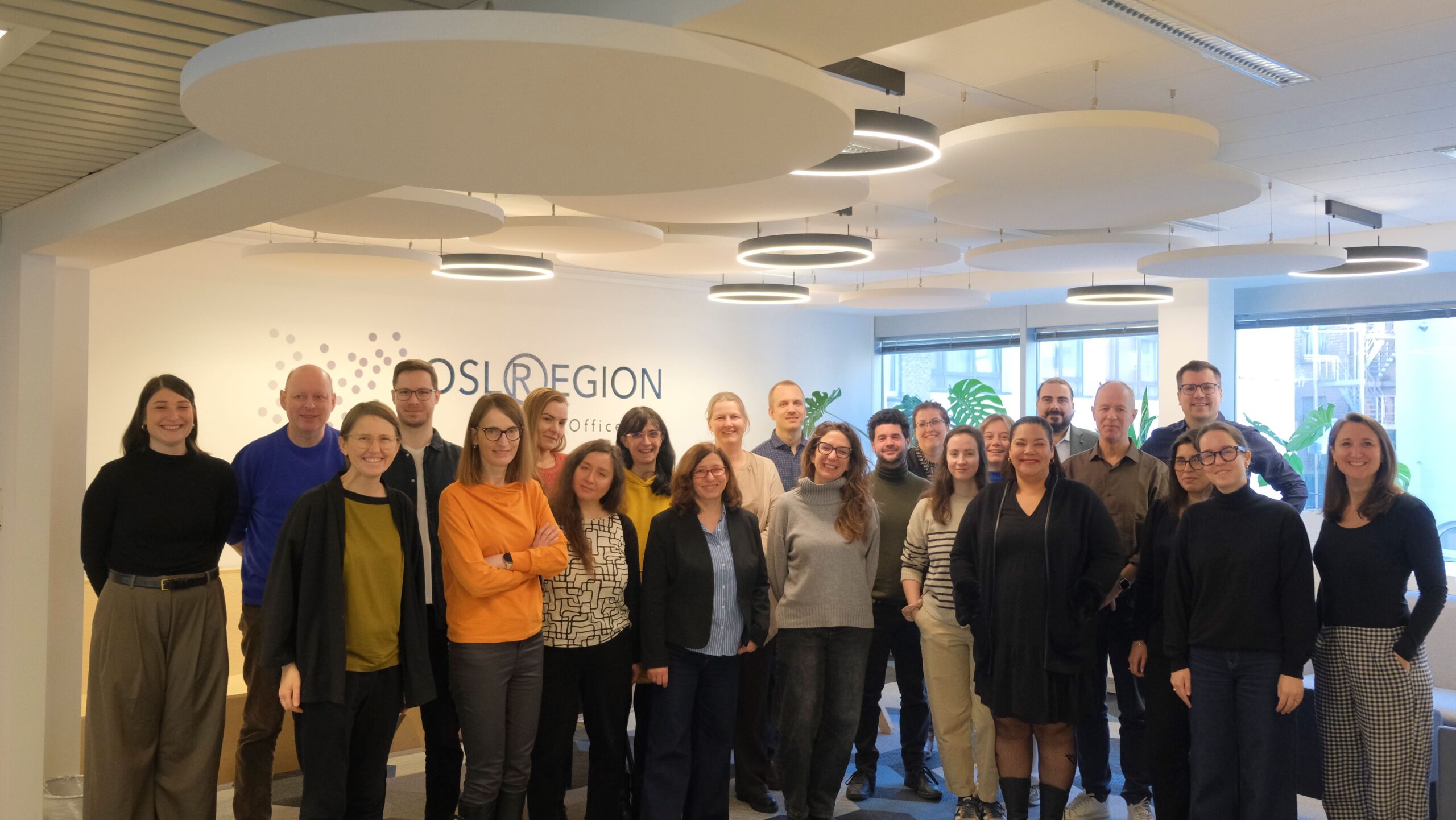
IBS was part of the PATHS2INCLUDE consortium, alongside partners from Norway (lead), Belgium, Germany, Italy, Luxembourg, Romania, and Spain. The aim of the research project was to generate new knowledge for developing more inclusive labour markets for persons in vulnerable situations. This goal was fulfilled through research into the mechanisms behind discrimination and unequal opportunities, the ways in which contextual and structural conditions create and reinforce vulnerability, and how intersectionality shapes risks and prospects. The focus was on vulnerability related to gender, immigration background, family status, care responsibilities, health, and age.
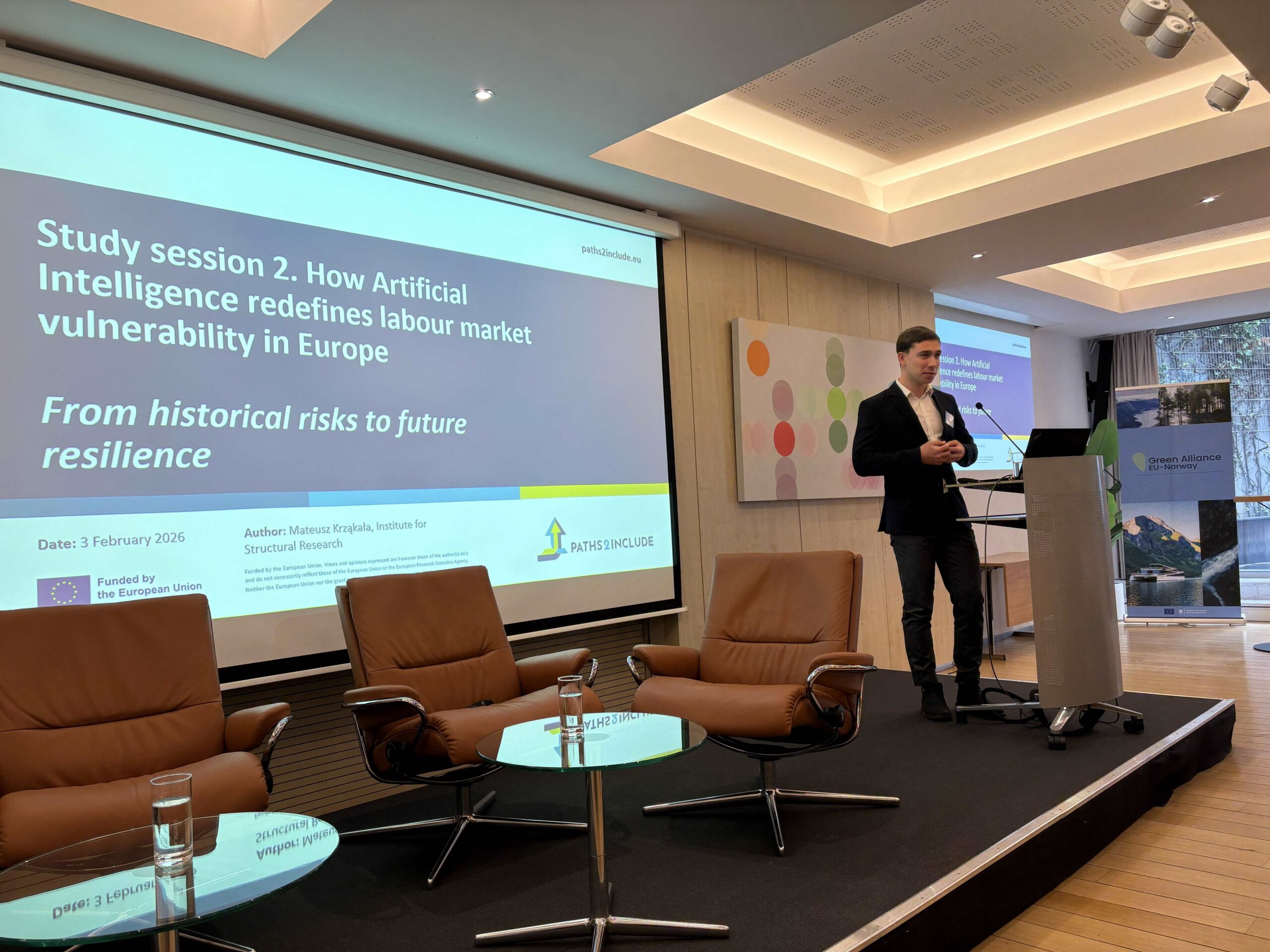
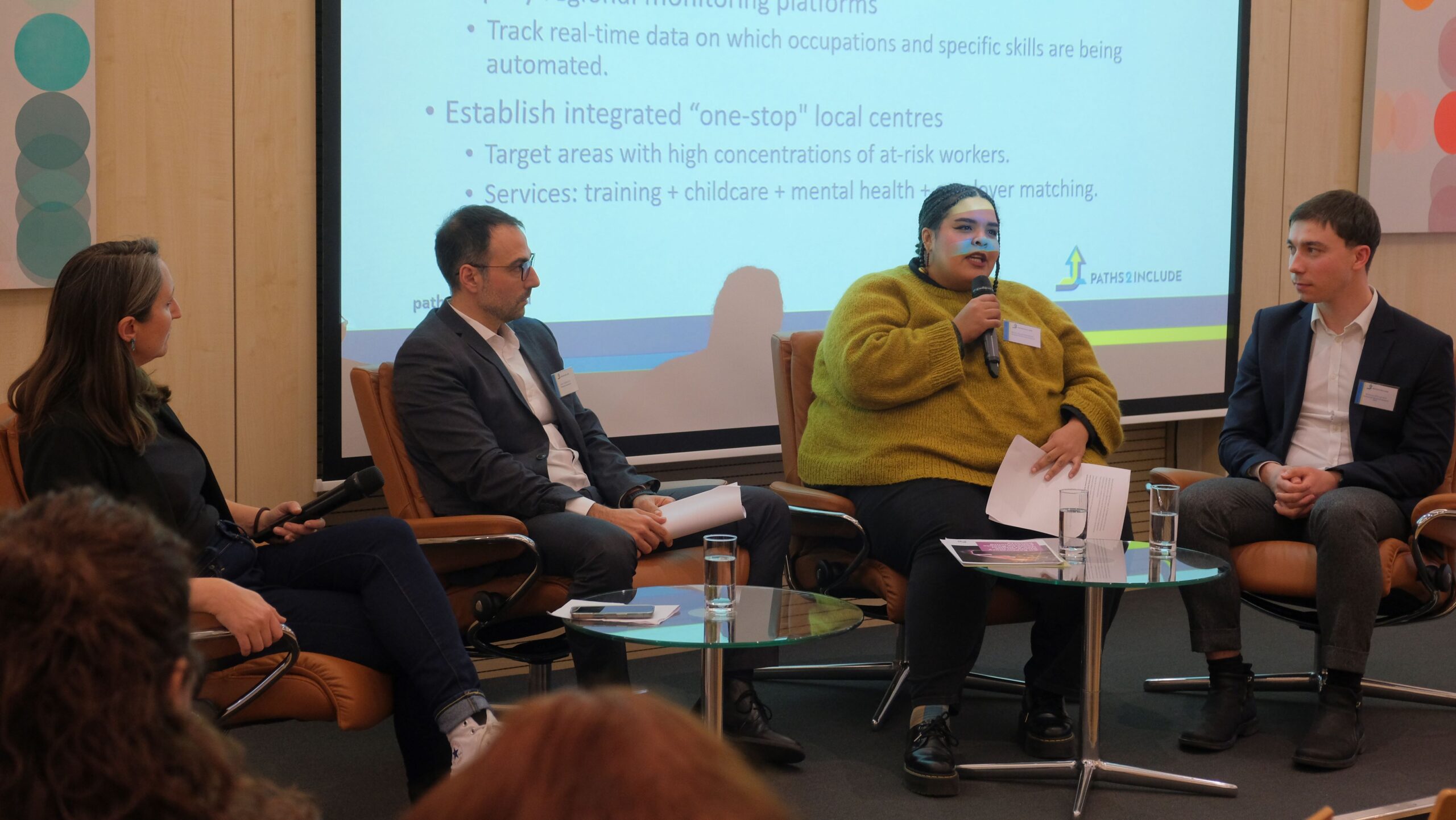
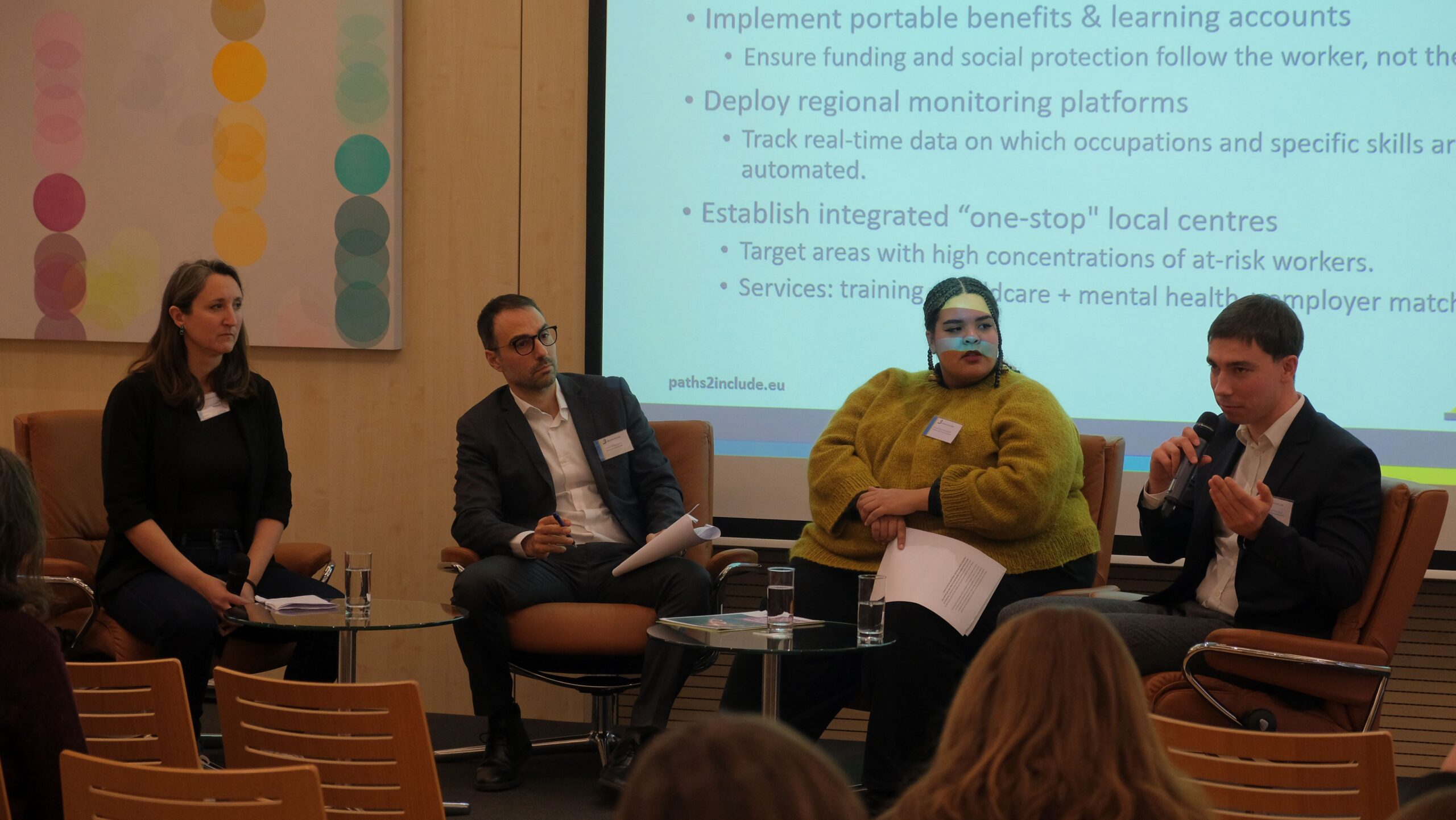
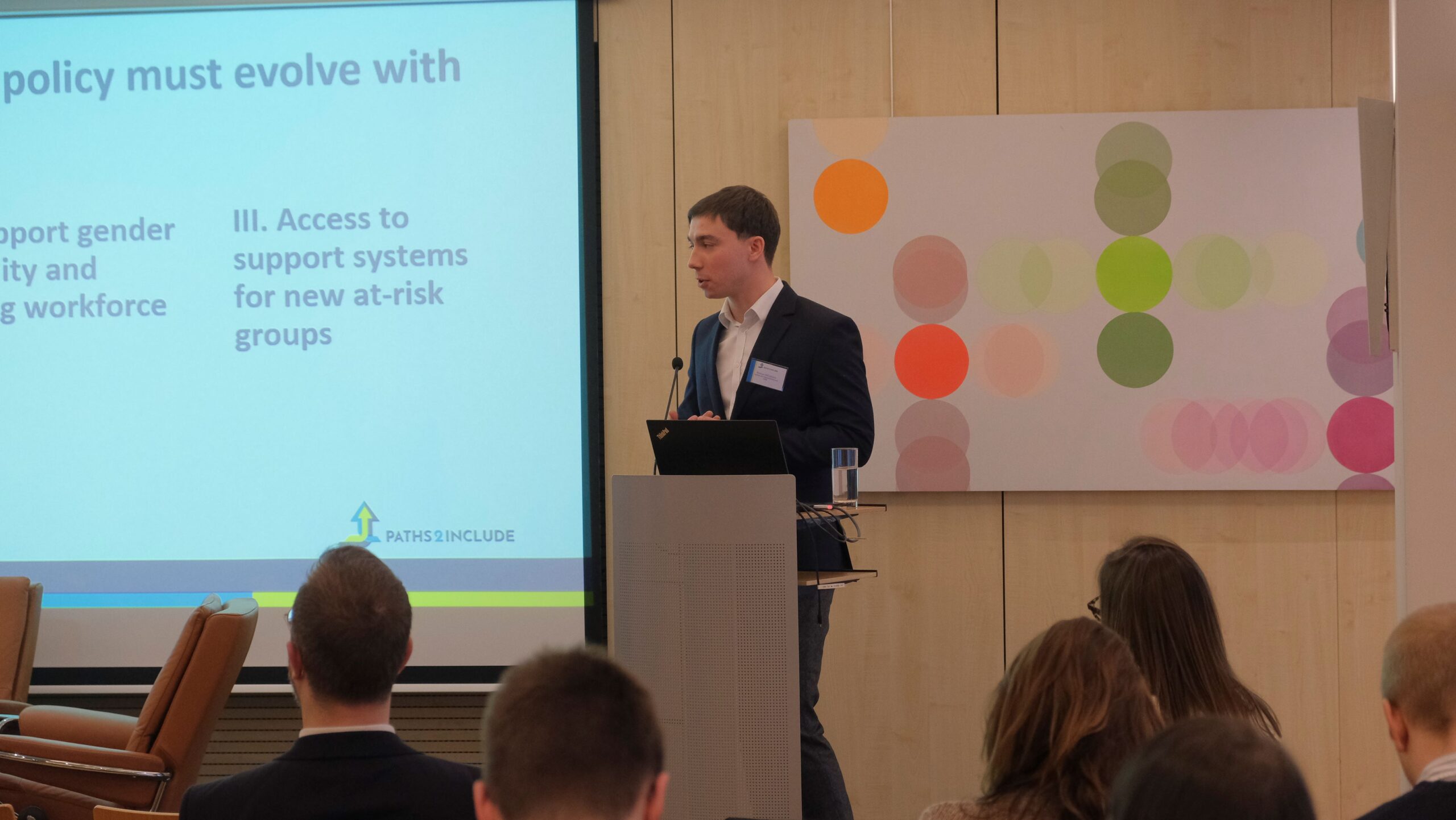
Mateusz Krząkała (IBS) presented a new framework to measure the risk of insufficient adaptability to AI. High risk occurs when high exposure meets low digital skills, affecting 14% of the EU workforce. Nowadays, as groups at risk include white-collar workers and those with tertiary education, the perception of who is at risk in the labour market must be adjusted.
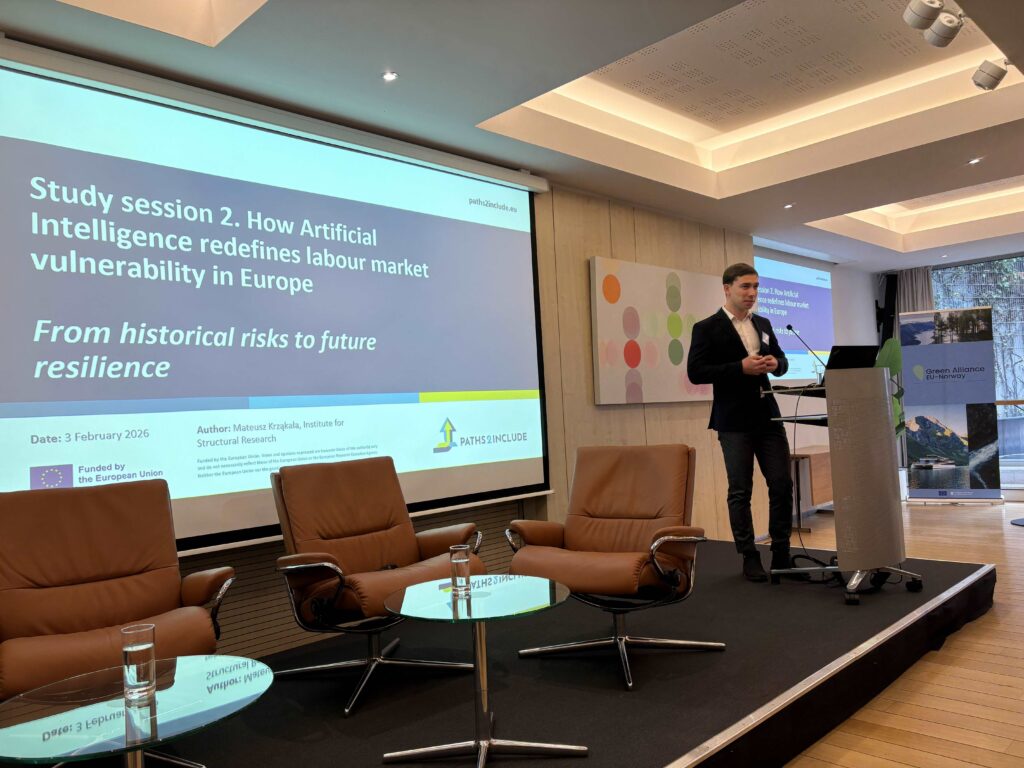
Building resilience should include occupation-specific upskilling, supporting gender equality and the ageing workforce, and providing access to support systems for new at-risk groups. For the occupation-specific upskilling, the core curriculum should focus on prompt engineering and output verification. Digital training should also be accessible to those with no prior experience. Employers should be encouraged to train their existing workforce rather than replace workers without AI fluency. Support systems should include local integrated centres, benefits that follow the worker, and monitoring data.
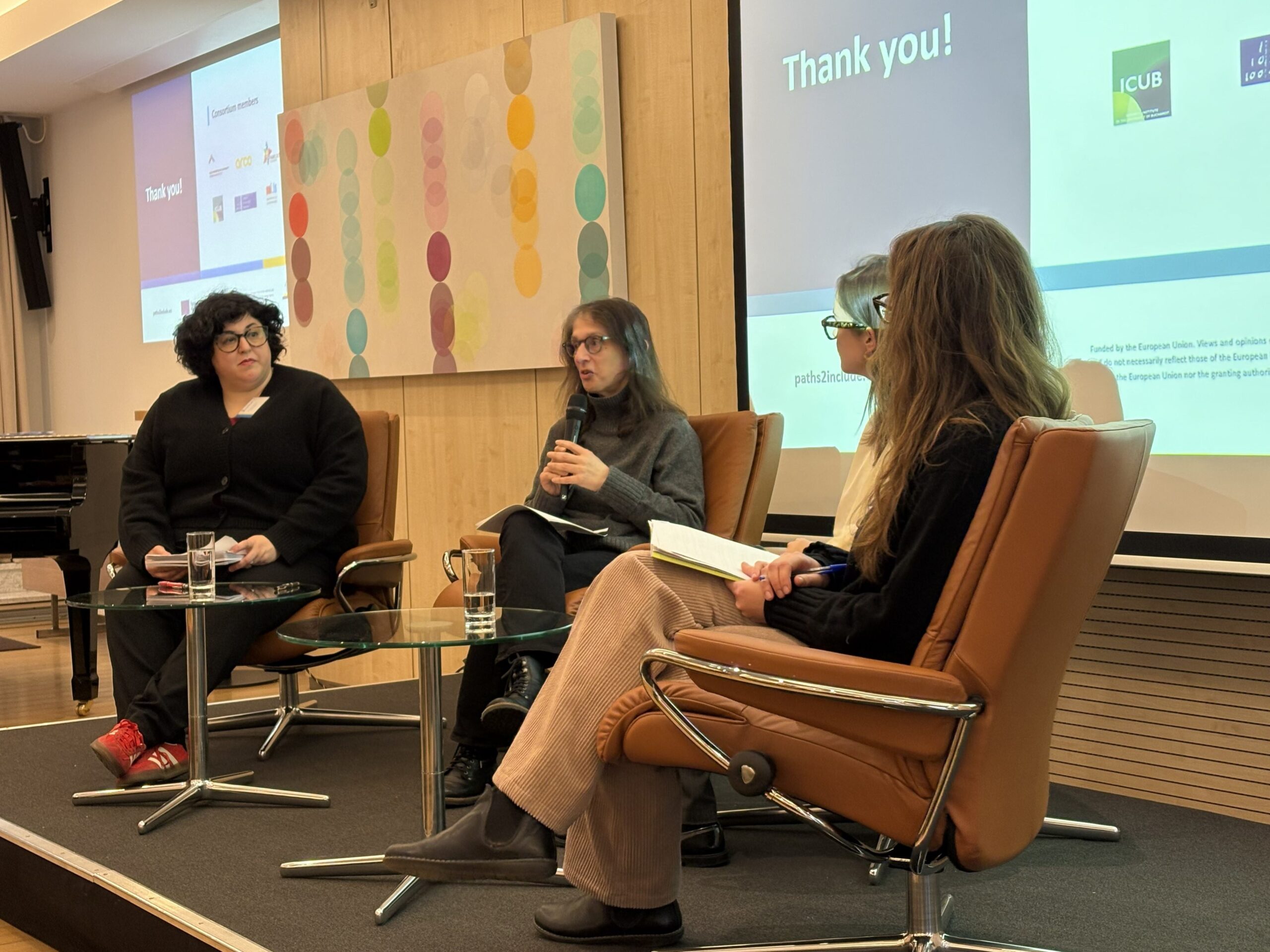
The panel discussion after the presentation was engaging. Panellists raised concerns about young workers, as AI increasingly replaces entry-level tasks, limiting opportunities to gain initial work experience and potentially leading to a long-term loss of talent. Panellists also stressed the importance of involving workers and their representatives in AI-related decisions at the company level from the very beginning to prevent AI from being perceived as a threat. There was an agreement on the need to maintain human control over algorithmic decision-making, particularly in recruitment, social services, and employee monitoring. Panellists emphasised that social scoring must be tightly controlled and that GDPR and data protection rules must be strictly enforced. AI should support, not replace, public and social services, with human oversight remaining essential. Finally, the panellists also highlighted that productivity gains must not come at the expense of well-being or fundamental rights. Competitiveness cannot be achieved without investing in people. Without training and skills development, long-term competitiveness is not possible.
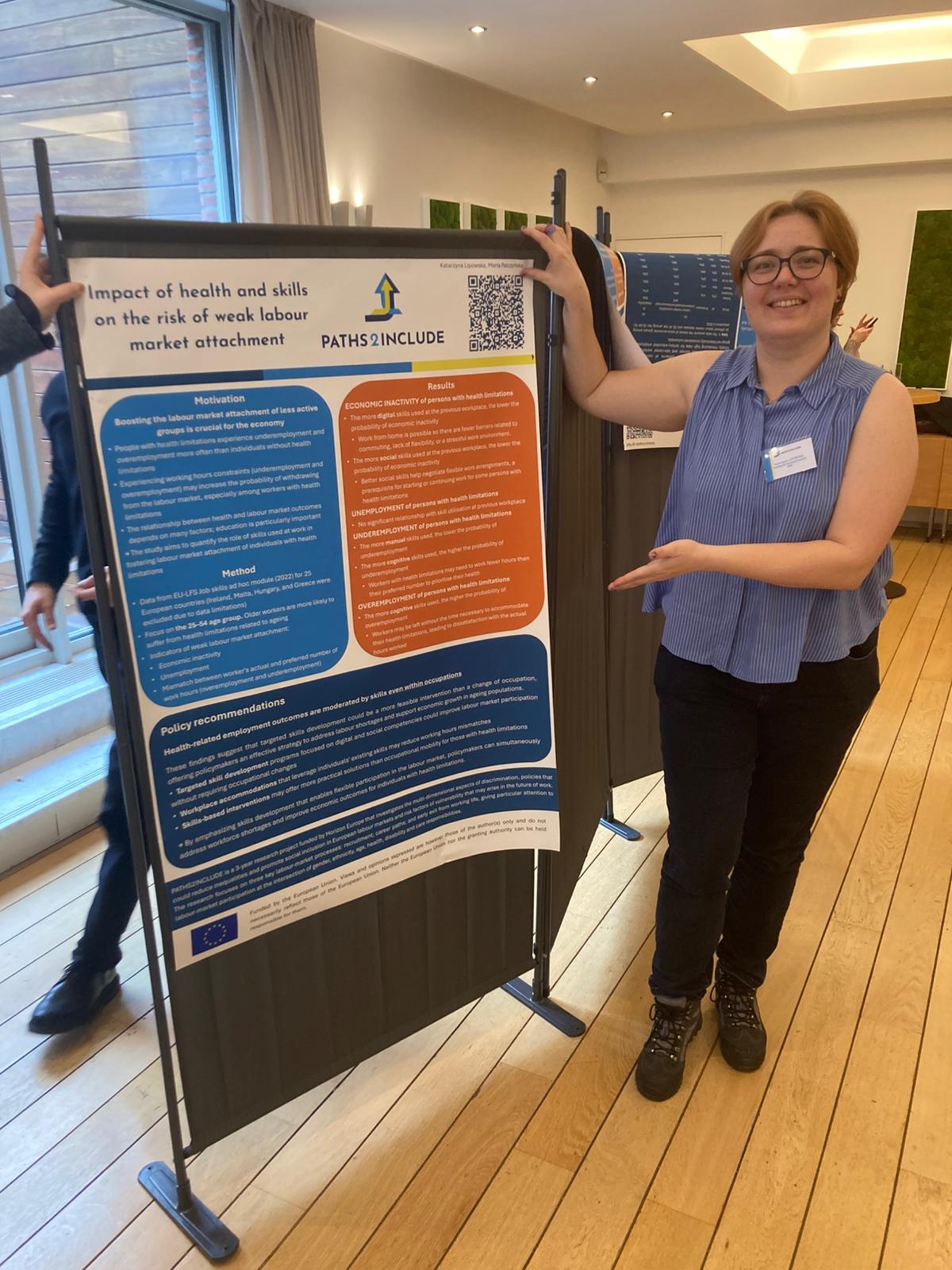
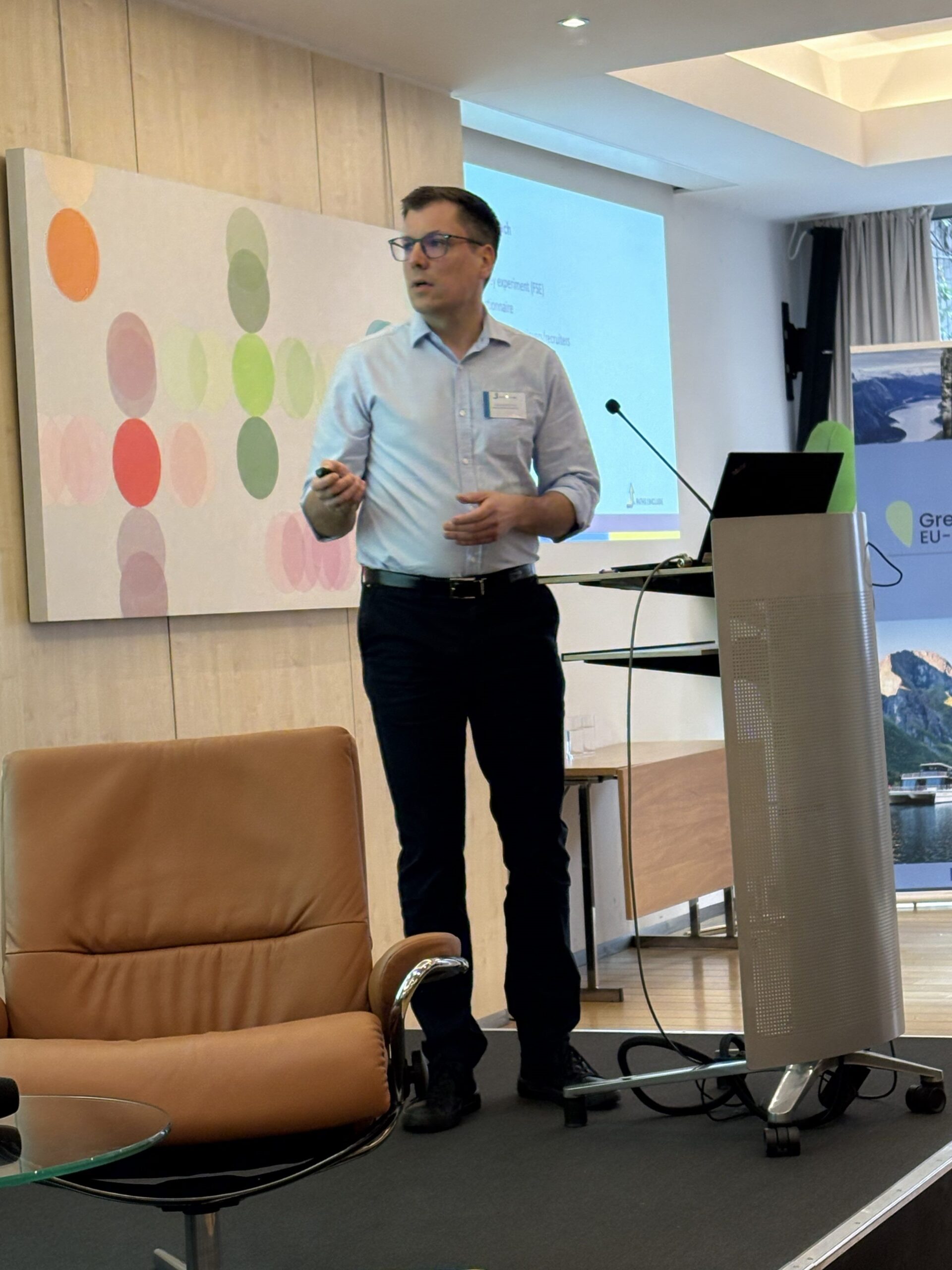
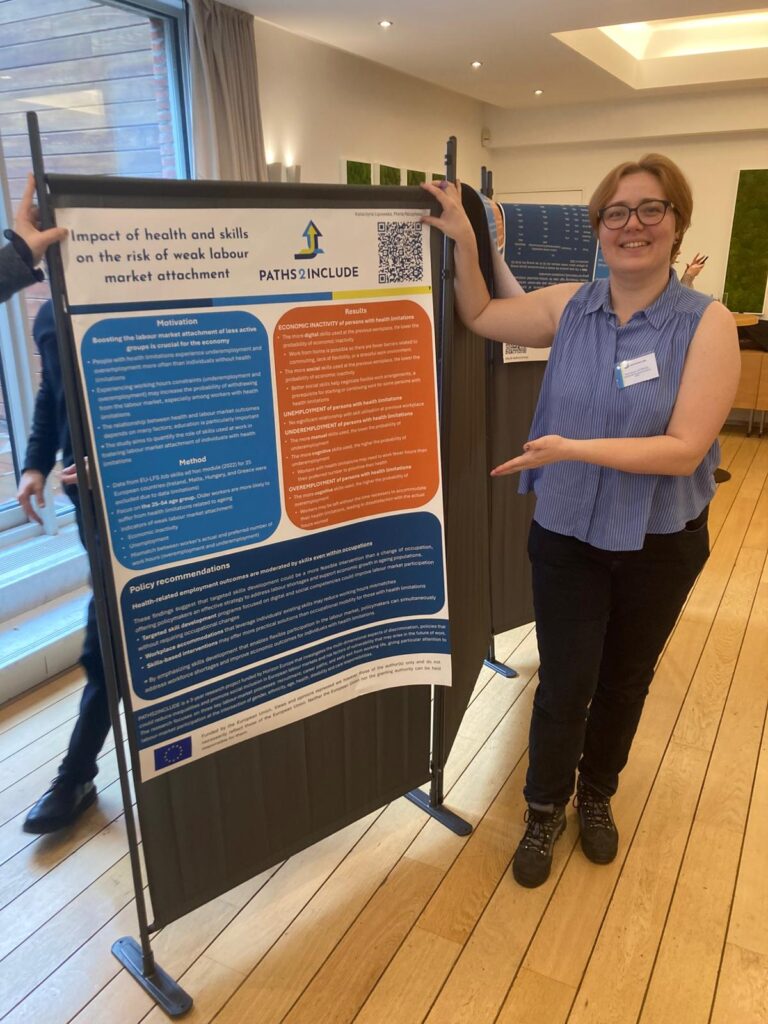
Katarzyna Lipowska (IBS) shared the findings of a study investigating the link between skills used at work and labour market outcomes among people younger than 55 with health limitations. The results suggest that good digital and social skills are crucial for people with health limitations to remain active in the labour market. For that reason, targeted skill development programs focused on digital and social competencies could improve labour market participation without requiring occupational changes.
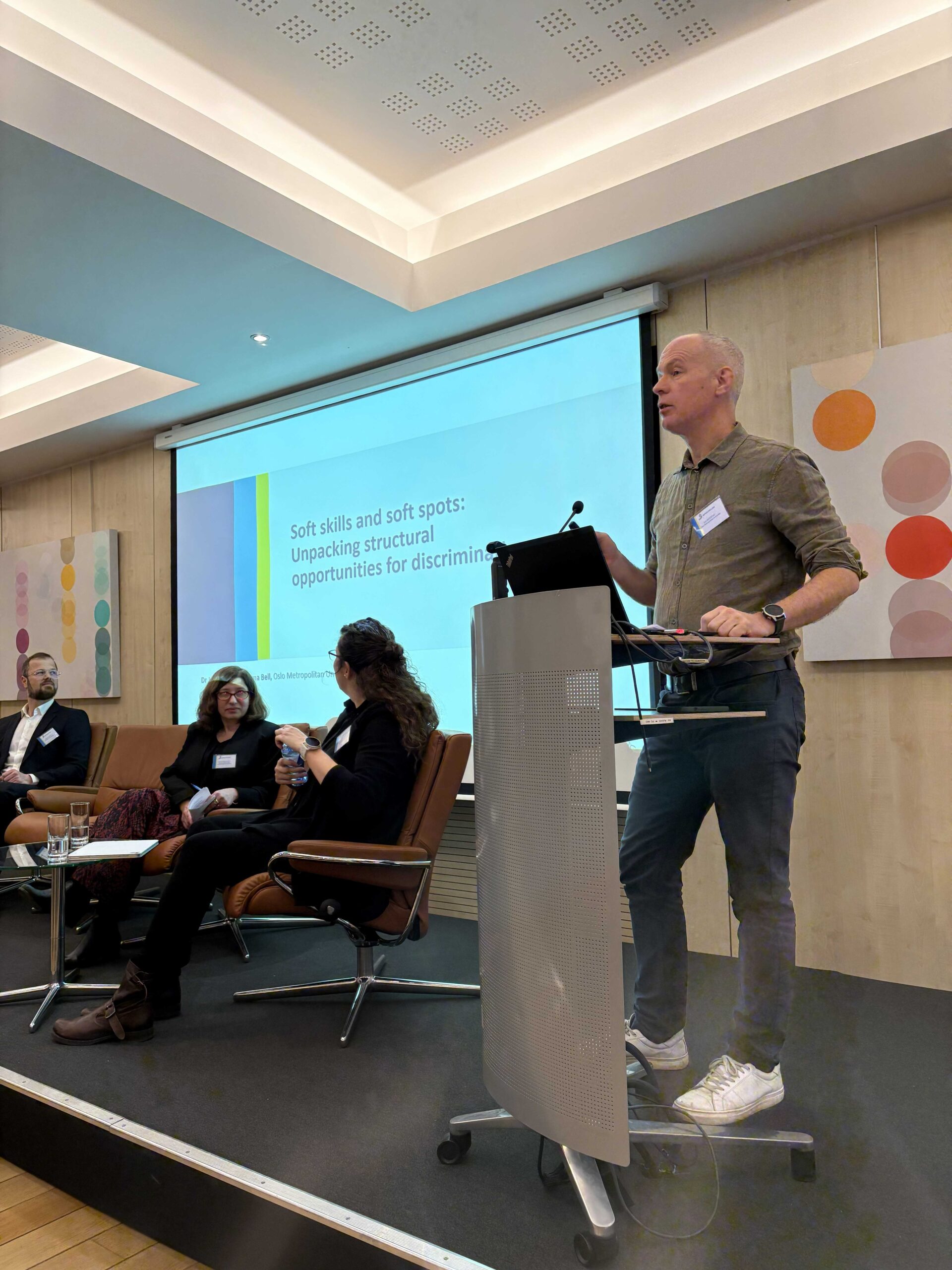
Jon Rogstad (Oslo Metropolitan University) unpacked structural opportunities for discrimination. Employers perceive hard skills as trainable, in contrast to team fit. In this context, hiring the wrong person is especially risky, leading to a preference for homogeneous teams. Therefore, social skills (the ability to fit in) are crucial for vulnerable groups. Their hard skills may not be sufficient when a lack of fit is perceived. Such discrimination is not regulated by law.
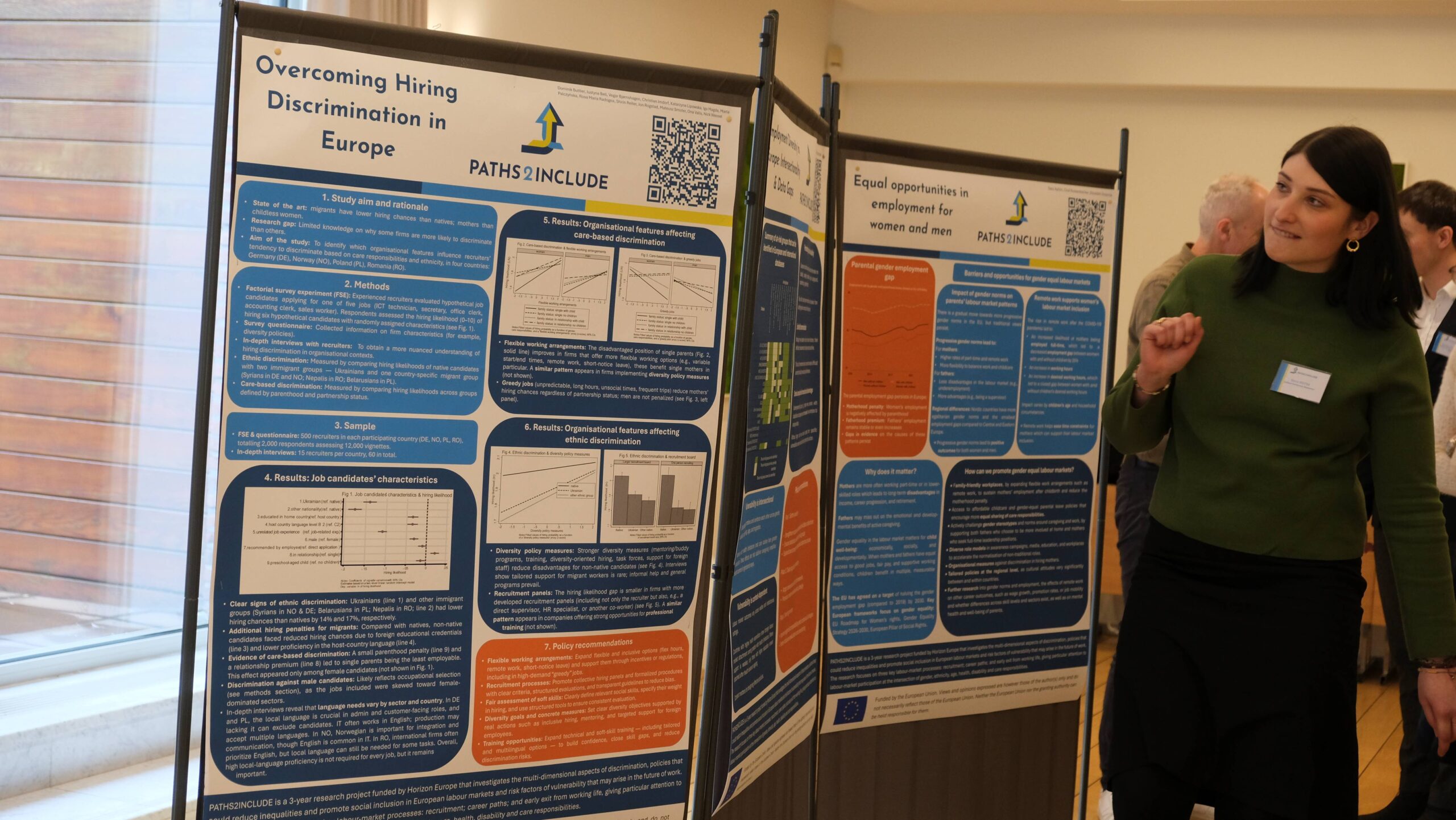
Dominik Buttler (Leibniz Universität Hannover) discussed the role of organizational factors in hiring discrimination against vulnerable groups (due to gender, caregiving responsibilities, and migration background) based on the results of a factorial survey experiment. The organizations which had implemented flexible working arrangements, used collective recruitment panels, conducted fair assessments of soft skills, and had clear evaluation criteria for organizational fit were less likely to discriminate. Just having a diversity policy alone was not sufficient to counteract hiring discrimination.
Iga Magda (IBS) highlighted the importance of recognising that firms, through their policies, shape labour market outcomes. Moreover, in view of shrinking working-age populations, firms that ignore diversity limit their talent pool. A new approach to labour market policies is necessary, which means a shift from supply-side (‘fixing’ workers) to demand-side (adjusting workplaces) strategies. She also noted that current systems penalize caregivers, and specific reforms should be implemented. These may include equal hourly pay, proportional benefits, output-based bonuses, protected parental leave, and phase-back programs.
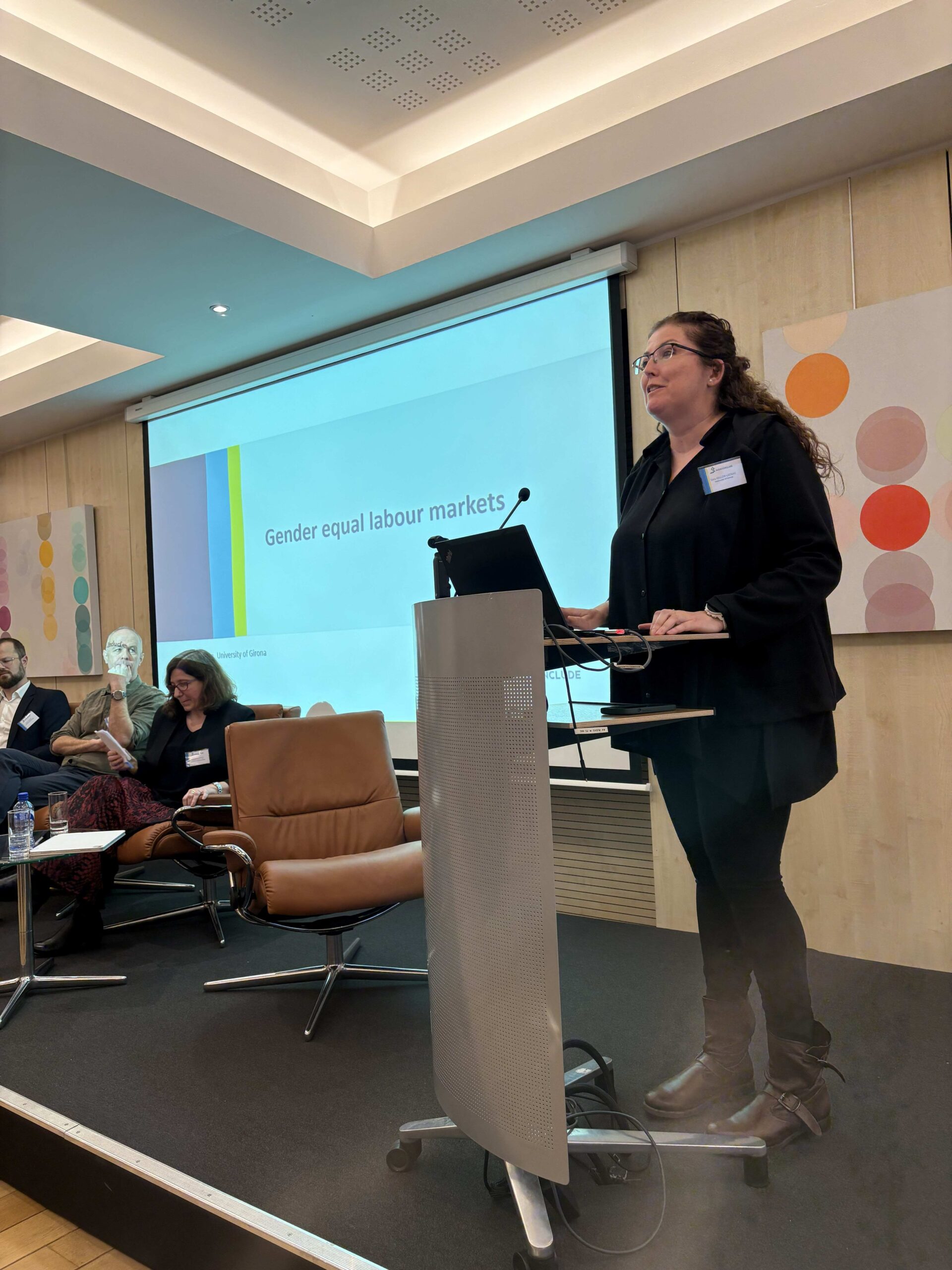
Sara Ayllón (Universitat de Girona) examined the relationship between parenthood, gender gaps in labour-market inclusion, and job characteristics across Europe. Gender norms are not strongly linked to job characteristics among mothers, except for part-time and remote work. The more progressive the norms, the more likely women are to have flexible jobs. This leads to positive labour-market outcomes. An increase of 5 percentage points in the number of employees working from home has narrowed the motherhood gap for full-time employment by 2%. The gap for desired hours worked has also reduced by about 2%.
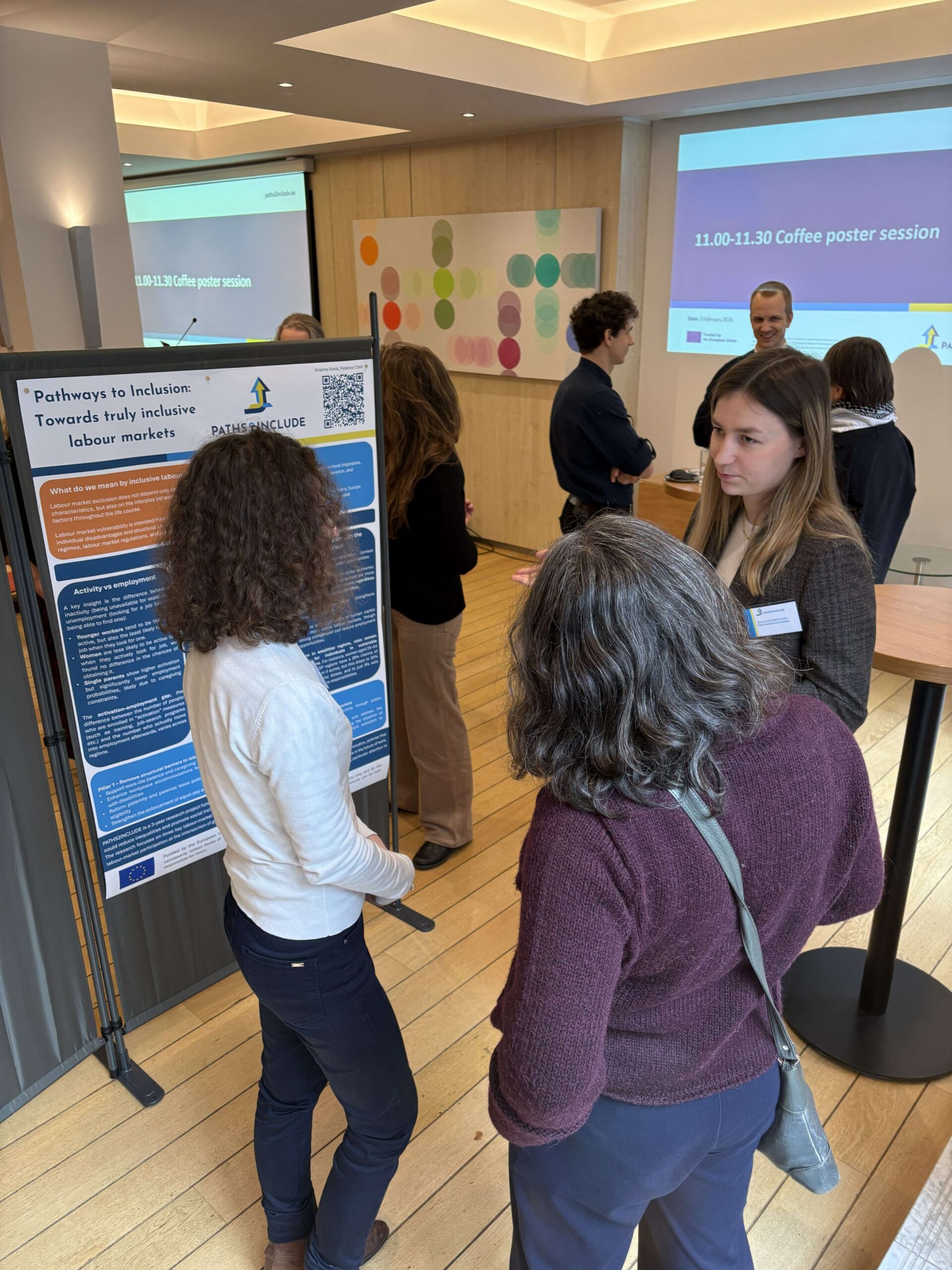
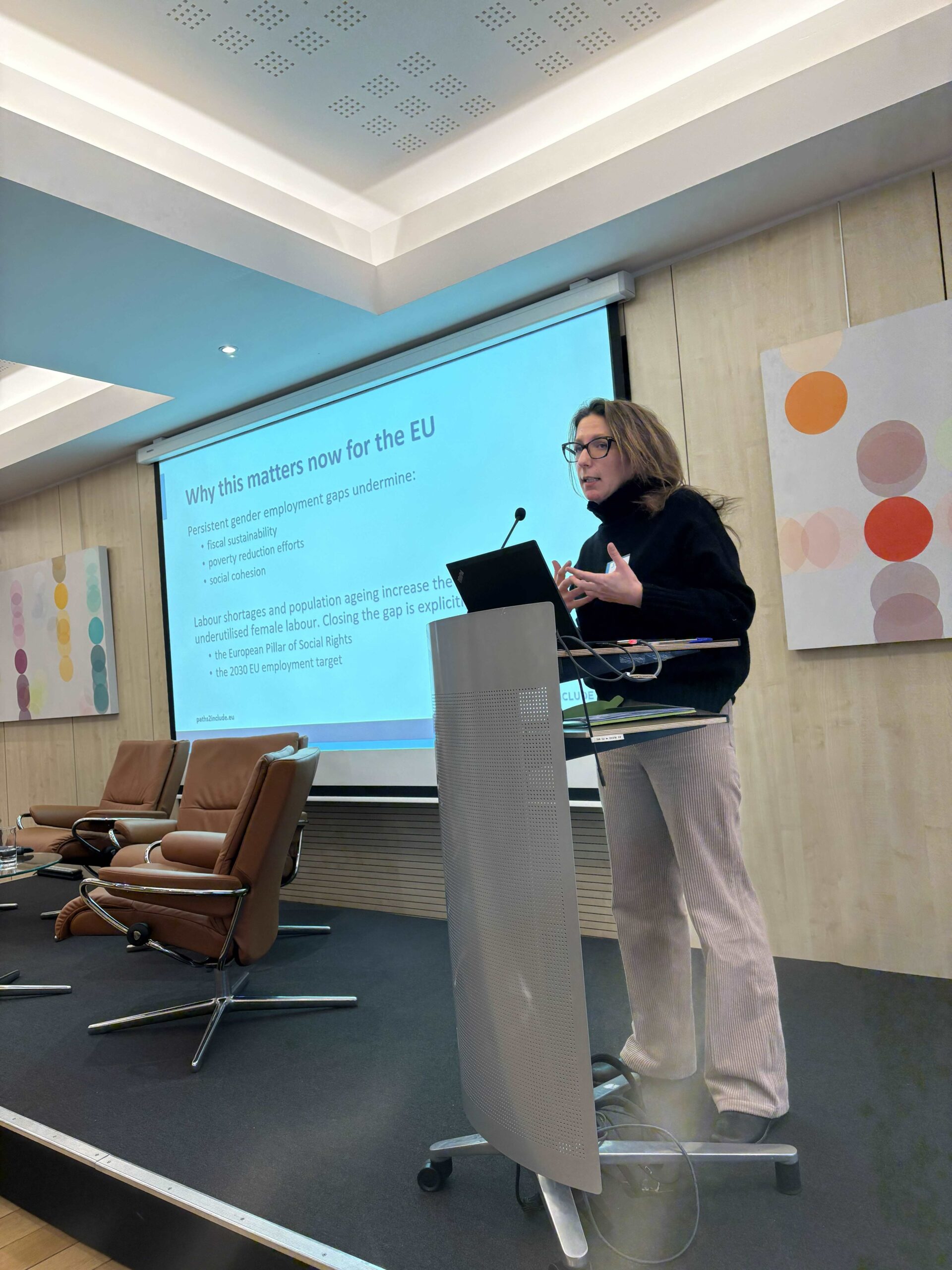
Arianna Vivoli and Federico Ciani (Action Research for Co-Development) presented the benefits of inclusive labour markets. The gender employment gap represents an underutilization of female talent. Persistent gender employment gaps undermine fiscal sustainability, poverty reduction efforts, and social cohesion. The results of a study simulating the fiscal and distributional impacts of reducing or closing the gender employment gap point to positive effects on aggregate welfare. Reducing the gender employment gap generates additional fiscal space, reduces poverty, and has moderate effects on inequality. Even partial closures matter from a macro-fiscal perspective.
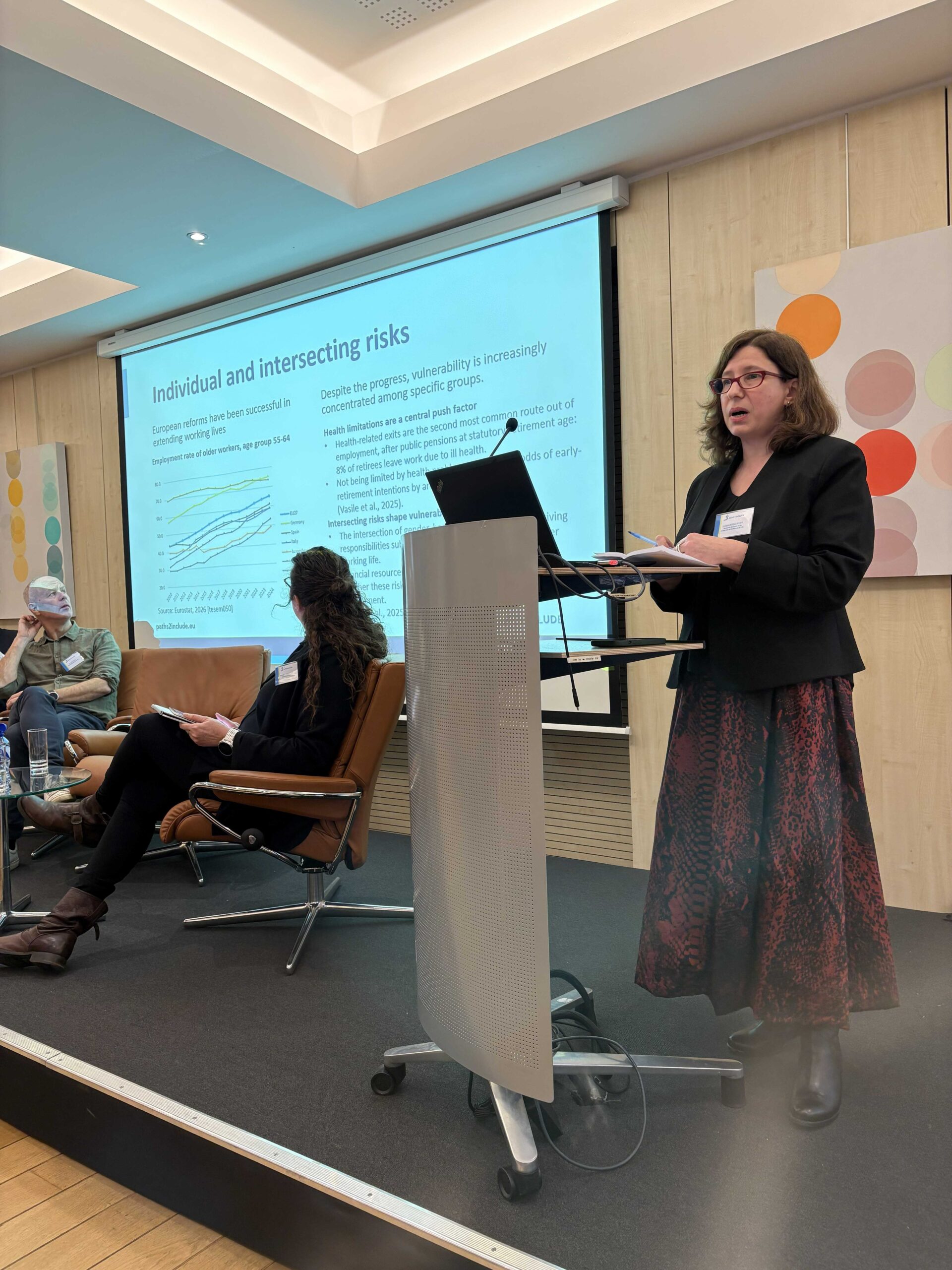
Iuliana Precupetu (Research Institute of the University of Bucharest) looked at the drivers of vulnerability in extended working lives. Despite rising employment rates among workers aged 55-64 across the EU, specific groups remain vulnerable. Health limitations are a key risk of early retirement, further exacerbated by gender and caregiving responsibilities. On the organizational side, treating age diversity as a resource (mentoring, preserving specialised expertise) contributes to older employee retention.
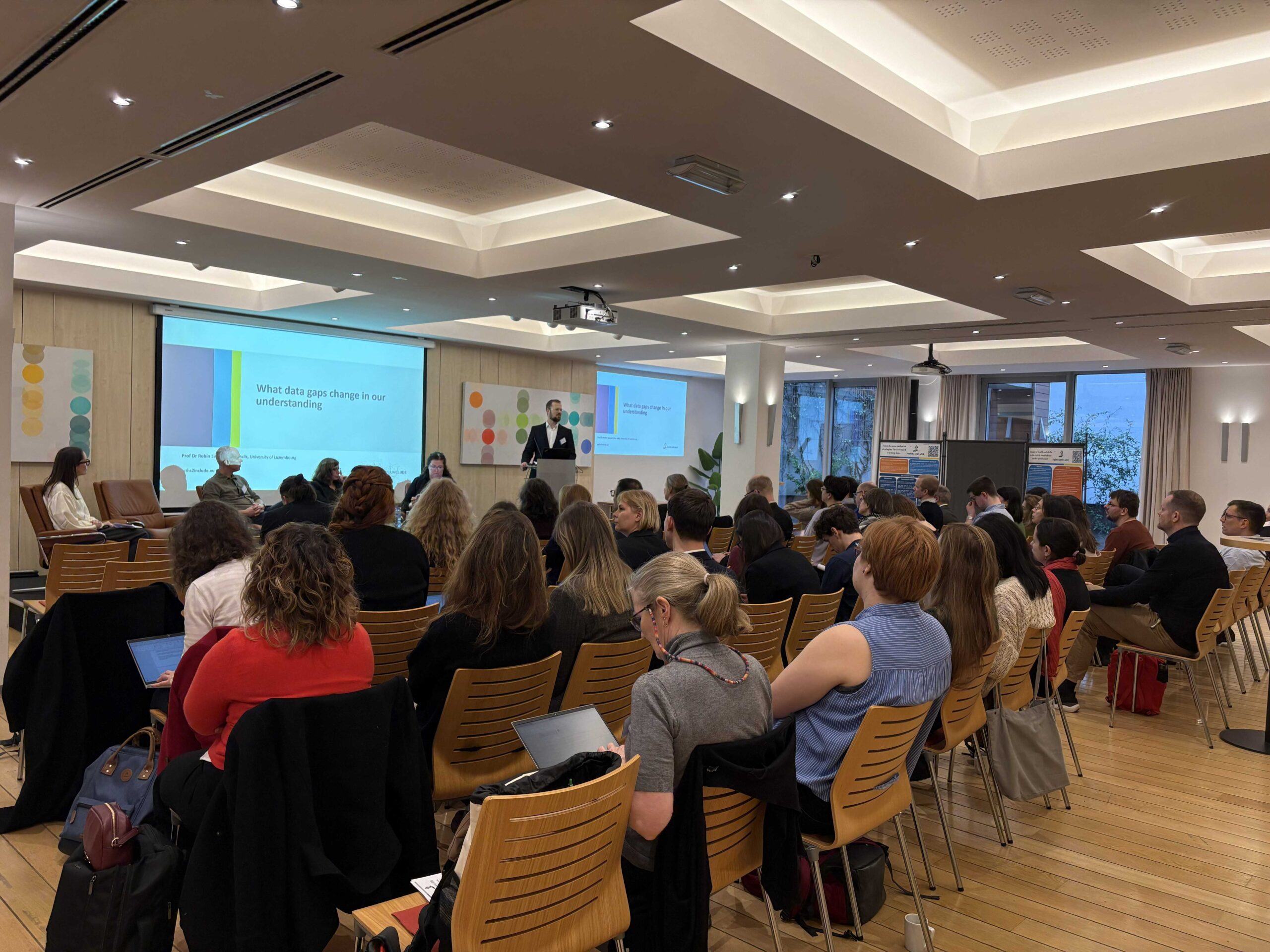
Robin Samuel and Ona Valls (University of Luxembourg) noted that labour market inclusion depends on who can be identified in the data, where exclusion occurs, and how outcomes evolve over time. Intersectional vulnerabilities are particularly undermeasured, with insufficient sample sizes and insufficient statistical power for analyses. This leads to underestimation of exclusion, limited ability to evaluate policies, and over-reliance on individual-level explanations.
The results were presented to European and national stakeholders in Brussels. Among them was Alicja Wejdner-Cichy, who was invited by IBS. Alicja works at the Polish Confederation Lewiatan, specializing in gender equality, equal pay, and women’s leadership. contribute to the development and monitoring of public policies related to DEI. Moreover, Alicja is a PhD candidate at SGH Warsaw School of Economics, a Young Scholars Committee Member of the International Association for Feminist Economics (IAFFE), and an Ambassador for the EQUAL-SALARY Foundation. In her own words:
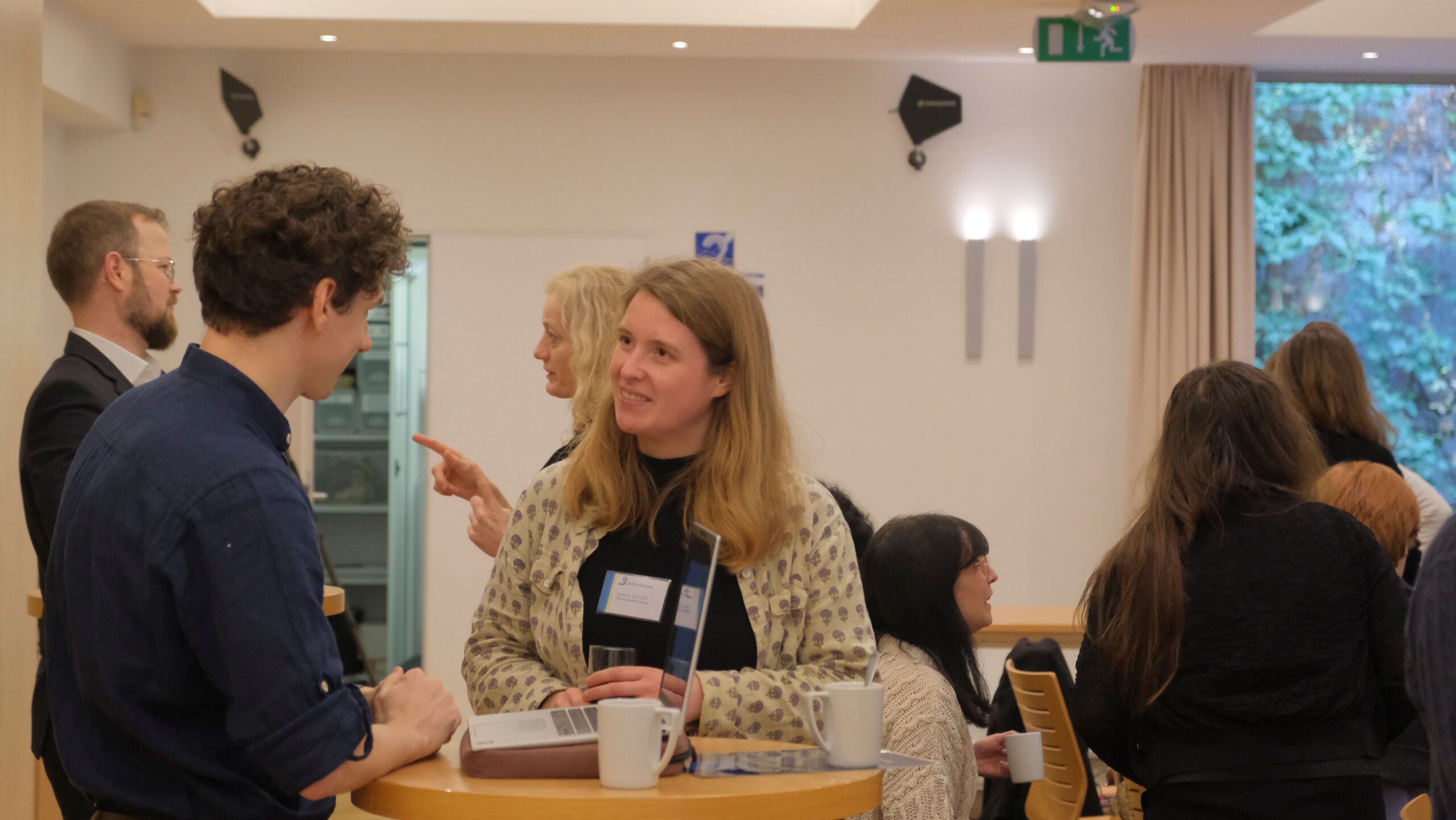
“The conference was very valuable to me — particularly the threads on gender equality and on which DEI policies can actually work in organizations (these conclusions will also be useful in my work at Konfederacja Lewiatan). A valuable element was also meeting people from this field, including a conversation with a researcher working on a similar topic (equal pay policies), with whom we could exchange experiences and insights.”