Institute for Structural Research on the challenges of using vacant buildings at the Housing Forum 2025
November 27 2025

The conference in Warsaw brought together a wide range of people interested in housing policy – from representatives of national and local government, through research institutions, to NGOs and charitable organisations.
The Institute for Structural Research was represented by Joanna Mazurkiewicz, who presented the results of analytical work on the possibilities of using municipal administrative data to support local housing policy and to plan the adaptation of vacant buildings. The presentation stressed that correctly identifying vacant properties requires combining data from different registers and verifying them, as well as creating tools that would enable local governments to use this dispersed information.
Joanna also moderated the panel discussion “Building better lives. Giving vacant buildings a new life: housing solutions for a just and climate-resilient future”. The panellists were: Dr habil. Agata Twardoch (Gliwice City Hall, Silesian University of Technology), Magdalena Górak (Bytom City Hall), Paweł Karpiński (Subsidy Fund Office at Bank Gospodarstwa Krajowego), Henryk Kwapisz (Polish Gypsum Association), Aneta Żochowska (Lena Grochowska Foundation) and Katarzyna Ugryn (CAN Europe).
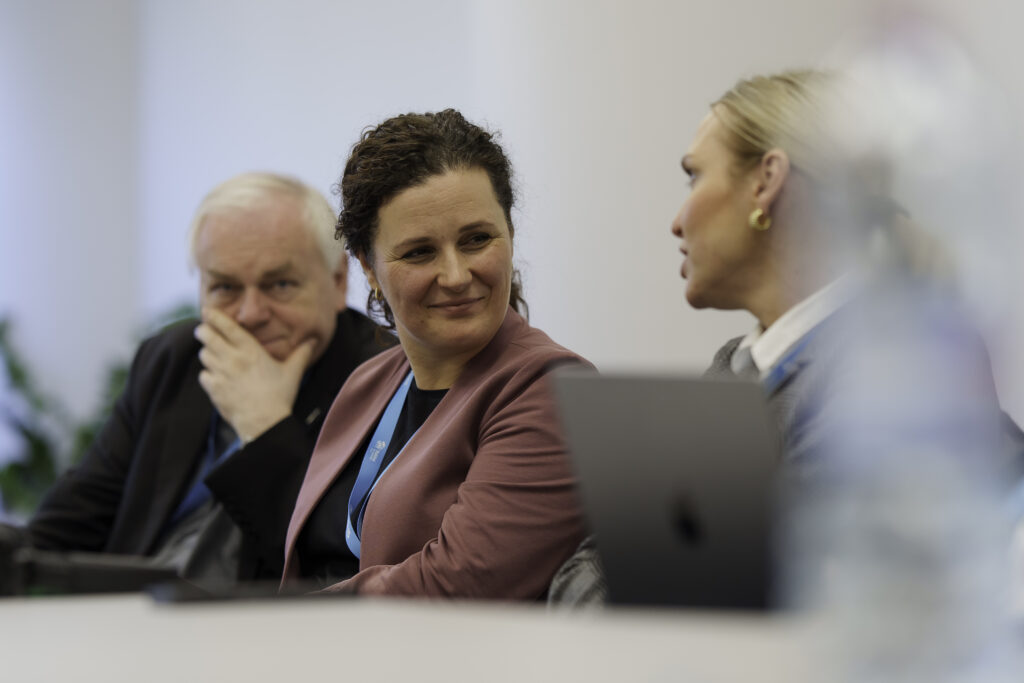
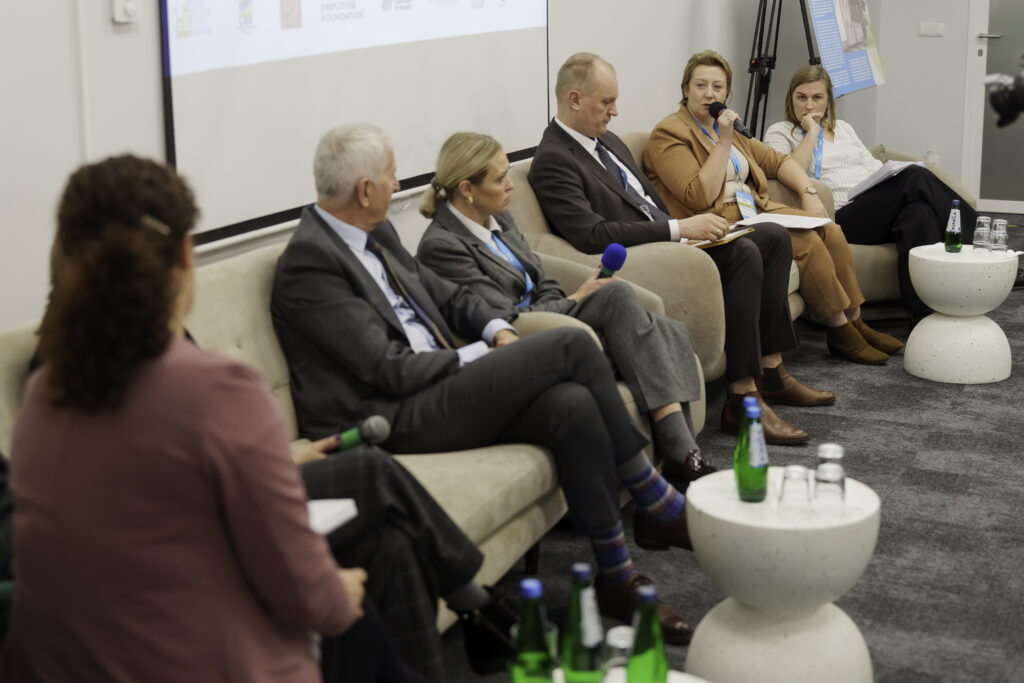
During the session, participants discussed what currently makes it difficult to renovate abandoned buildings and adapt them for housing purposes. Agata Twardoch pointed out that the logic of capitalism means that investing in the renovation of vacant buildings is often more difficult and less profitable than constructing new ones. Magdalena Górak stressed the need to change the rules for state support of such projects – in particular by opening a financing path for less affluent municipalities and shortening administrative procedures.
In response, Paweł Karpiński highlighted the role of BGK in supporting the renovation of vacant buildings and noted that the Subsidy Fund is currently the only instrument on the market that uses public funds to finance bringing such properties back into use. Henryk Kwapisz pointed to the lack of a coherent housing policy, which should include, among other things, a clear definition of vacant properties and rules for their renovation.
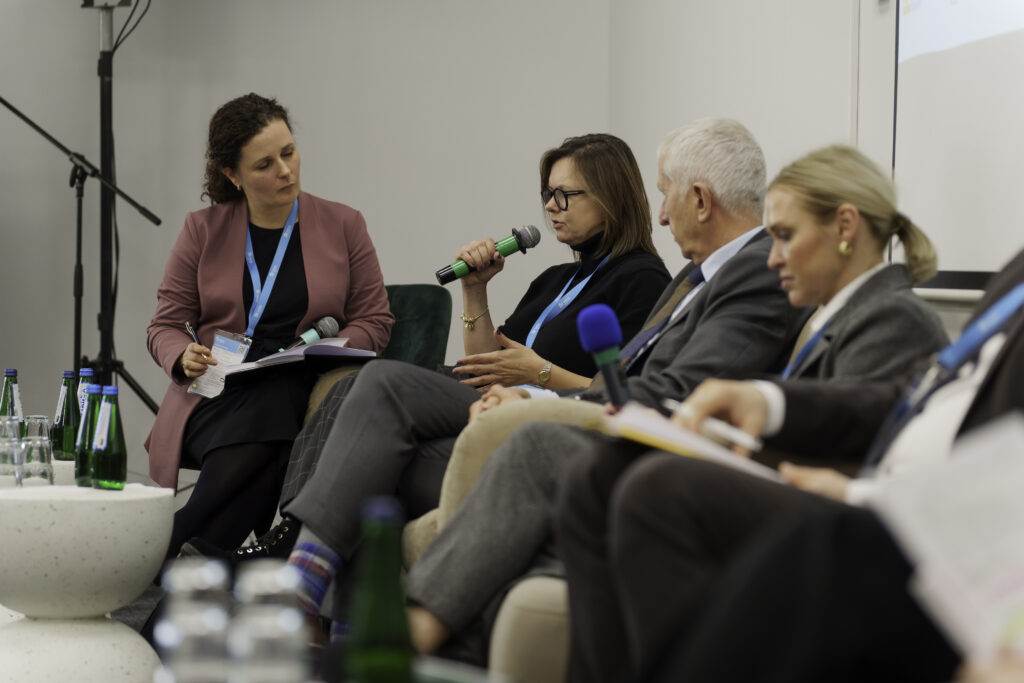
Aneta Żochowska emphasised that access to financial resources alone will not solve all the problems hindering the renovation of vacant buildings – good cooperation between officials at different levels of administration is equally important. Katarzyna Ugryn added that the renovation process may be further strengthened by EU regulations, including the European Affordable Housing Plan, expected in mid-December, one of whose key objectives is to increase the availability of affordable housing.